A Martial Arts Mindset for your Shooting Stance
Who needs a proper stance? Pretty much anyone who wants to win a fight, weapons or not!
Stance is one of those things that “experts” all over have an opinion on. Probably the most common are those ignoring them under the premise “you will not have one in a gunfight”.
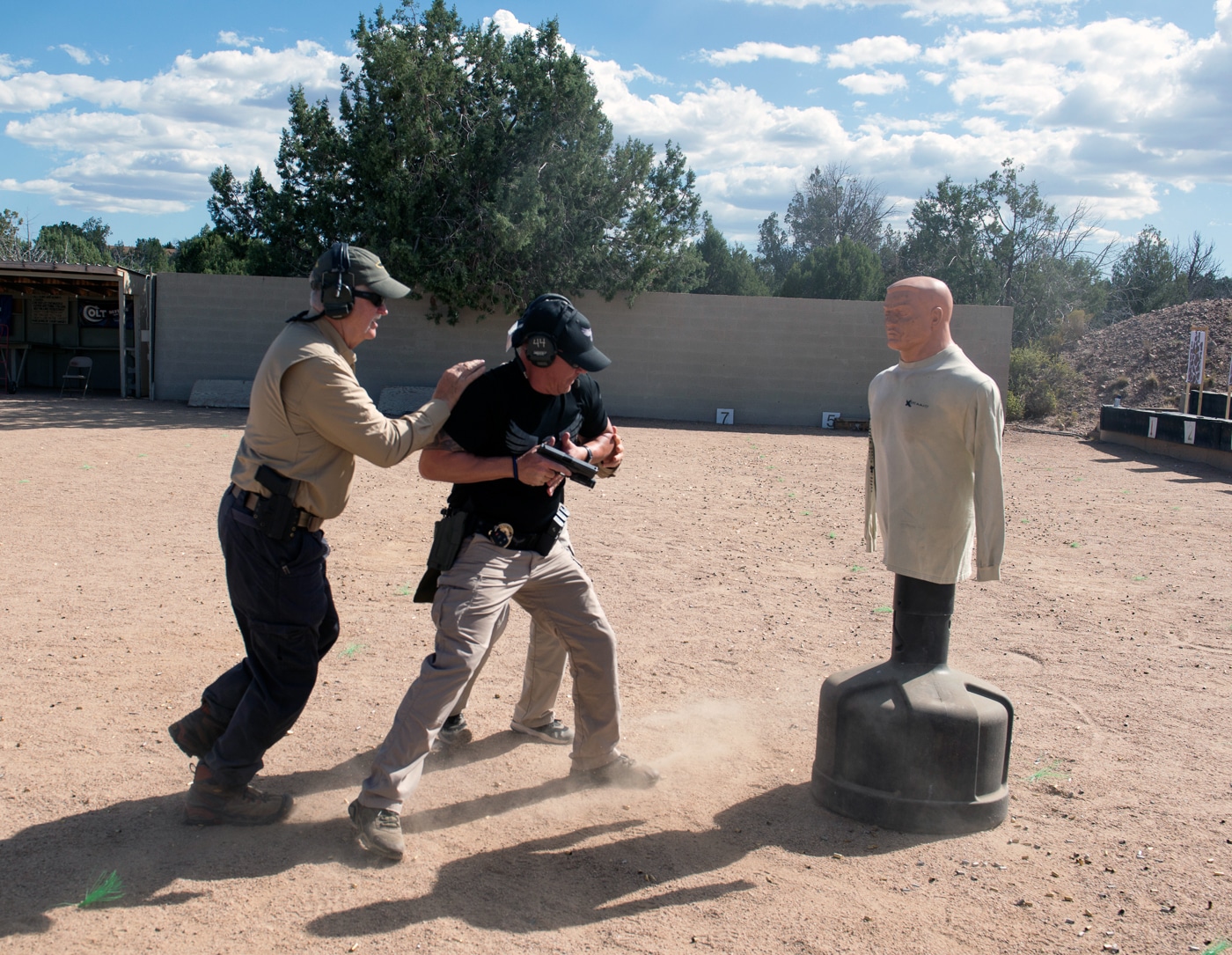
Nothing could be further from the truth. Having been fighting with and without weapons of all kinds for over 50 years, I know a balanced, stable and mobile stance is critical. Will it be perfect? Of course not. But, the ability to remain stable and balanced no matter the method of fighting requires learning, and starting with the proper shooting stance is critical.
From my first karate lesson in 1972, my current workouts in karate and kendo, dry fire this morning and teaching indoor tactics at Gunsite Academy last week, I know the best stance you can acquire to support your application is critical.
Background
My “fighting” stance has been developed over decades of training in various martial arts, beginning in earnest when I was fighting in the 1970s and 1980s — up until this day. It includes everything from “point” fighting to full contact matches of various stripes.
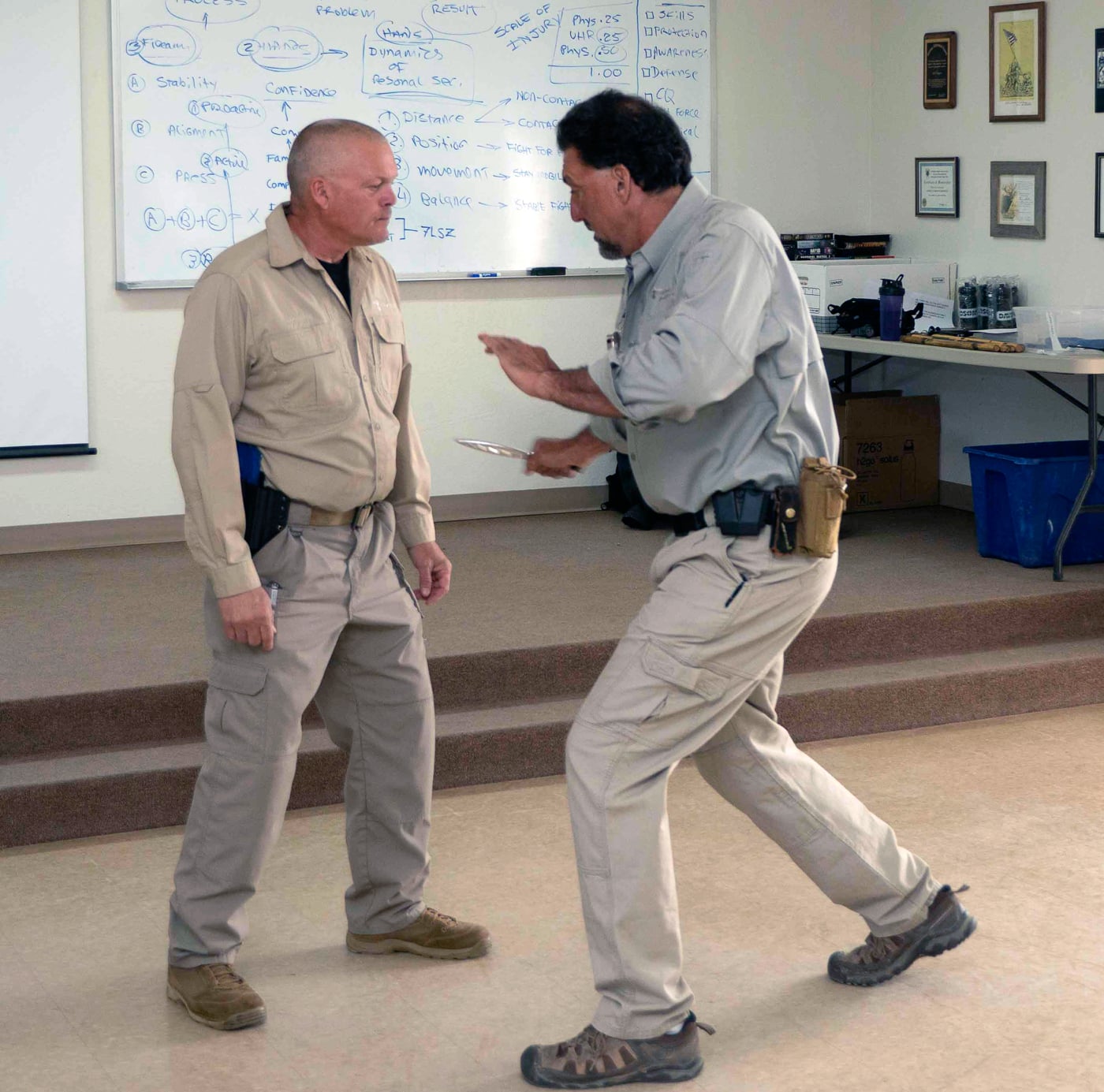
Coupled with 30 years of applying my knowledge as an officer on the street, it is used to this day for everything from open hand, edged weapon, swords and firearms of all kinds. The only differences are slight alterations to hand position based on the weapon used, or lack thereof and 50 years of wear and tear.
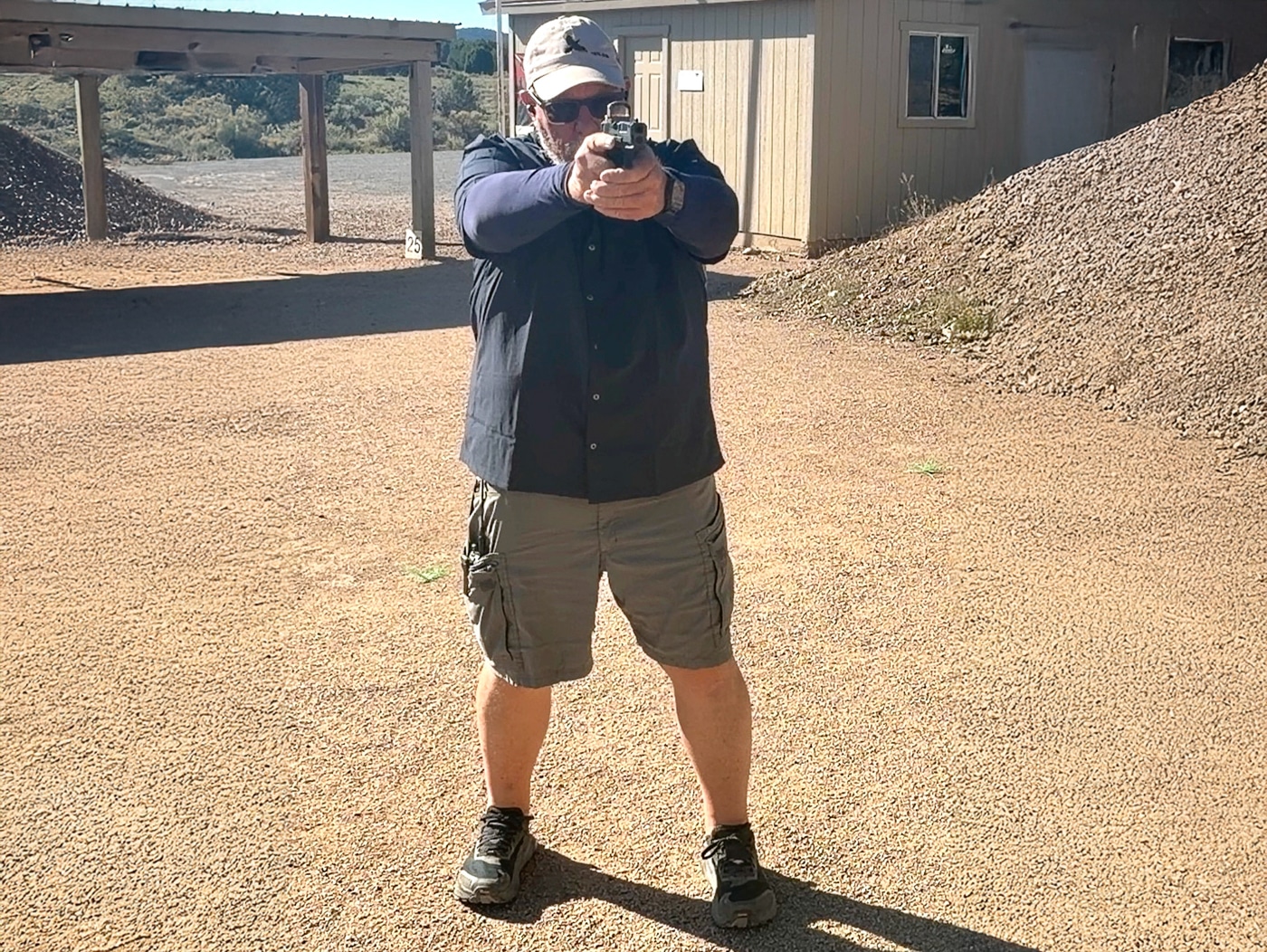
Does it change when applied? Sure, but it starts and remains balanced, stable, and mobile. Real fights involve movement and that needs to remain important. It’s not about abandoning stance, but rather learning to seek the best balance and stability you can given the circumstances.
That requires training and practice, and it’s a perishable skill. Just as importantly, it requires modification with experience and age. What worked at a young age may not after damage, injury, miles in the saddle or even a few titanium parts. Fighting 40 years ago, I was stable standing one legged on a rock. Today, remaining stable on a rocky trail is a constant effort!
How Do You Get Started?
There is no need to exaggerate much of anything in a fighting stance. Over the years, I have seen everything ranging from range theatrics to downright contortionism justifying a “solid stance”.
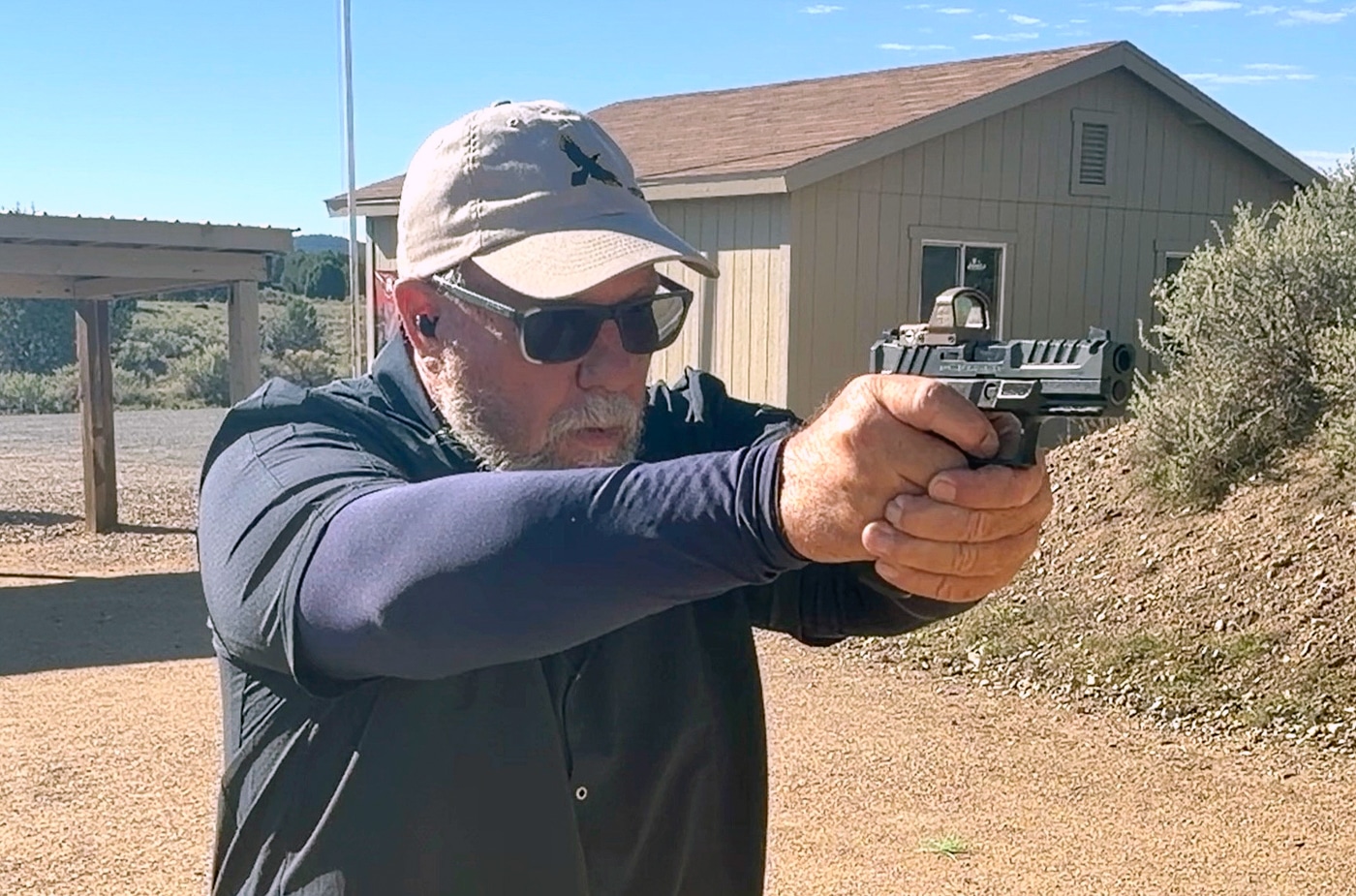
Shotguns and big-bore rifles certainly require a bit more stability, but unless you are shooting uber-recoiling systems there is just no need to jump off the rails. Remember, this is all about a balance between stability, mobility, and the ability to control recoil. You are looking for a solid base to support the remainder of the shooting process.
Start with the basics followed by movement, shooting behind cover and any other realistic circumstance you may encounter. The better you develop your stance during training, the better you shoot when the perfect stance is not there. Generally, someone who shoots well from a stationary stance that is balanced, stable, and mobile tends to transition to movement while shooting much better. The opposite is seldom true.
Stabilizing the human frame for shooting starts with your feet at approximately one shoulder with and a half apart, or just outside the width of your hips. One foot, generally your strong side, is at least one half step to the rear. The toe of the foot to the rear should line up with the instep of your forward foot.
For most, this provides a balanced position supporting your hips, shoulders and upper body. Move your feet farther apart and or your rear foot farther back for more stability. Toes should be pointing forward or as close as your physiology will allow. Avoid pointing your rear food to the side as it completely disconnects your lower body from your upper frame. You are gathering stability from the ground up to your hips and shoulders; toes pointing forward facilitates that.

Live The Armory Life. The latest content straight to your inbox plus an automatic entry to each of our monthly gun giveaways!
I have read and agree to the terms & conditions.Do not “lean” forward; shift your hips slightly forward keeping your spine in line with your hips — and no hunching over. This allows you to absorb force, whether it is recoil or even a bump from someone or something.
Once you think you are there try, moving while maintaining the same stance, balance and stability. If you have a partner, have them push you from every direction to see if you maintain your balance. Another fantastic training tool if you are alone is video. There’s nothing like seeing yourself in action to motivate change.
Movement
Movement is nothing more than a transition from one stable and balanced position to another. Unlike many martial arts that are constrained by tradition and movement between exaggerated stances, shooting is just about moving smoothly and quickly while maintaining balance and stability.
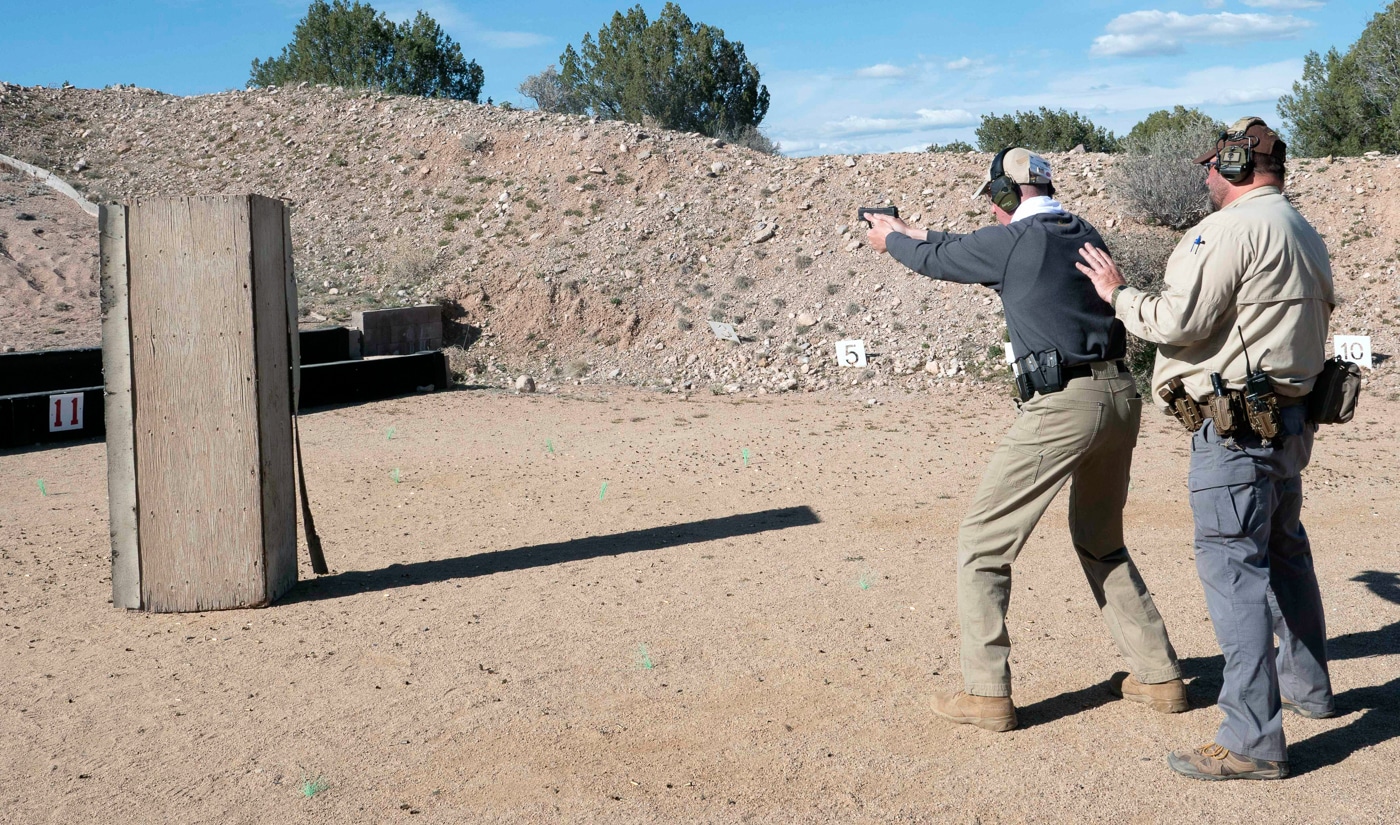
If you are shooting a firearm, the less you disturb your upper body the better. Exactly what that may be is largely determined by your physiology. Lots of things have an effect; your weight, height, strength and overall balance can all come into play. Prior injury, wear and tear in general, age, and even replacement parts will make this very personal.
Start with the basics and develop what works best for you. That being said, standing with your feet together, side by side and leaning back does nothing to support your frame and compounds as you move. Do you need to perform the latest dance moves? No, but the laws of physics apply whether you like it or not. Controlling your firearm is not about being comfy; it’s about being stable.
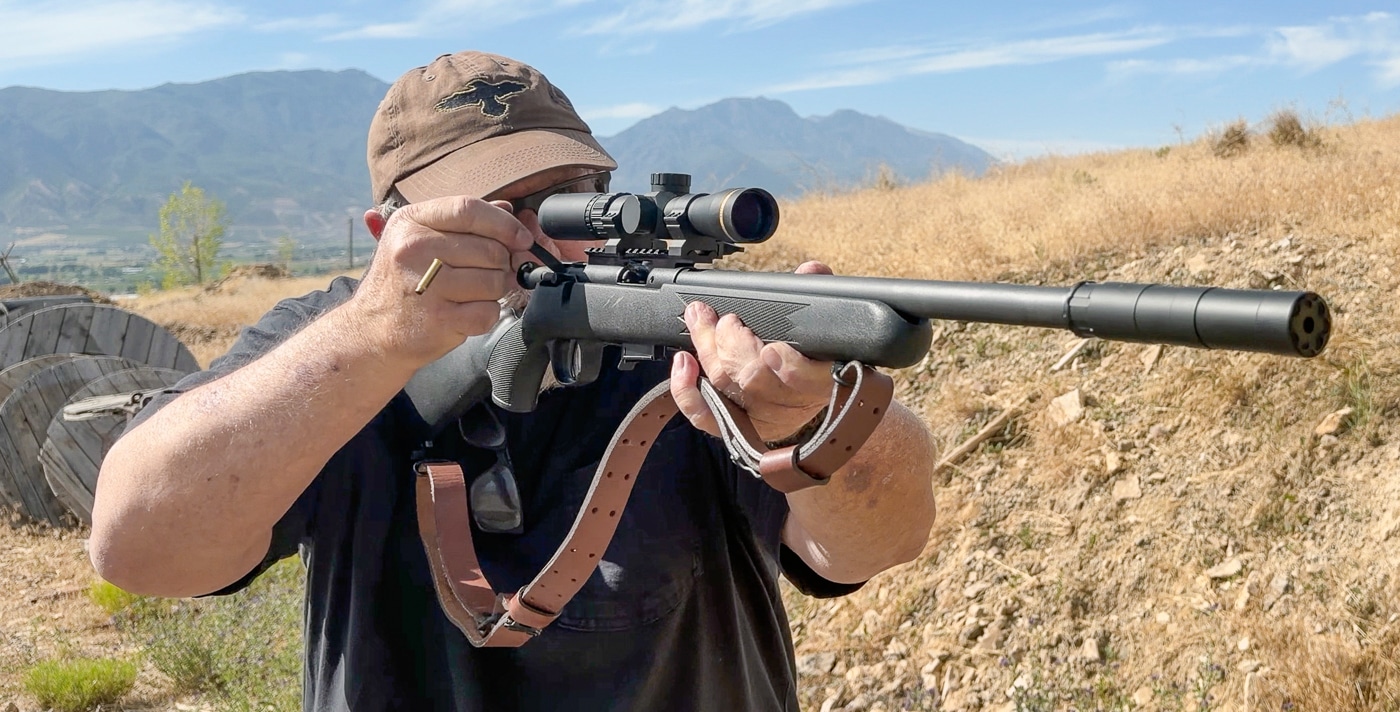
Generally the best way to move is to simply walk. Barring disease or other physical limitations, most of us are pretty good at it. It requires a bend at the knees, feet generally at shoulder width and with good balance, and then simply put one foot in front of the other and repeat as necessary. Encounter something that disturbs your balance and you generally bend your knees a tad more or drop your center of gravity.
There is just no need to drop into some super deep stance. If your stance is stable to begin with, just maintain that stability as you walk and keep it simple. Most of us walk heel to toe to begin with, so no need to exaggerate that. The smoother you move, the less you will disturb the sights and the more likely you are to get hits on target — the entire point of the exercise.
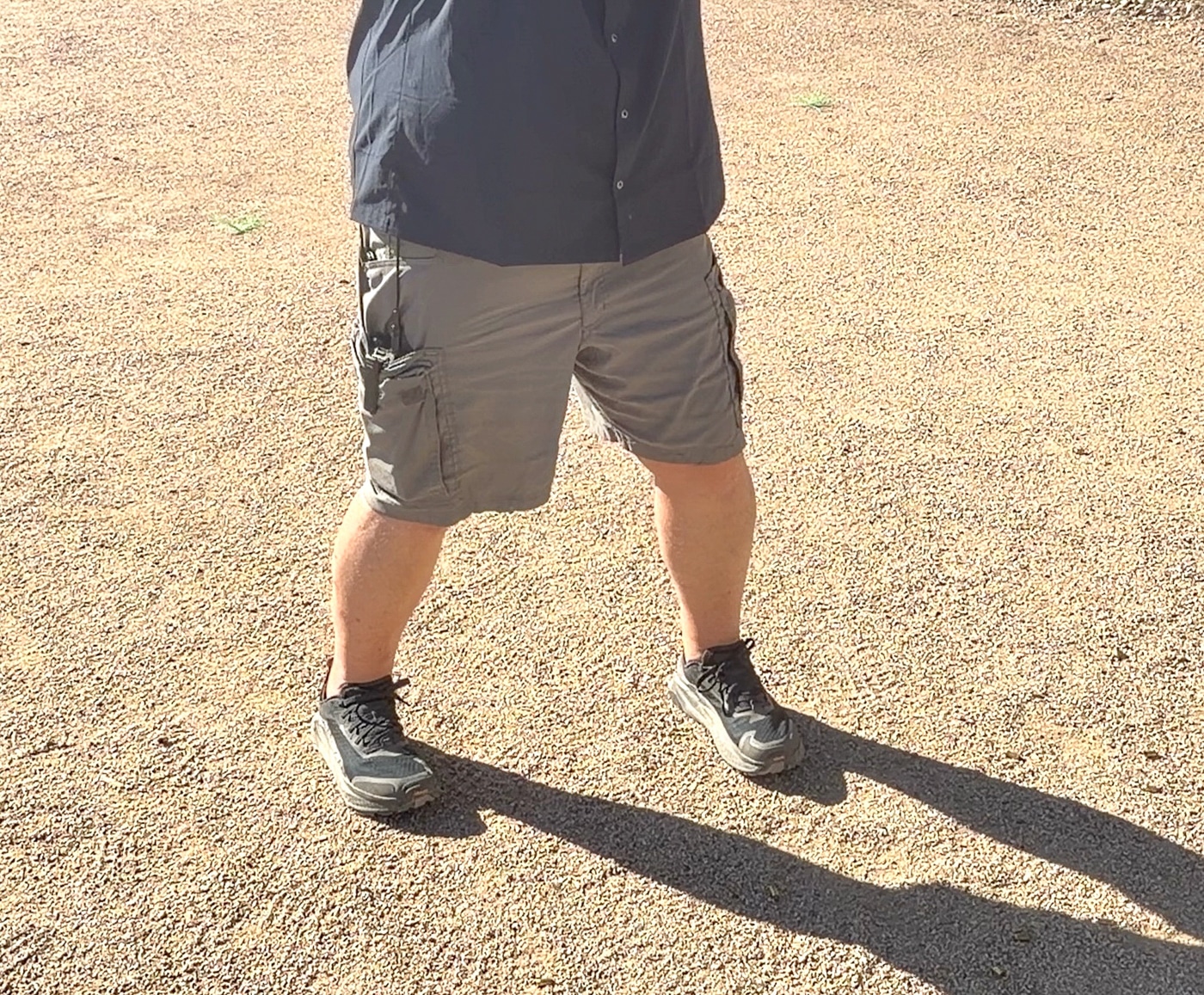
Moving forward or to the rear is pretty simple. Walk, heel to toe moving forward, and the opposite moving to the rear. Movement to the side is just as simple. If you are taking a step or two, move one foot then the other while maintaining that same stable stance. Don’t get your axle wrapped around which foot goes first, just make certain your feet maintain that shoulder width as you move and maintain stability.
For me, that’s easier to do if the foot closest to the direction you are moving goes first, but that’s not always possible. You can do the same thing moving to the front or rear if it’s only a step or two. Don’t bring your feet together or cross them, essentially eliminating balance and stability. For longer distances, pivot and walk — endless skipping to the side is ridiculous, unbalanced and does nothing to insure you are going to get hits.
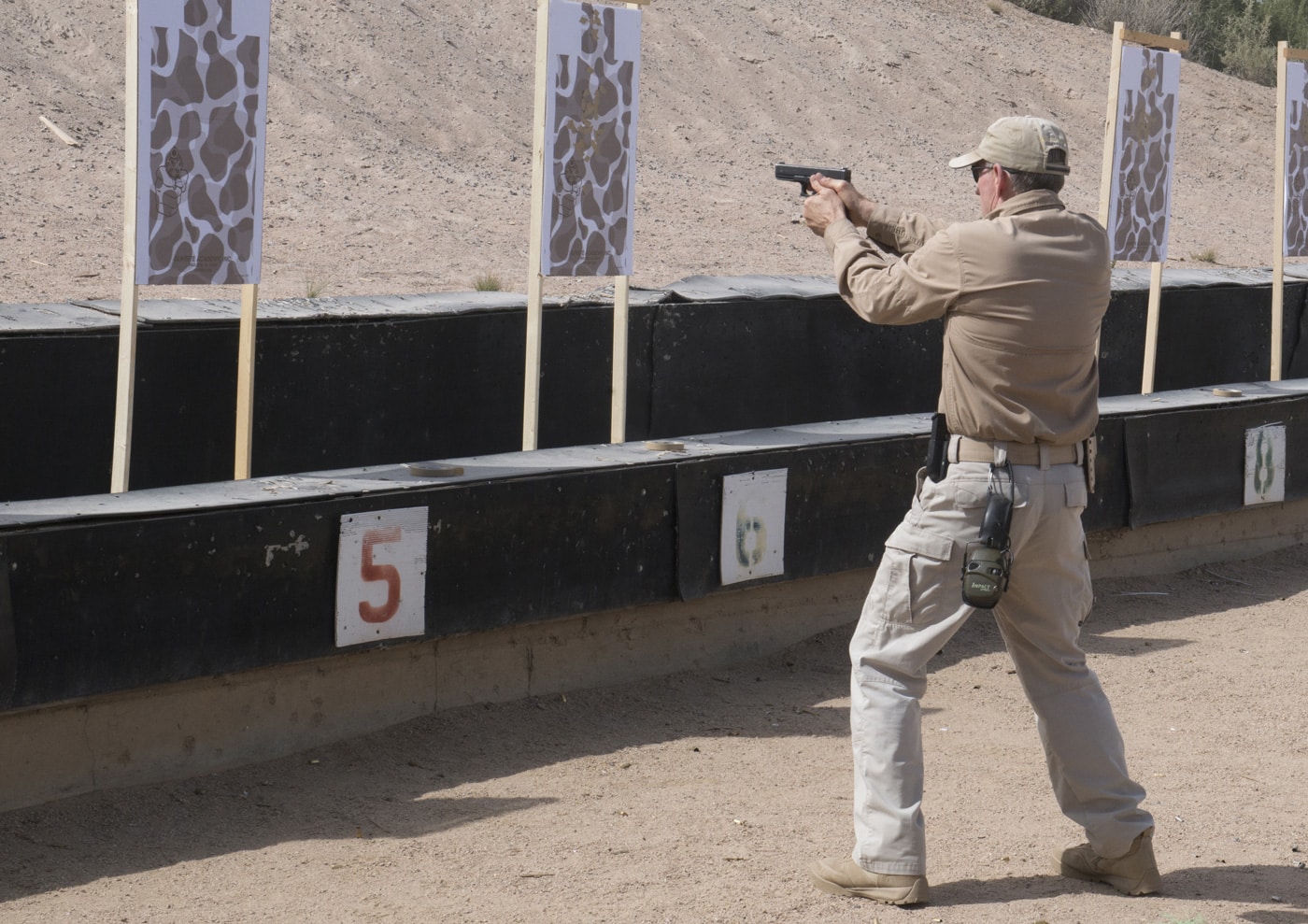
Every expert has some way to pivot, but honestly you are just turning in that stance, which is yet another reason to have a good one.
Final Thoughts
While there is nothing wrong with making certain your training conforms to the real world, too often it’s an excuse to ignore the basics or practice the hard things. Unfortunately, many instructors use excuses to avoid things they either cannot perform or have no idea how to teach.
Anytime I hear “it will get you killed in a gunfight” or “you will never do that in a fight,” it immediately spurs skepticism. Anyone that needs to fall on that mindset probably has never been in a real fight in their lives, gun or otherwise.
Shooting is an acquired skill requiring thought, practice and maintenance. To paraphrase a quote by Clint Smith, “If shooting a pistol was instinctual you would have one in your hand when you left the womb”. Just like any other acquired skill, you need to start with the basics and move forward. A proper stance that supports your shooting while remaining balanced, stable, and mobile is critical and remains so as you progress.
The bottom line is simple: When shooting or fighting with a firearm, you should always seek the most stable stance you can given the circumstances to insure you are getting hits. Will it be perfect? Nope. But if you have never known stability you will never find it, and that does nothing for improving your chance to win a fight.
Editor’s Note: Please be sure to check out The Armory Life Forum, where you can comment about our daily articles, as well as just talk guns and gear. Click the “Go To Forum Thread” link below to jump in and discuss this article and much more!
The post A Martial Arts Mindset for your Shooting Stance appeared first on The Armory Life.