Deer hunting seasons are opening across North America right now. In some places, it’s gun season already, and in other jurisdictions, archery hunters are getting a kick at the can first. Either way, a lot of outdoorsmen are thinking about deer guns and maybe upgrading. I think that, on today’s market, shooters have the best selection of deer rifles that’s ever been available, and laws are changing all the time to expand rifle hunting seasons. But is a new rifle the best tool for the job? Maybe not; depending on where and how you hunt, the best deer rifle for you might actually be a shotgun.
Fudd Friday: Sometimes, The Best Deer Rifle Is A Shotgun
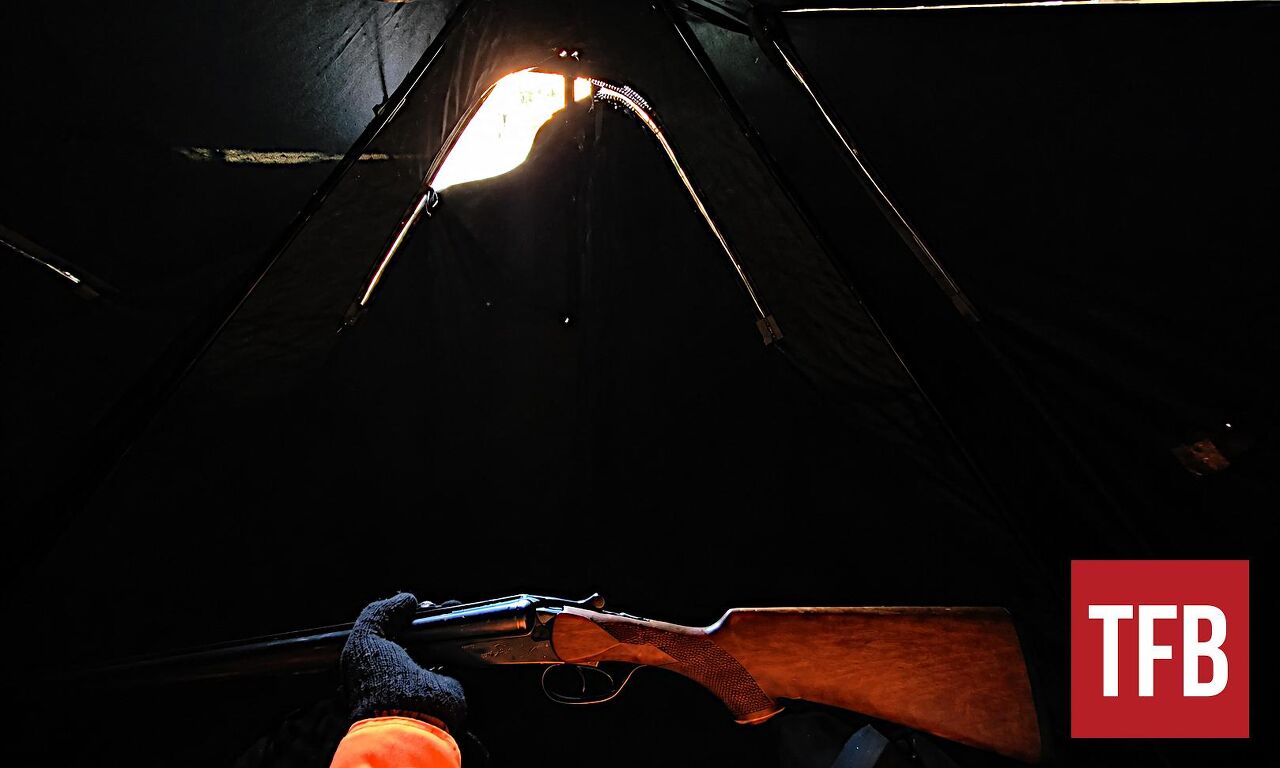
Inside a hunting blind with my Baikal side-by-side. This has proved to be a great deer gun over the years, with 24-inch barrels making it easy to maneuver inside the tight confines of the pop-up. [Zac K.]
Deer-hunting shotguns @TFB:
In some places, the law requires you to use a shotgun
This is the top reason to use a shotgun—because the local game laws require you to do so. This is less common these days thanks to the increasing prevalence of straight-wall cartridge laws, which allow hunters to use rifles chambered in straight-wall cartridges (like 360 Buckhammer, .44 Magnum or .45-70) but not rifles chambered in bottleneck cartridges (.30-30, .308, .30-06, .270, etc.). Some of these straight-wall jurisdictions previously restricted hunters to using shotguns; the idea is that a shotgun slug that misses the mark is less likely to accidentally kill someone the next county over. That same logic is used to justify straight-wall cartridges.
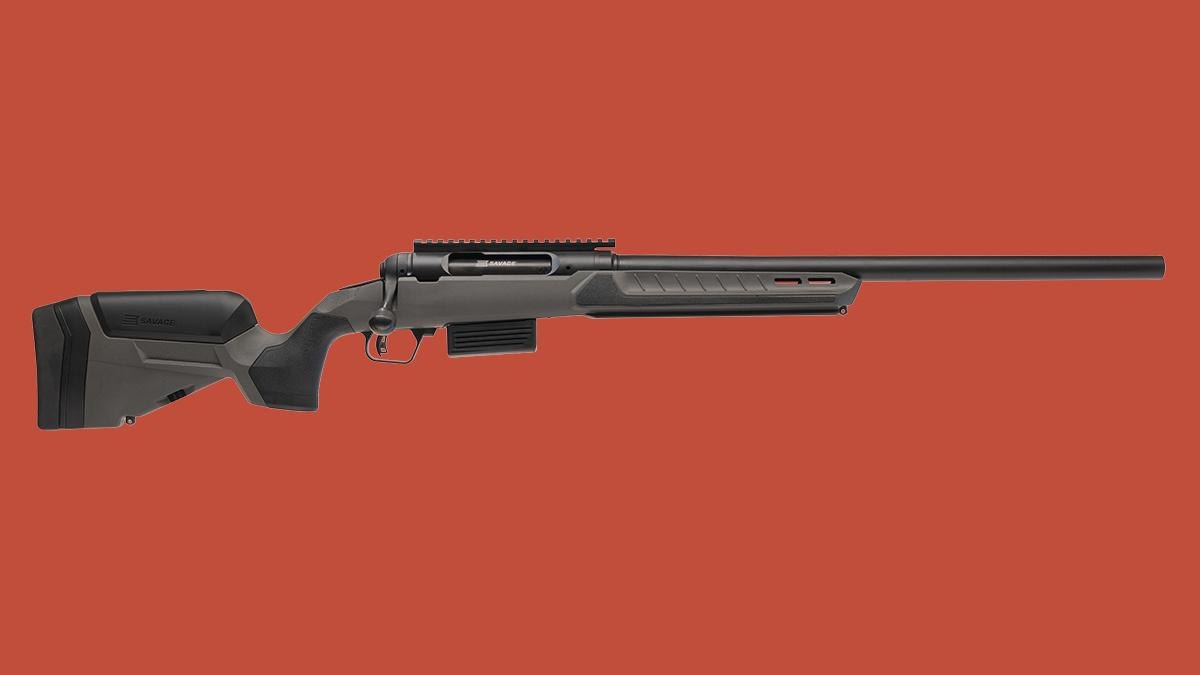
The Savage 212 and 220, recently updated, are probably the gold standard for slug guns. These feature many of the same accurizing tricks as their Model 110 series. [Savage Arms]
If you can’t legally use a rifle on deer where you hunt, you’ll do just fine with a shotgun. A modern slug gun, with rifling in the barrel, can reach out to 100 yards with no problem, and most deer are killed inside that distance. The better slug guns can accurately target a deer’s vitals at 200 yards, once you’ve got your optics and loads dialed in (sabot slugs are the ticket here, not Foster slugs). Don’t weep and moan if you’re restricted to shooting deer with shotguns thanks to the law. Get out there, and fill your tag.
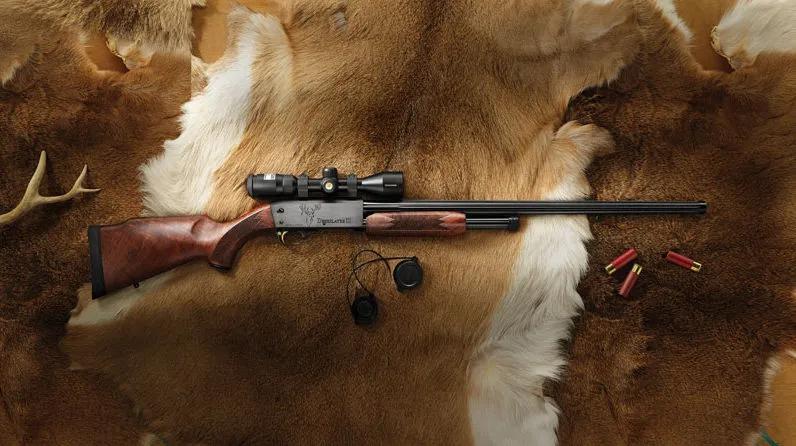
The Ithaca 37 Deerslayer III is the latest version of their classic pump-action whitetail gun. [Ithaca Gun Company]
Up close, a shotgun is deadly
Rifled-barrel slug guns will flatten a deer at long range, but if you’re at 50 yards or less, you can achieve surprising accuracy with a standard bird-hunting shotgun loaded with Foster slugs. With my old Winchester 1300, if I put the shotgun’s bead on the target within that distance, it would put a slug exactly where I wanted. My old Baikal MP153 was the same; and neither of those shotguns had rifle sights. Add rifle sights and some practice time, and your smoothbore shotgun can handle shots to 75 yards at least (however, by the time you pay for the sights and the ammo, maybe you should think about buying a rifle).
While I never shot at a deer with this setup, my friends and I hunted black bears with long-barreled 12-gauge duck guns for years, and no bear that we hit with a slug ever needed a second shot. A .72-caliber, 1-ounce Foster slug makes a big hole going in and an even bigger hole going out. Slugs get the job done, and if you talk to your dad or grand-dad or other old-timers, many of whom started their deer hunting careers with shotguns and slugs, they’ll tell you from their own experience.
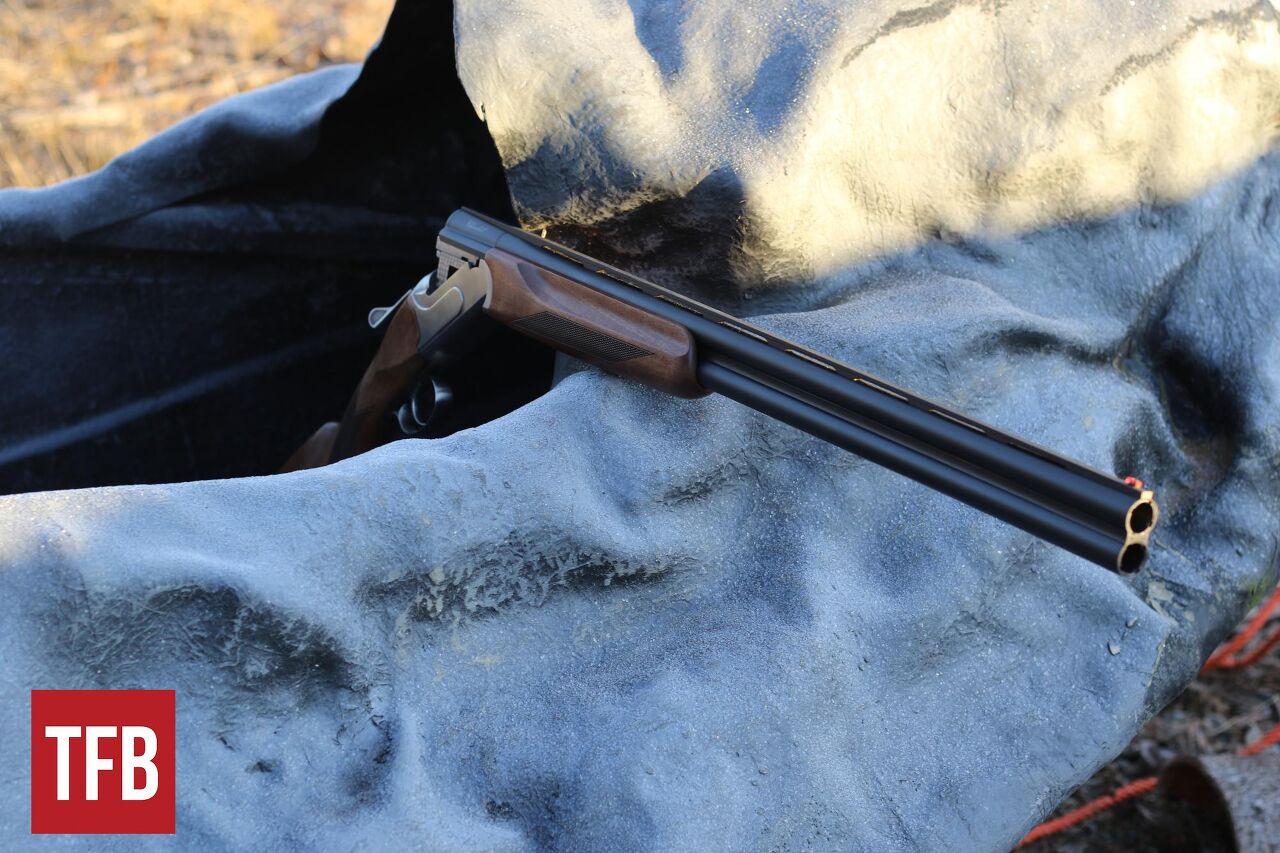
I prefer a double-barrel shotgun when hunting from a blind, up-close over bait. There’s nothing to rattle around and make noise, and a quick follow-up shot is guaranteed if you need it. That hasn’t been a problem yet, though. [Zac K.]
Coming out of the barrel, a 1-ounce 12-gauge slug has about 2,500 ft-lb of energy; that drops to roughly 1,500 ft-lb at 50 yards and about 1,100 ft-lb at 75 yards. Obviously, at those longer ranges, the slug is still well over anybody’s bare minimum for deer-killing. But if you’re facing up-close shots, Foster slugs are particularly devastating, with massive wound channels to accompany the raw energy. You will get different opinions from all angles of the shooting world, but from my own first-hand observation of high-powered rifle shots vs. slugs at close range, I personally prefer slugs.
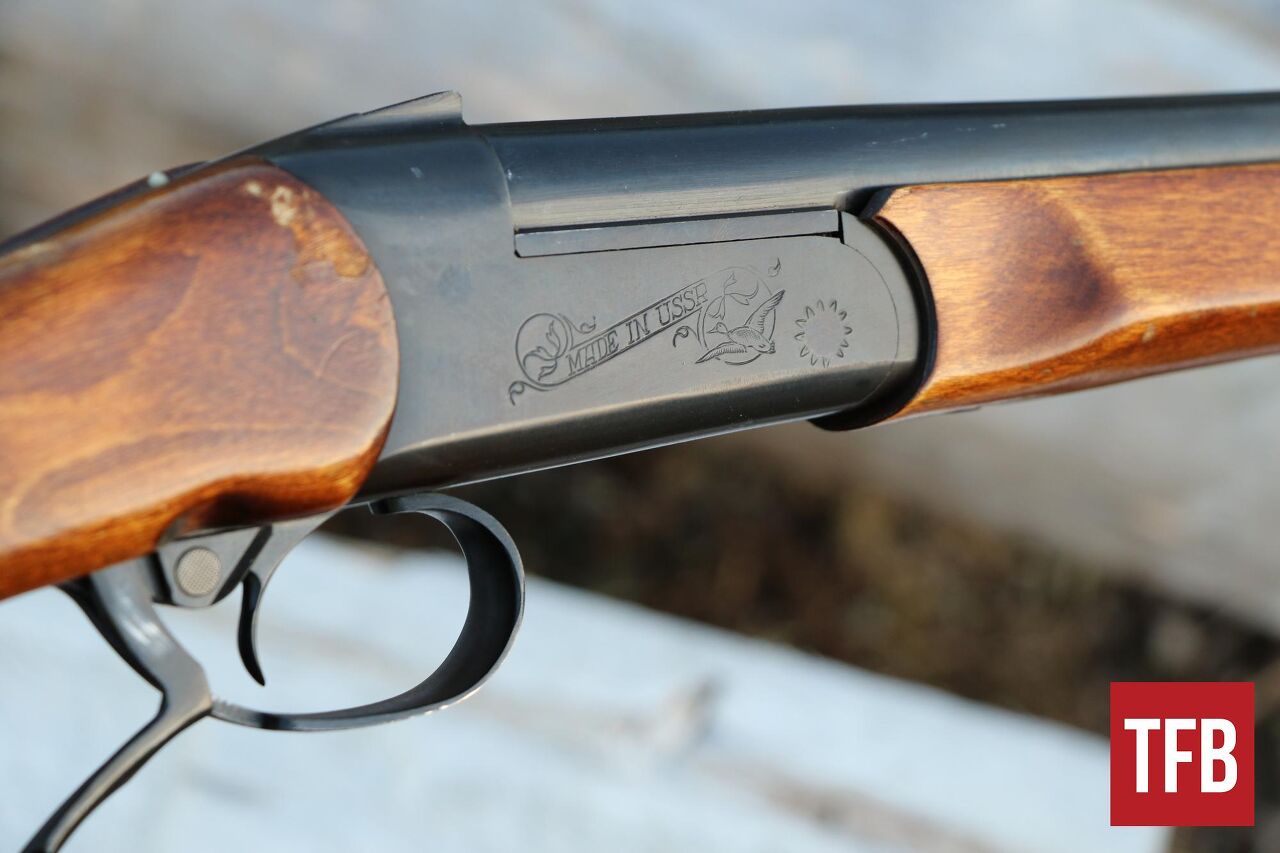
It’s a bit tricky to see, but there’s a crude sight ramp on top of this action, right where it meets the barrel. Older single-shot shotguns often came with these, helping the user shoot more accurately. In a time when a single-shot shotgun was often a family’s only hunting tool, a small touch like this made it much more useful with slugs. [Zac K.]
A shotgun is better for moving targets, and offers quick follow-up shots
Ideally, you want to shoot at a standing-still deer, placing the bullet precisely in the kill zone with no drama.
In the real world, things don’t always work out that way. I’m not telling you to take unethical shots, and I’m not telling you to shoot at moving deer—but people have done so for hundreds of years. I doubt they’re going to stop any time soon. And if you’re shooting at a moving target, it’s a big advantage to have a quick follow-up shot, and it’s a big advantage to using a multi-projectile pellet load, like you get with buckshot.
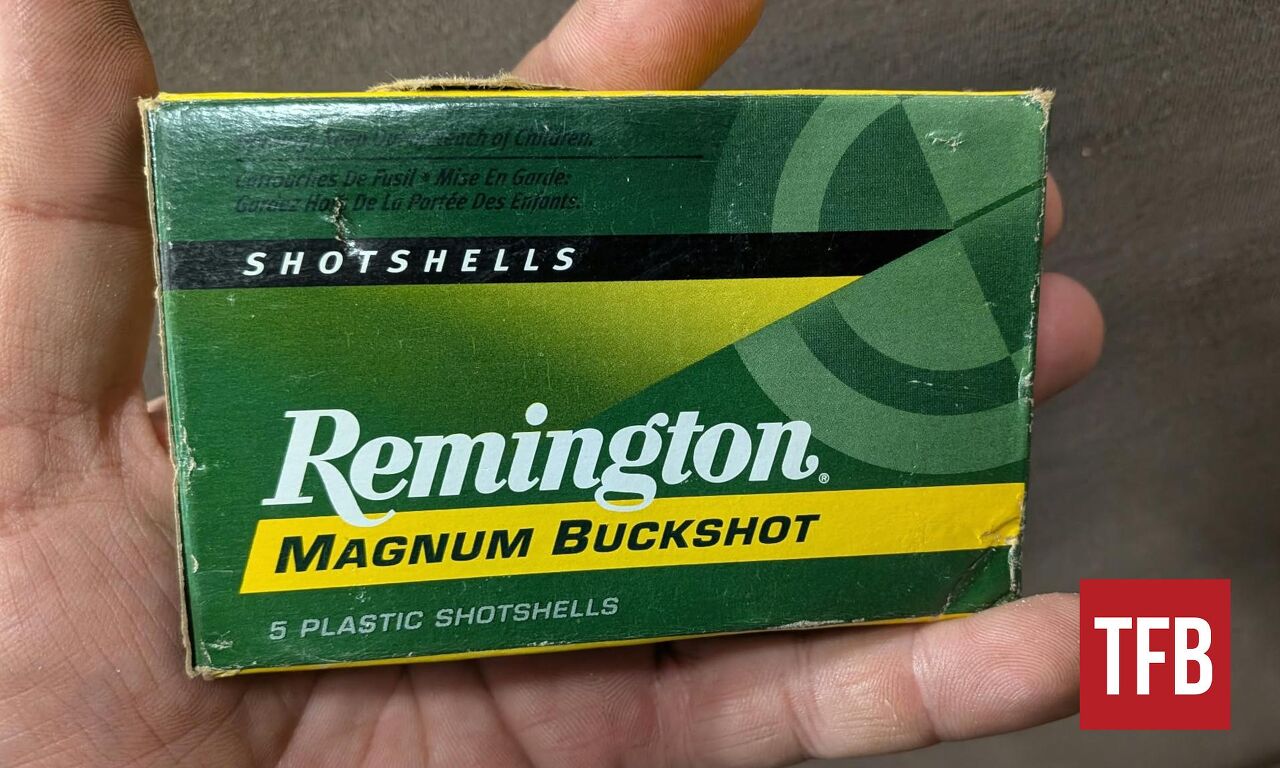
When you buy buckshot, it pays to buy quality rounds that are made for hunting. [Zac K.]
I haven’t mentioned buckshot yet in this article, partly because I think it’s worth its own write-up, and partly because a lot of hunters won’t use it because they think it’s ineffective. They’re wrong. At bowhunting distances—think 30 yards or less—the right buckshot loads will absolutely flatten deer, if you know your gun and take a careful shot. And if you’re shooting at a moving target—maybe deer that are being chased by hounds (where legal) or even being pushed by humans in a deer drive—then a shotgun offers you a much better chance of getting on target. A semi-auto or double-barrel or pump-action will give you a much quicker follow-up shot than a bolt-action rifle (probably quicker than a lever-action, too), while also posing less danger due to ricochets or shots going otherwise awry. This is helpful, if you’re shooting at moving game, or maybe even multiple targets—some jurisdictions allow shooters to fill other hunters’ tags, or kill multiple deer themselves.
This style of hunting is less and less popular all the time, and again, I am not endorsing it. But it’s tradition for many hunters, and shotguns work very, very well in these scenarios.
If this post has you ready to hit the range, head over to gunranges.com - a free directory to help you find shooting ranges near you, wherever you are in the United States.
Related Topics: