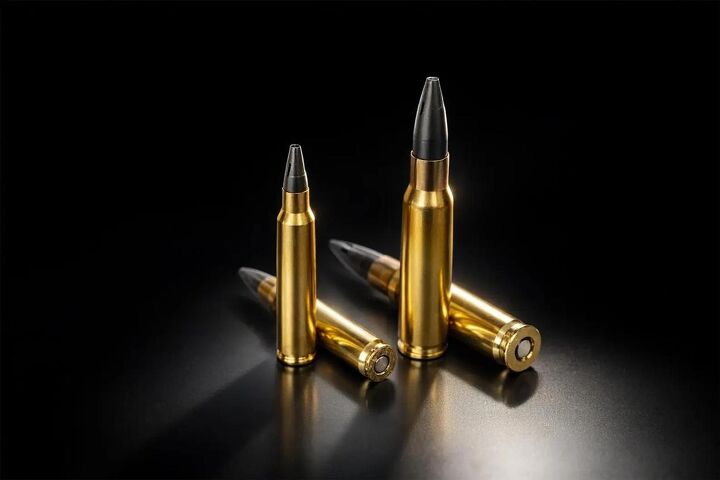
Kamikaze FPV drones are arguably the most devastating new weapon on modern battlefields that extremely efficiently neutralize personnel, equipment and vehicles alike. These electromechanical birds are small and agile, which makes them a very hard target. Well, people have long figured out that the most efficient way to hit small airborne biological targets is to launch multiple projectiles at them simultaneously. The same concept of increasing hit probability also works for individual anti-drone protection.
While shotguns are the fastest to deploy weapons to fight drones, carrying a separate firearm for that specific purpose may not always be possible or be the most optimal solution in terms of logistics and added weight to the usually already heavy loadout. The two main alternatives of having a dedicated anti-drone weapon are integrating a shotgun or some sort of birdshot or net launching device into the primary weapon itself or using multi-projectile ammunition in standard rifles and machine guns. The latter solution seems to be gaining traction as more and more companies get into that game. In this article, we’ll take a look at the latest multi-projectile rifle ammunition developments that come from Russia, Switzerland and Lithuania.
Anti-Drone Devices and Ammunition @ TFB:
Swiss P Shatter4K Anti-Drone Ammunition (Switzerland)
IWA 2026 and EnforceTac 2026 are just around the corner and if you visit the new product pages of their websites, you can get a sneak peek of what is going to be introduced at these exhibitions. One of these products that is interesting for the topic of this article is the new anti-drone ammunition line called Shatter4K developed by Swiss P.
“With Shatter 4 K, SwissP Defence introduces a purpose-designed ammunition solution for effective counter-drone operations. After leaving the muzzle, the projectile separates in a controlled manner into four sub-projectiles, significantly increasing hit probability against small and medium-sized drones. Available in the NATO standard calibres 5.56×45 mm and 7.62×51 mm, Shatter 4 K can be fired from standard assault rifles and machine guns without any weapon modification.
The deliberately limited effective range substantially reduces collateral and background risk, while the remaining kinetic energy of the sub-projectiles is sufficient to reliably destroy critical drone components such as rotors, motors, electronics and battery packs. Developed and tested in Thun, Switzerland, Shatter 4 K offers military and law-enforcement users a robust, practical and immediately deployable counter-UAS solution. Precisely imprecise. Exactly by design.”
TsKIB SOO STs-226 and STs-228 “Mnogotochie” Anti-Drone Ammunition (Russia)
This new anti-drone Russian ammo line, called Mnogotochie (Многоточие), which means ellipsis, is developed by the TsKIB SOO, an arms and ammunition design bureau from Tula. Reportedly, the company has been working on this anti-drone ammunition project since 2023 and the ammo has been deployed and used since the summer of 2025. There are currently two cartridges in this line: STs-226 (5.45x39) and STs-228 (7.62x54R).
Both new cartridges have three-piece projectiles and can be fired from standard firearms, including suppressed ones. According to Rosoboronexport (the sole state intermediary agency for Russia's exports/imports of defense-related products), at a distance of 300 meters, the hit probability is increased by 2.5 times compared to standard single-projectile rifle ammunition.
According to Kalashnikov Gun Magazine, the combined weight of the 5.45x39 STs-226 round’s three projectiles is 78.7 grains (5.1 grams) and the muzzle velocity is about 2,625 fps (800 m/s). The larger 7.62x54R STs-228 has a payload weight of 162 grains (10.5 grams) that is launched at about the same muzzle velocity.
GGG Anti-Drone Ammunition (Lithuania)
This is another find from the IWA website. Lithuanian ammunition manufacturer Giraites Ginkluotes Gamykla (GGG) will introduce at IWA/EnforceTac 2026 their take on the anti-drone ammunition. Their multi-projectile ammo is available in two flavors: .223 Remington and .308 Winchester. Presumably, this ammunition is also possible to use in firearms chambered in these cartridges without modifications. The company plans to produce in 2026 one and a half million .223 rounds and half a million .308s. The production volume can be increased should there be a higher demand.
“GGG factory has developed and manufactured anti-drone ammunition designed for effective engagement of small and medium-sized drones.
The product has been developed in response to modern security challenges and real operational requirements.
GGG anti-drone ammunition was thoroughly tested both at the shooting range and under field conditions.
The tests demonstrated consistent performance, reliability, and high effectiveness.”
At the time of writing, this is all we know about these newest anti-drone ammunition options. More information on the Swiss and Lithuanian rounds will likely be released during the EnforceTac and IWA exhibitions.
In this sword-and-shield race, I think we’ll soon see tougher FPV drones that will be harder to take down with birdshot pellets or light segments of multi-projectile small-arms ammunition. Let us know in the comments section which direction you think the development of FPV drones and measures to fight them will take.