The AK is one of the most widely encountered rifles in the world and has been used by military and security forces in many different countries for decades. Because of its widespread use, personnel may encounter AK-pattern rifles in a variety of settings, including civilian AK retailers, professional environments, training situations, and while working alongside partner forces that use the AK. Every weapon experiences wear and tear and will eventually fail, even the AK. Regular cleaning and preventive maintenance checks and services (PMCS) are essential for avid sport shooters and any warfighter. Understanding the weapon's condition, maintenance considerations, and common AK deficiencies can provide useful background for anyone who may encounter one. This article briefly covers the importance of preventive maintenance, inspection, and identifying potential faults to maintain equipment reliability and serviceability. This is for both civilians and those using AKs or training partner forces.
Maintaining The AK Series Of Rifles: From The User To The Maintainer
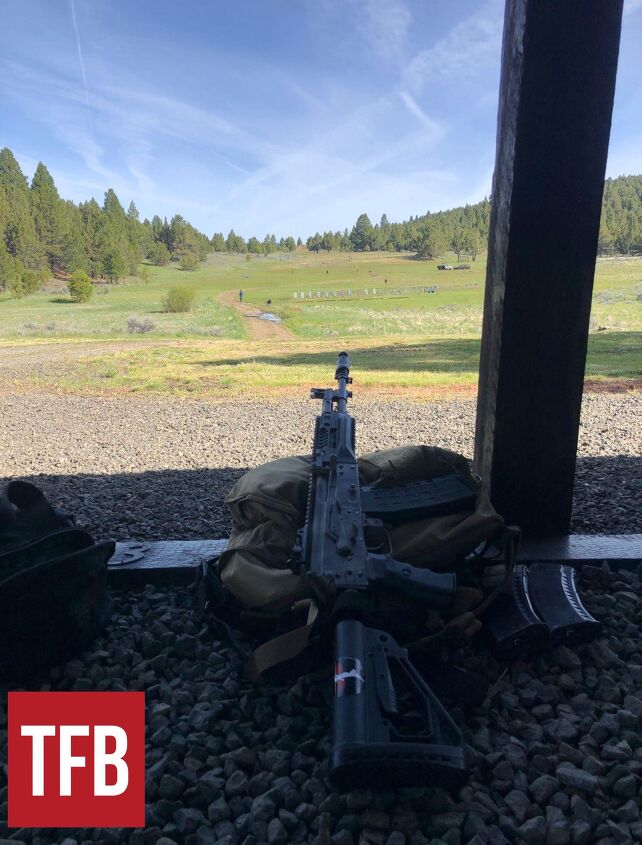
Inspection
First, before buying and using the weapon, visually inspect the rifle for damage to better assess its condition. Begin with an overall examination of the rifle. Inspect for obvious damage, corrosion, contamination, missing components, and other visible deficiencies. During this inspection, you also conduct a function check to ensure everything works. If a gunsmith or maintainer can check the headspace, that's beneficial.
Inspect the weapon's major external components. Examine the stock and exterior surfaces for damage or deterioration, and check the sights and other externally mounted components for general condition. Also inspect the receiver and associated components for visible signs of excessive wear, damage, or other abnormalities. These inspections identify problems that may require attention before the equipment is returned to service.

The inspection continues with the weapon's major internal and associated assemblies. Inspect components associated with the bolt carrier group, front trunnion, especially its right locking shoulder, and the ejector for general condition and signs of unusual wear or damage. The top cover and other major components are likewise checked for visible deficiencies. Inspect the magazines separately for overall condition, cleanliness, and signs of damage or deterioration.
After examining the individual components, the maintenance inspection considers the equipment's overall cleanliness and maintenance condition. The final purpose of the PMCS process is to ensure that deficiencies are discovered as early as possible. Regular inspections help prevent minor problems from developing into major equipment failures and support equipment reliability and readiness.

Cleaning
Cleaning has different levels; this applies to any weapon system. Field stripping is designed to be done in the field and at the range, while further breakdown and detailed cleaning is done back in garrison, where you can fully disassemble the weapon for cleaning in a better-controlled environment. This helps soldiers avoid losing smaller parts in the field or at the range.
Cleaning is like any other weapon: start with the barrel and gas block, then clean the chamber. I once had a malfunction where carbon buildup in the gas block seized my piston when I was shooting. It went forward, but not back, so I had to mortar it, so make sure you clean it well. Also, if it's really bad, you can use a half-inch plumbing copper cleaning brush to clean out carbon buildup. Make sure the chamber is clean, as it can cause extraction failure. I always kept a bore snake to clean out the barrel and chamber when I was in the field. For barrel maintenance in the field, when in doubt, clean it out if you think something got in there.
Cleaning the receiver: take apart the major components and clean the bolt, carrier, and front trunnion locking shoulder. Clean the main spring assembly. Clean the fire control group, then reassemble and perform a function check. Finally, apply light lubrication to prevent rust.

For the maintainer level
Hopefully you start with a clean weapon, begin with a visual inspection, and then check headspace. If the headspace is bad, you can tag it as it’s a deadline fault. For the civilian, if you check your headspace (or have a gunsmith check it) and it's bad, you can have a gunsmith adjust it by swapping the bolt or pushing the barrel back and drilling a new barrel pin. For those maintainers operating in forward locations around the globe, if you have some bad rifles, you can see if swapping a bolt can get you a better headspace. Only do this if you have gauges to verify the headspace. If you have erosion gauges and firing pin protrusion gauges, that’s great; use them, but most don’t. AK barrels typically last 10-20k rounds; actual barrel life can vary depending on how the weapon is used, such as whether it runs hot or not, and depending on what performance you are wanting from the rifle.

For civilians and maintainers doing service on AKs, it's recommended to replace all the springs at roughly 5-8k rounds. AK springs generally last a long time, but they do fatigue over time, and performance will vary between manufacturers. Monitoring spring tension, length, and consistency of function will help you catch issues early. Replacing them on this schedule preserves reliability and keeps the weapon performing to the standard that the AK is known for.
As for spare parts, I keep bare essentials in my range bag, including key springs, a spare firing pin, extractors, a compact cleaning kit, lubricant, and armorer tools. It’s nothing excessive, just enough to keep the weapon running if something fails in the field. Keeping these items on hand and maintaining a consistent inspection routine goes a long way toward reducing downtime and preventing avoidable malfunctions.

Conclusion
Maintaining AK-pattern rifles is fairly simple: basically keeping the weapon clean and replacing worn and damaged parts. Regular PMCS helps identify wear, damage, and potential faults before they become serious problems. Ultimately, a disciplined maintenance schedule helps ensure the AK remains in a safe and serviceable condition for civilian shooters and those using the AK for work.
If this post has you ready to hit the range, head over to gunranges.com - a free directory to help you find shooting ranges near you, wherever you are in the United States.