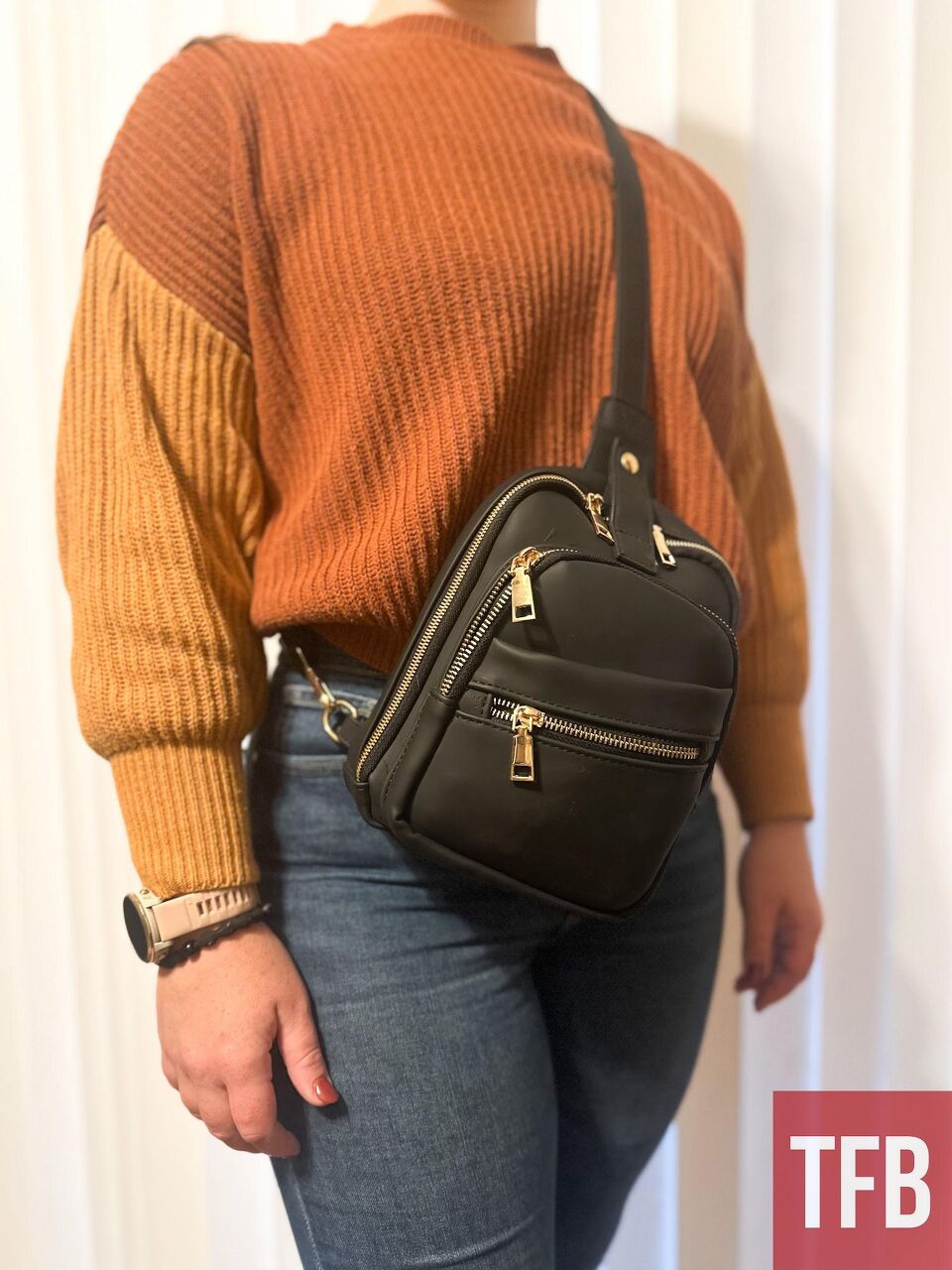
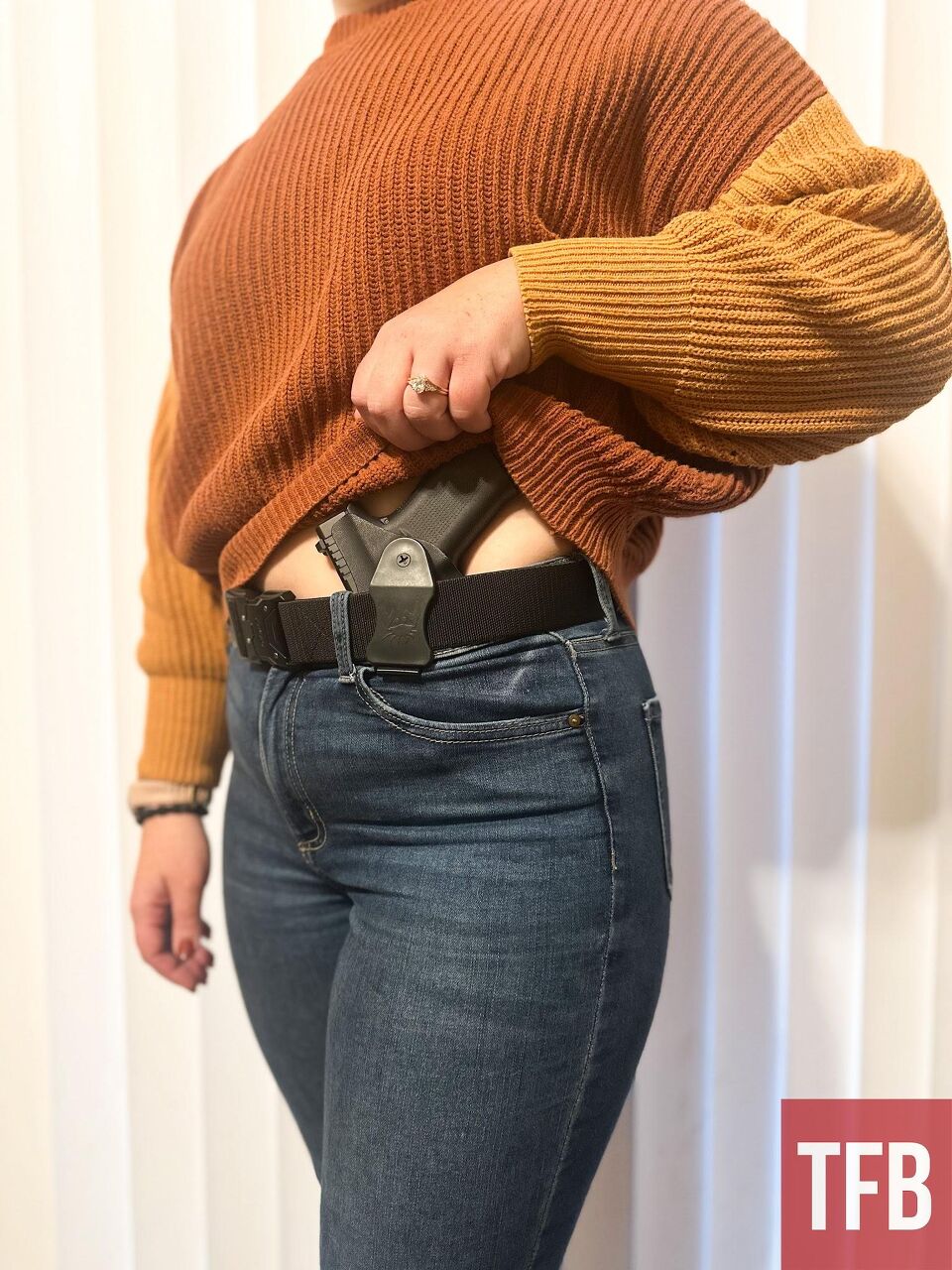
One of the debates in the firearms world is on-body vs. off-body concealed carry. Simply choosing to carry a firearm with you everywhere you go already seems like such a complex task, and then you have to consider how exactly you plan to carry your firearm. Most likely, you’ll also have solicited and unsolicited input from those around you, saying how you should, or shouldn’t, carry what works for them and why it will work for you, and why the way so-and-so chooses to carry is wrong. All the noise can be overwhelming and frustrating to someone who just wants to find their best way to carry safely.
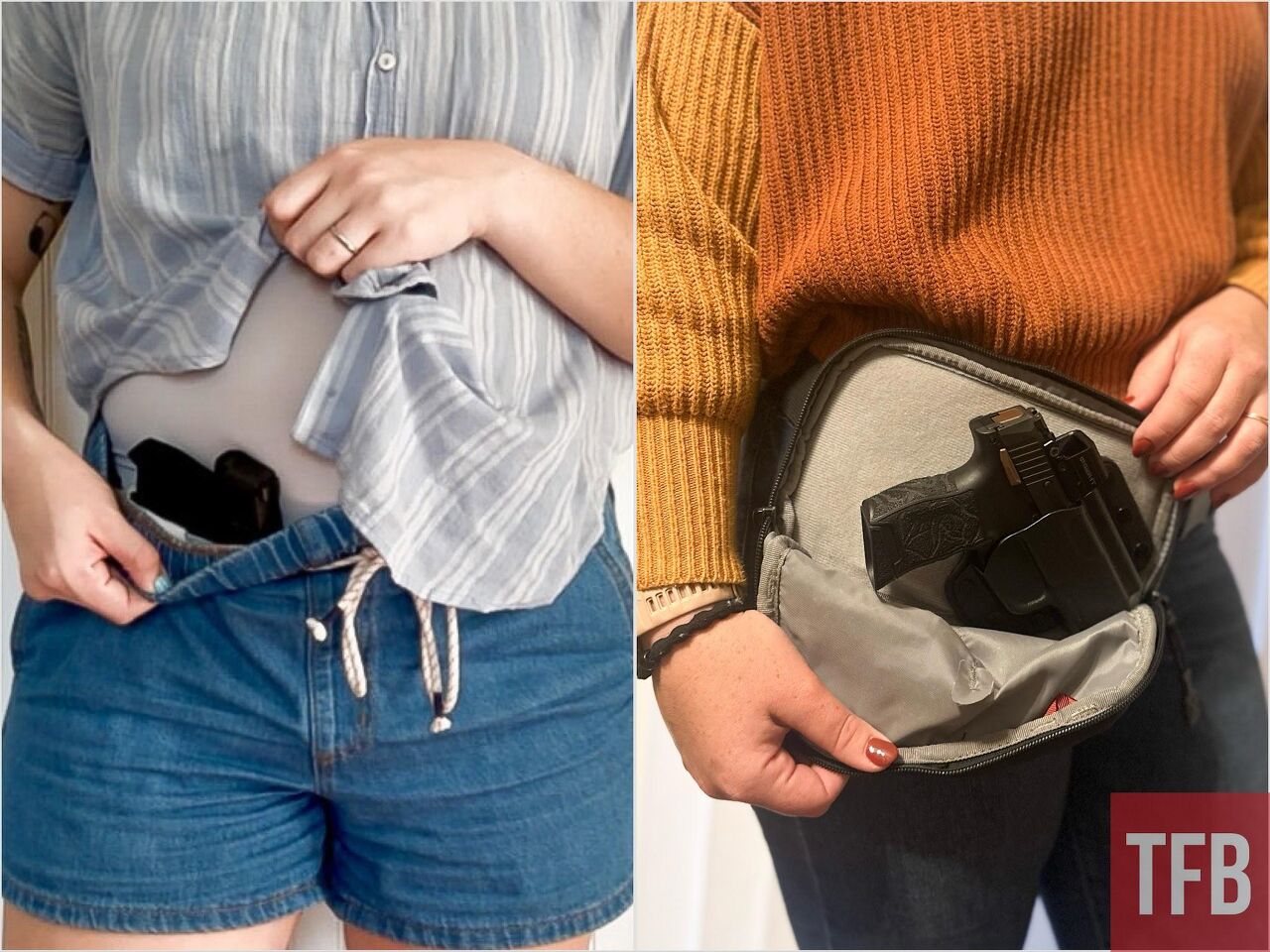
On-body carry refers to carrying your firearm in a holster that is attached directly to your body via a belt or band. There is contact between your skin and the holster, and a garment such as a shirt is used to cover the firearm. Off-body carry, on the other hand, refers to any method of concealment where the firearm is not directly attached to your body. Instead, it is typically concealed in a purse, backpack, or (more common nowadays) a fanny pack. Understanding the difference between these two methods is the first step to figuring out the safest and best option for you.
People choose different methods of carrying based on a variety of factors such as lifestyle, comfort, and concealability. While there are safe ways to conceal both on and off body, there isn’t a singular method that fits every person or situation. While I personally do prefer to carry on-body, there are times I have to utilize off-body carry methods. You have a responsibility to understand the different carry methods, and to educate yourself on what is safe and unsafe.
Let’s break down the different approaches, the safety aspects of each one, and their practical application so you can be better equipped to choose the method that works best for you.
On-Body Carry: Methods, Advantages, and Drawbacks Common On-Body Methods
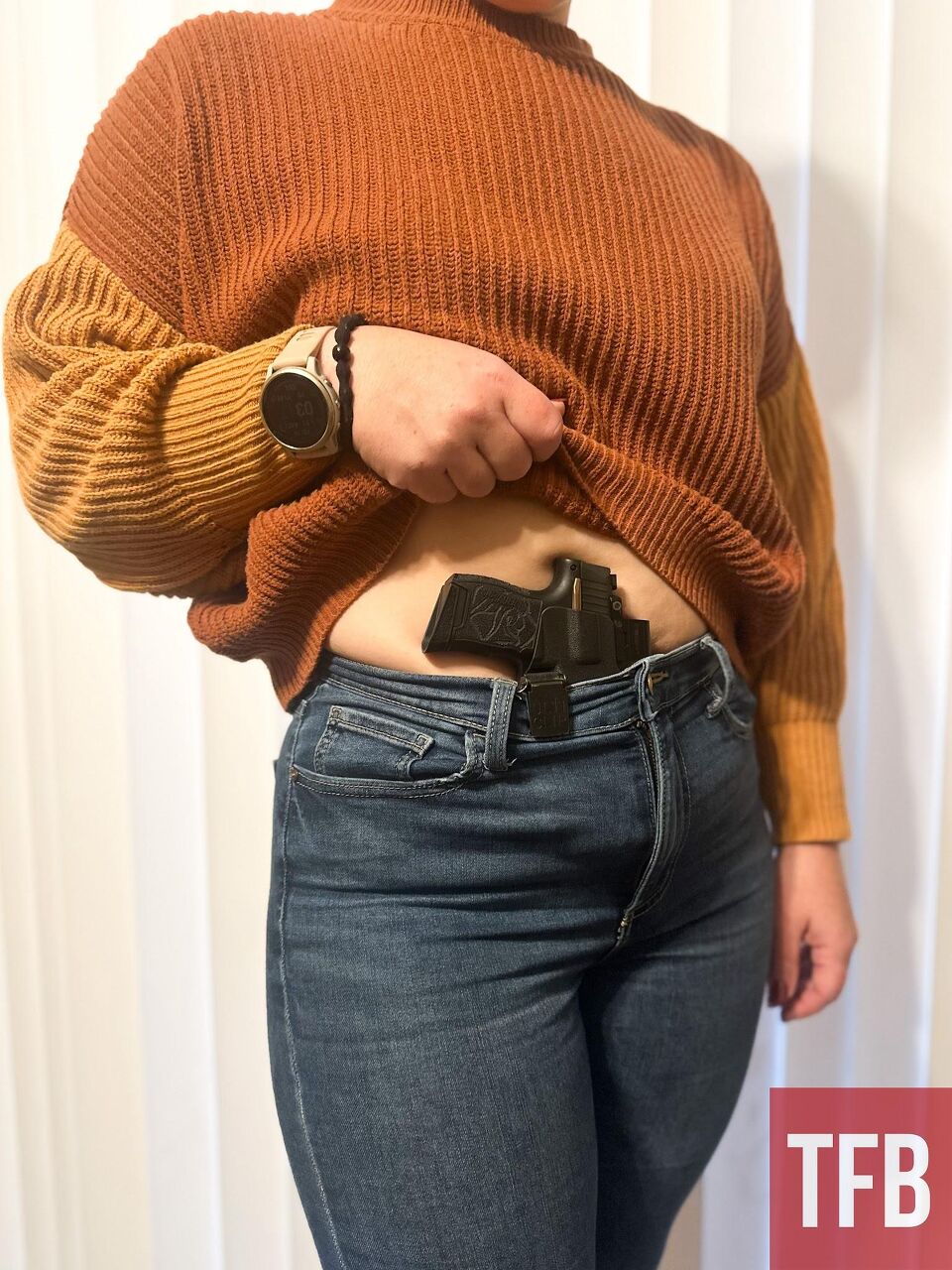
A common starting point and popular on-body carry position is inside the waistband (IWB). This means you are carrying your firearm in a holster that sits between your abdomen and the waistband of your pants. If you choose to carry appendix IWB, you’ll have the firearm riding along the front of your torso, between the 10 o’clock and 2 o’clock position. Although most holsters will require a sturdy belt, there are options, such as an UltiClip, that allow you to attach your holster directly to your pants. You can also choose to carry on the side of your hip, closer to the 9 o’clock or 3 o'clock position (depending on whether you are right- or left-handed). This position can be IWB or outside the waistband (OWB), meaning the firearm sits outside of your pants instead.
Other methods of on-body carry include back and ankle. These are not as popular as Appendix or Hip carry, primarily due to fast accessibility challenges, but they may be suitable depending on your clothing selection or other factors. Back carry can be beneficial if you are wearing a jacket that is open at the front, but it does require more training to be safe and comfortable when accessing your firearm. Ankle carry can be a good option if you are wearing looser bottoms with a tighter/shorter top or a dress that you may not otherwise be able to carry in using traditional methods. Whatever method you choose, make sure you use a hardshell holster, and please train to the point that you are safe and confident, both in carrying and drawing. Then, keep training.
A more in-depth look at on-body carry is available HERE (How to Start Carrying as a Woman).
Advantages and Disadvantages of On-Body Carry
On-body carry comes with several advantages, the first and most obvious being that the firearm remains physically attached to the person carrying. On-body carry doesn’t require a separate bag, which means you don’t run the risk of accidentally leaving a purse or bag behind with your firearm in it. Additionally, with proper training, there’s a reduced risk of having your firearm taken off your body, whereas a bag can be more easily grabbed. Depending on your personal style, carrying on-body can also make it easier to incorporate a firearm into your daily routine. Eliminating the added complexity of opening a bag to access your firearm also improves accessibility in an emergency situation.
While on-body carry has its advantages, it can also come with some disadvantages. On-body carry can be uncomfortable, even with so many carrying options available. If you do find a comfortable option while standing, it may become uncomfortable while sitting. Physical activities such as running or lifting can also make it more difficult to ensure that the firearm remains stable, concealed, and comfortable. Certain clothing choices simply do not work with on-body carry, and sometimes dressing around the firearm is just not fun. If you have a favorite outfit that you’re looking forward to wearing, and the firearm makes that impractical, that can negatively impact your concealed carry experience.
It takes time and consideration to find a setup(s) that works best for you, and these setups can change depending on your situation or outfit choices. What is a comfortable and practical option one day can be annoying and impractical the next. Take the pros and cons into consideration when choosing to carry on-body, and make sure you have trained with whatever setup you choose.
Off-Body Carry: Purses, Bags, and Fanny-Packs
In addition to on-body carry, there are also several methods of off-body carry methods that come with their own pros and cons. While off-body generally refers to carrying in a bag, there are different types of bags that can come with their own unique sets of advantages and challenges.
Purse Carry
When we think of off-body carry, purse carry often comes to mind first. Women are often told that purse carry is beneficial since it can be challenging to carry on-body in many outfits such as skirts and tighter tops. The advantages of purse carry are that it does offer more freedom and flexibility with outfit choices, and you don’t have to dress around the firearm. Additionally, it can allow one to carry comfortably and have more ability to move around.
While the purse gives women another option to carry, it also comes with a set of drawbacks. First, it can be extremely unsafe if the purse is not a dedicated concealed carry purse. Meaning, if you’re going to carry in a purse, be sure it is built for that purpose and that it comes with a dedicated firearm compartment or a method to attach a holster. A firearm should never be loosely thrown into a purse; it should always have a hard guard on the trigger. Second, purse carry introduces another set of skills to train. While purse carry is convenient, you have to consider the accessibility compromise. Drawing from a purse must be trained, a lot. If hands are full or if the purse is not consistently carried in the same position, you may have additional challenges drawing the firearm. Lastly, a purse is easy to set down and take attention off of, meaning someone can access your firearm or take the purse off your shoulder if you are not aware of your surroundings.
Purse carry can be an option, but in my opinion, it comes with drawbacks that outweigh the advantages. With any method, though, make sure you train and have your firearm safely secured, and always maintain situational awareness.
Fanny Packs and Cross-Body Bags
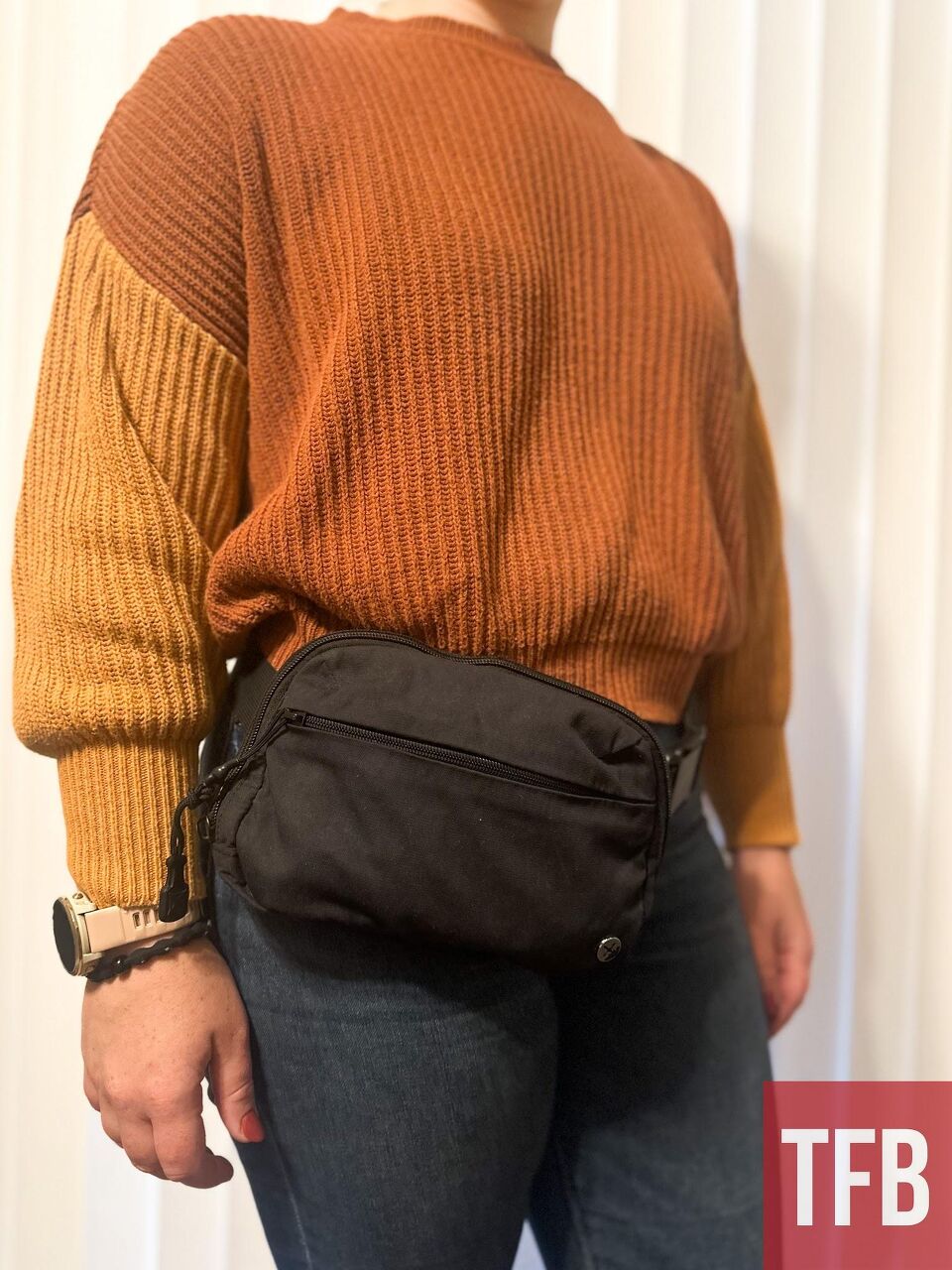
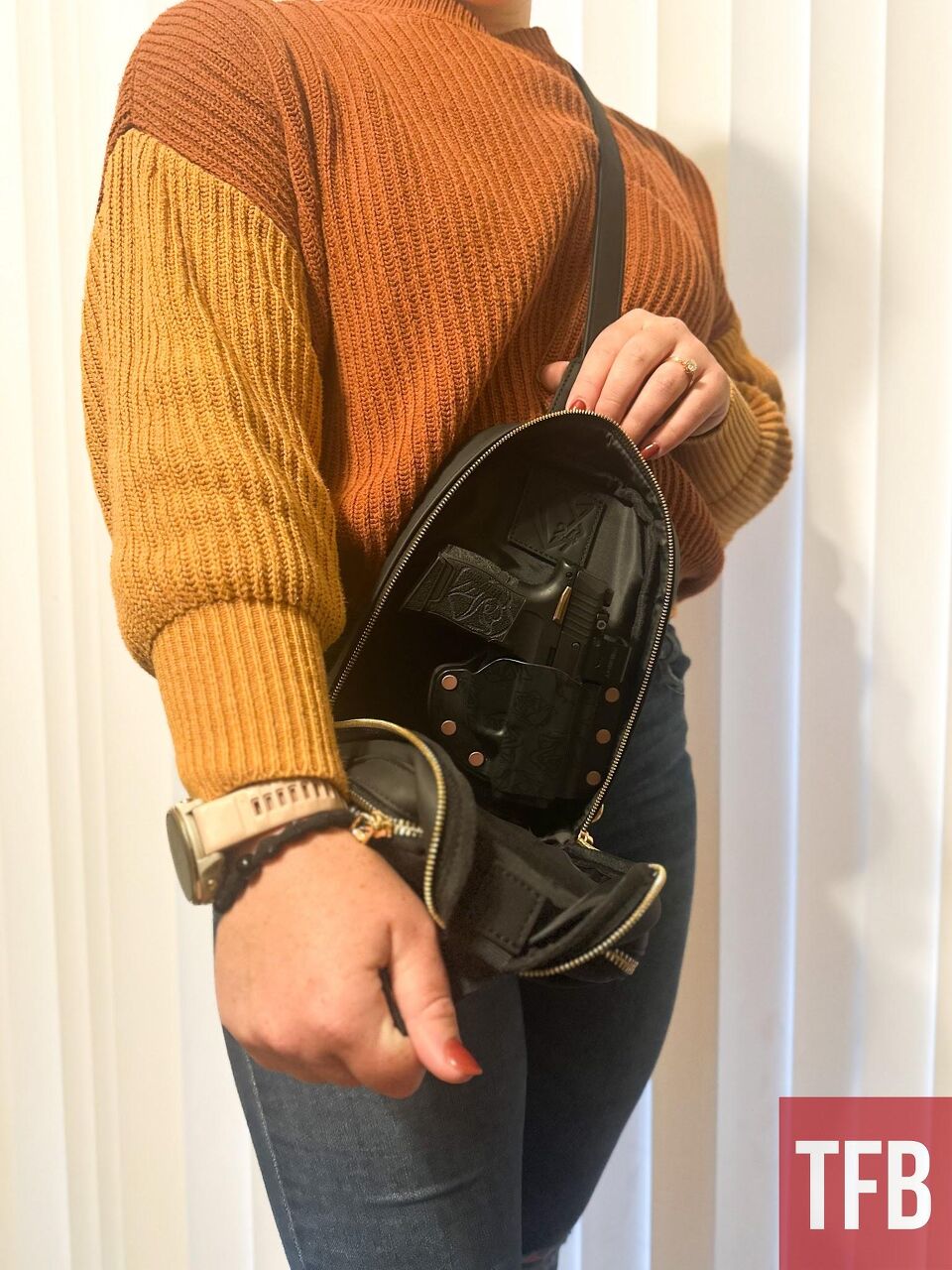
An option that seems to be increasingly popular, for men and women, is carrying off-body via fanny packs and cross-body bags. These bags offer many of the same benefits as purse carry, and they do so while adding a little bit more security and generally offering more draw accessibility. Unlike a regular purse, fanny packs and cross-body bags wrap and strap around the body, making them harder to snatch off one’s shoulder or hand like a regular purse. They also offer hands-free convenience, just like on-body carry, giving you the ability to move around without having to keep track of a bag in your hands. Additionally, while they still require heavy training and a dedicated holster, they can be easier to draw from than a purse due to the hands-free style. You’ll generally find them available in a variety of styles, from luxury to casual to tactical.
Just like all carry methods, there are some disadvantages. While they offer convenience, they remain unsafe when not used with a proper holster and firearm compartment. A purpose-built conceal carry fanny pack or cross body bag should be used, not a regular fanny pack. Tactical looking fanny packs can also be a give-away that you are carrying a firearm, so the look and style of the pack should be taken into consideration. Additionally, proper training and safe draw mechanics continue to be a requirement - it can be easy to flag yourself when trying to draw quickly from a fanny pack, so consistent training is crucial.
Always remember, the hands-free convenience of the bag being strapped around your body can introduce a level of comfort, or confidence, that compromises your situational awareness. Someone can still open your pack, even with it strapped to you, in an attempt to access a firearm. If you choose to take the pack off, someone can still grab it if you set it down. You must remain vigilant, despite any comfort and convenience advantages. Situational awareness is important when choosing to go this route.
Fanny packs and cross-body bags can be a safer option than a purse and come with enough advantages to be considered, but this method still needs to be heavily trained and the disadvantages considered. Backpacks and Other Bags
Backpacks and any other type of bag can also technically be used for off-body carry, and their advantages are generally the same as purse and fanny pack. They also come with many of the same disadvantages. Additionally, backpacks often have many compartments and other unrelated items in them, i.e. books, laptops, etc. There are solid product offerings with dedicated carry compartments and other built-in systems. Still, these can potentially be difficult to navigate under stress. This could result in delayed presentation of your firearm in a life and death situation.
While backpacks seem convenient, their inherent trade-offs put them at a disadvantage when compared to purses, cross-body bags, and fanny packs. As with all carry methods, training and safety remain crucial.
The Main Trade-Off
Off-body carry can offer comfortable solutions and eliminate the clothing problems associated with on-body carry, but they come with an added layer of responsibility, a larger set of practical disadvantages, and increased training requirements. If you choose to carry off-body, consider all of the advantages and drawbacks, and be sure to use a safe holster/trigger guard when using these techniques.
The Final Pros and Cons
Now that you have the general idea of advantages and disadvantages associated with common on-body and off-body methods, here is an easy-to-follow list of pros and cons to help you decide what method(s) work for you.
A quick word about training. In this table, you’ll note that “additional training…” is listed in the Cons column. I don’t mean to suggest that additional training is a disadvantage. It absolutely is not. However, it does require additional time and resources that may not be available to everyone, and that has to be taken into account. In the context of making a this-or-that decision, if the option you choose requires additional training and you can’t or won't commit to it, then it is indeed a con.
On-Body Appendix and Hip IWB/OWB
Pros:
- Firearm stays physically attached to your body.
- No separate bag to accidentally leave behind.
- Generally harder for someone to take vs. a purse or other unattended bag.
- Provides relatively direct access.
- Can work with different clothing setups depending on the position.
- Doesn’t require carrying a separate purse or bag.
Cons:
- Can be uncomfortable.
- May require a belt or other method of securely supporting the holster.
- Physical activity can create issues with comfort, stability, and concealment.
- Some clothing styles may not accommodate it easily.
On-Body Back and Ankle
Pros:
- Provides an alternative when traditional waist carry doesn't work with a certain outfit.
- Can work with looser pants or certain dresses/outfits.
- Doesn't require carrying a separate purse or bag.
Cons:
- Generally less accessible than waist/hip carry.
- Requires consideration of clothing and body position.
- May be less practical during movement or physical activity.
- Requires additional practice to access safely and consistently.
Off-Body Purse
Pros:
- Provides more flexibility with clothing.
- Doesn't require dressing around an on-body setup.
- Can provide additional storage for everyday items.
Cons:
- The purse can be accidentally set down or left behind.
- Someone can potentially grab the purse and take it.
- Requires additional training for accessing the firearm from the purse.
- Accessibility can change depending on how the purse is positioned.
- Having your hands occupied can complicate access.
- A regular purse isn't an appropriate substitute for a purpose-built carry system.
- The firearm needs to be secured against unintended access, including appropriate trigger protection.
- Situational awareness becomes particularly important because the firearm is not physically attached to you.
Off-Body Fanny Pack and Cross Body Bag
Pros:
- Provides more flexibility with clothing.
- Generally comfortable and hands-free.
- Can be more difficult to snatch than a conventional purse because it's attached around the body.
- Can provide relatively consistent positioning.
- Potentially easier access than a conventional purse because of the bag's position.
- Available in a wide range of styles.
Cons:
- Still requires a purpose-built carry system rather than an ordinary bag.
- Requires appropriate firearm retention and trigger protection.
- Requires additional training for accessing the firearm from the bag.
- Drawing quickly can introduce additional safety considerations.
- Some tactical-looking designs may make the purpose of the bag more obvious.
- Can still be taken or accessed by someone else if situational awareness is poor.
- Removing the bag creates the same fundamental problem as other off-body methods: the firearm is no longer attached to you.
Off-Body Backpack/other bags
Pros:
- Provides flexibility with clothing.
- Can be comfortable for carrying other everyday items.
- Hands-free when carried as a backpack.
- Doesn't require modifying clothing to accommodate an on-body setup.
- Useful when carrying a larger number of everyday items.
Cons:
- Generally more difficult to access than smaller, more consistently positioned bags.
- Can be taken or left behind.
- Multiple compartments can make locating/accessing the firearm more complicated.
- Other items can obstruct access.
- Larger bags provide more opportunities for the contents to shift around.
- Requires additional training for accessing the firearm from the bag.
- Situational awareness is particularly important because the bag can be set down or removed.
Conclusion
On-body and off-body carry each come with their own set of advantages, drawbacks, and trade-offs. On-body methods provide greater firearm security, but can provide challenges when dressing. Off-body methods give more overall flexibility, but require a higher level of situational awareness and more difficult levels of accessibility.
Regardless of what method(s) you choose to utilize, be sure to choose a safe holster and TRAIN. It takes more than putting a firearm on your person or in a bag to be safe. Take everything into consideration, train the methods you use, and find what works best for you.