Rock River was once one of the top manufacturers in the AR game, but they have faded from view somewhat. One area where they still have a strong following is in the world of high-power rifle shooting. RRA is one of the very few suppliers of competition-legal service rifle components. This review will take one of the uppers made for that game and put it through its paces.
Reviews @ TFB:
Disclosures: No disclosures are necessary for this review. I bought this upper at retail. Rock River has no idea who I am.
Features
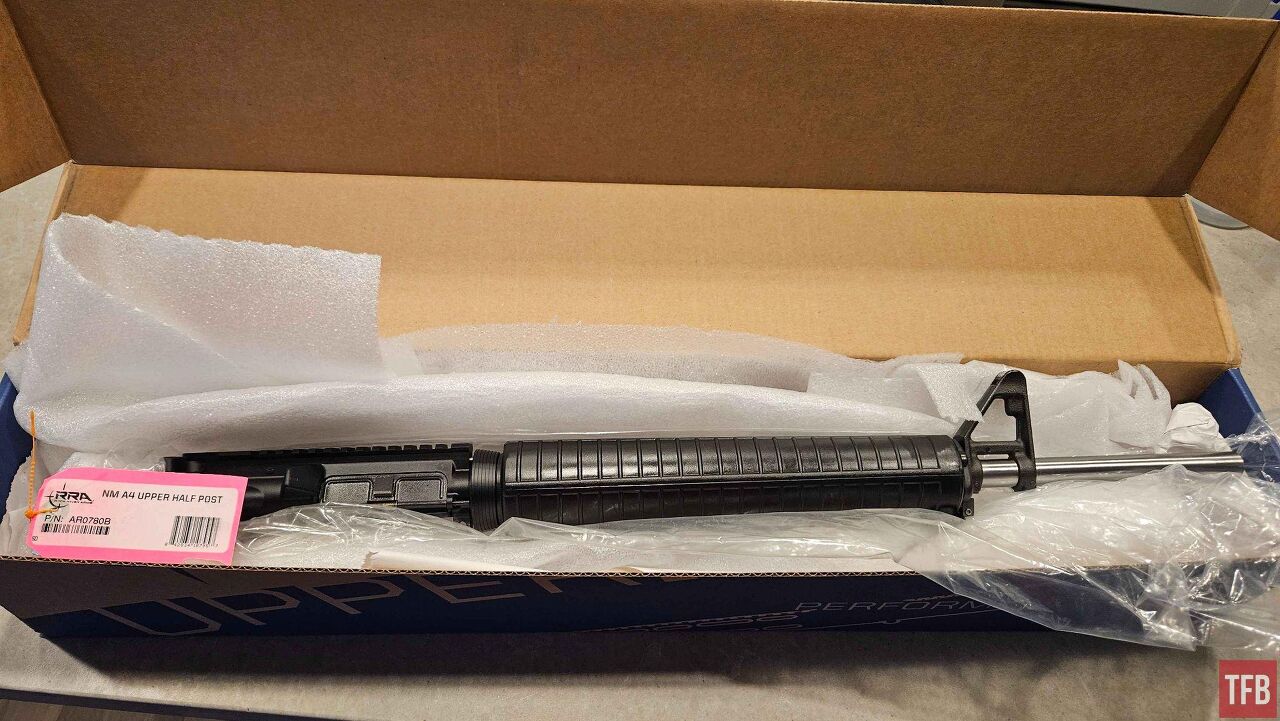
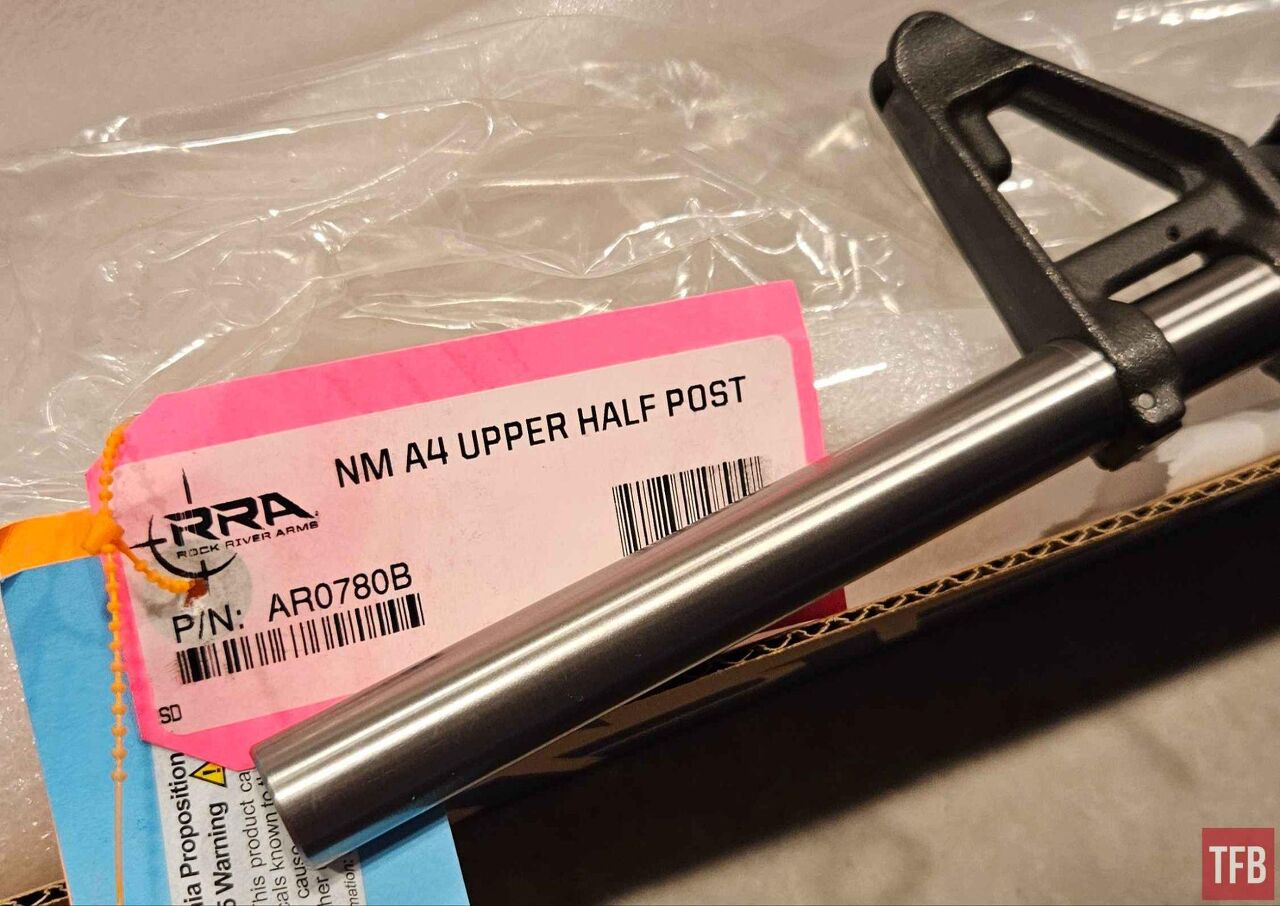
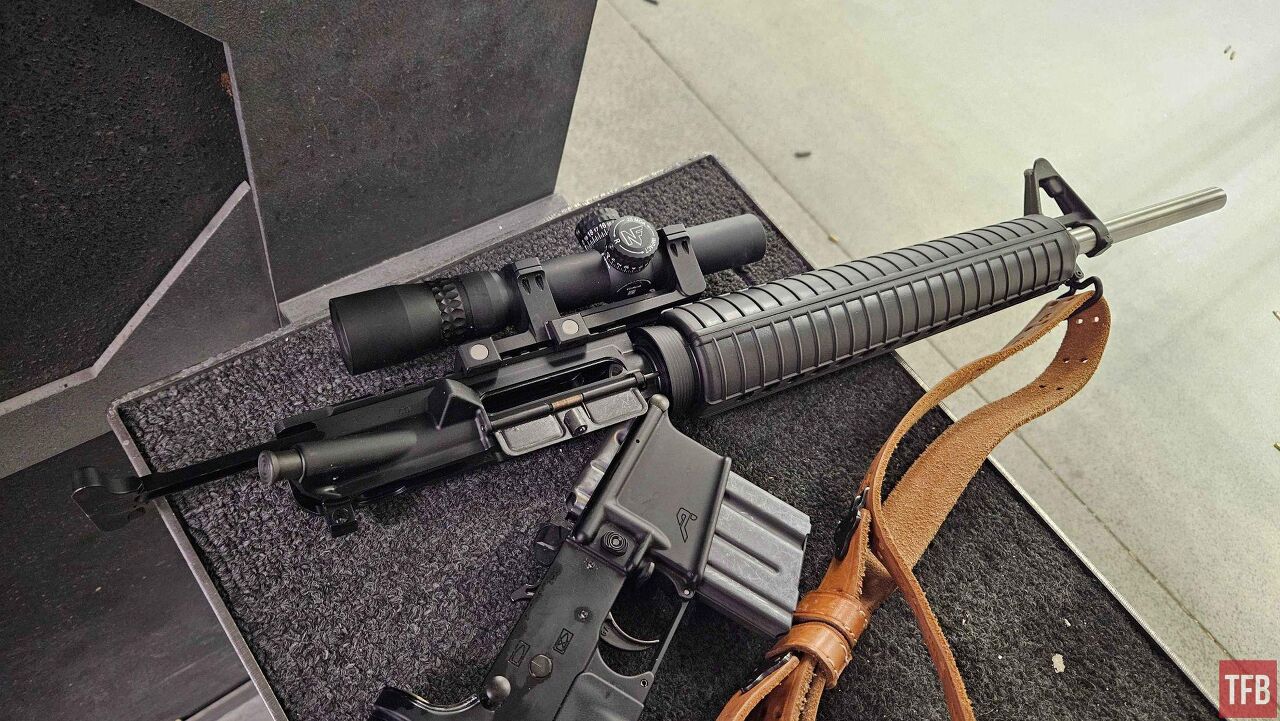
RRA sells several complete rifles and uppers built for service rifle competition. Options include 20- or 16-inch barrels, flat-top or iron-sighted uppers, and free-floated A2 handguards or full aluminum tubes. All use stainless steel match barrels, and the complete rifles come with a ¾ MOA. These are referred to as National Match (or NM) models.
I got started in shooting service rifle matches a few years ago, beginning with a Bushmaster DCM A2 upper. That became a flat top when I moved to shooting with a scope. But I never had a firm round count for the barrel, and at some point, that would be an issue that I couldn't predict. Replacing a barrel would cost around $300, and I would still have my old bolt carrier group.
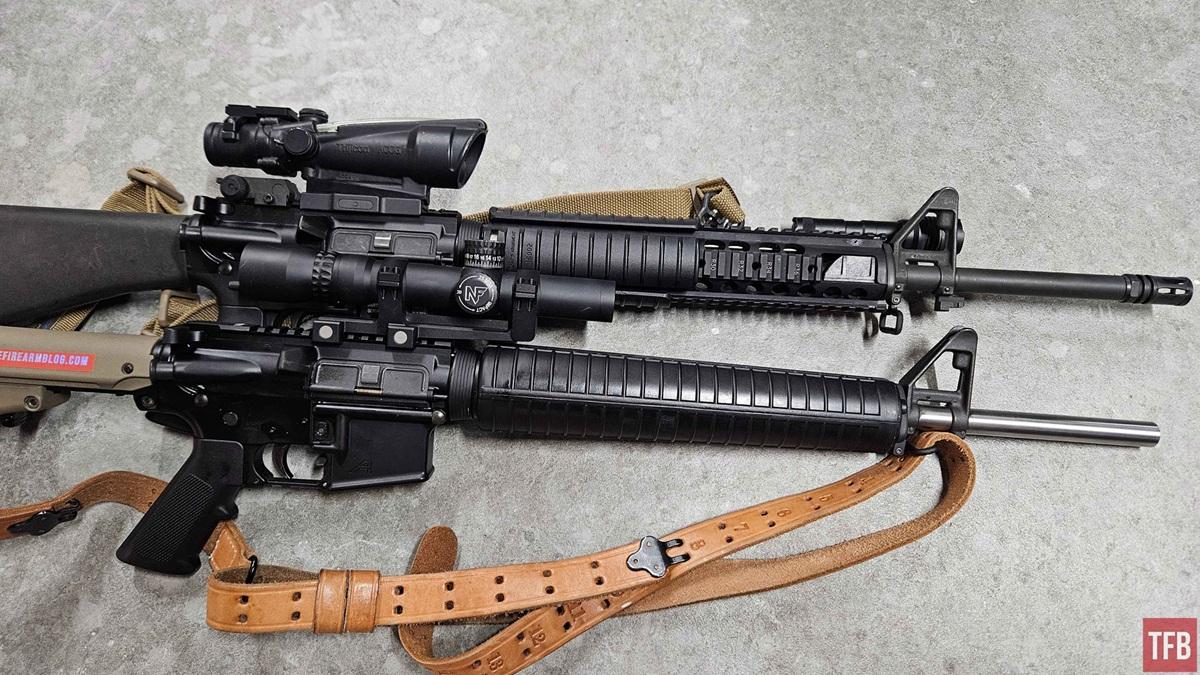
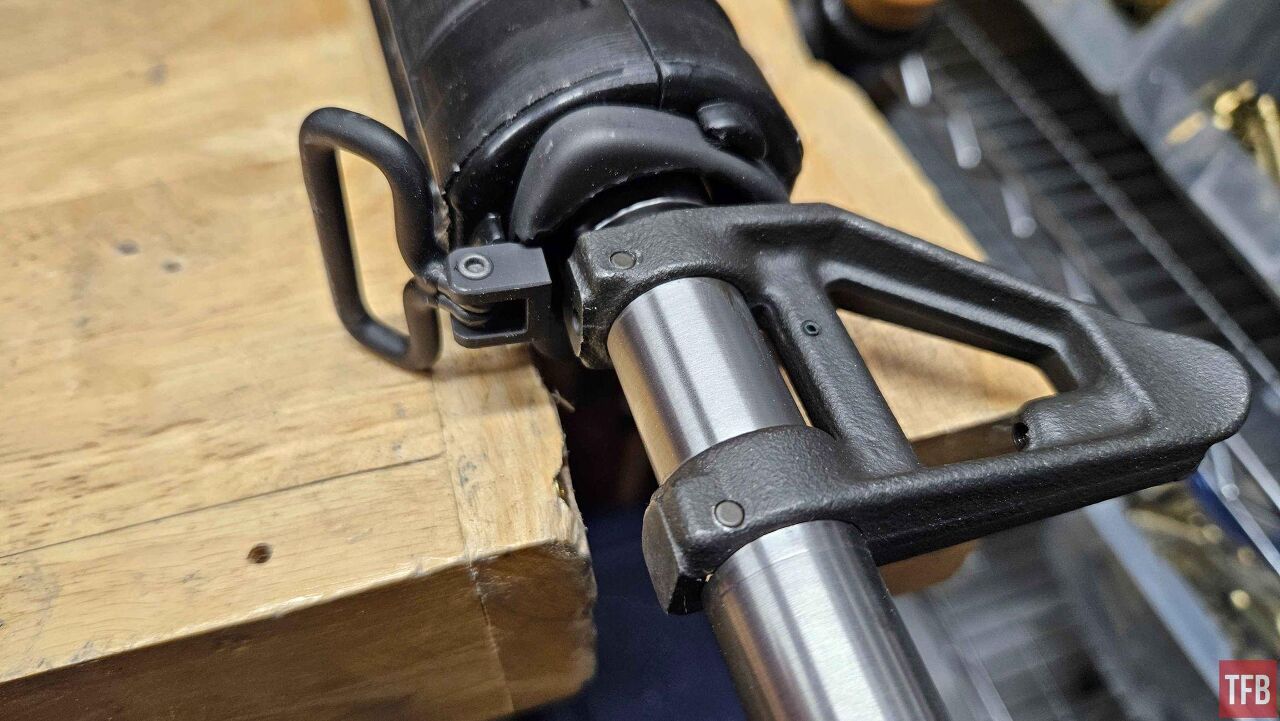
But then I was on Optics Planet and noticed that the Rock River National Match complete uppers were on sale. Rock River Arms has a long tradition of producing competition firearms. They are one of the very few shops that sell complete service rifles and uppers ready for CMP competition. I picked out a model with a railed gas block for something like $550 and ordered it. When it arrived, there was a surprise: the front sight was not a gas block, but a traditional triangle front sight base. This was not my preference because I would be using a scope instead of irons, but the price was good enough that I decided to live with it instead of sending it back.
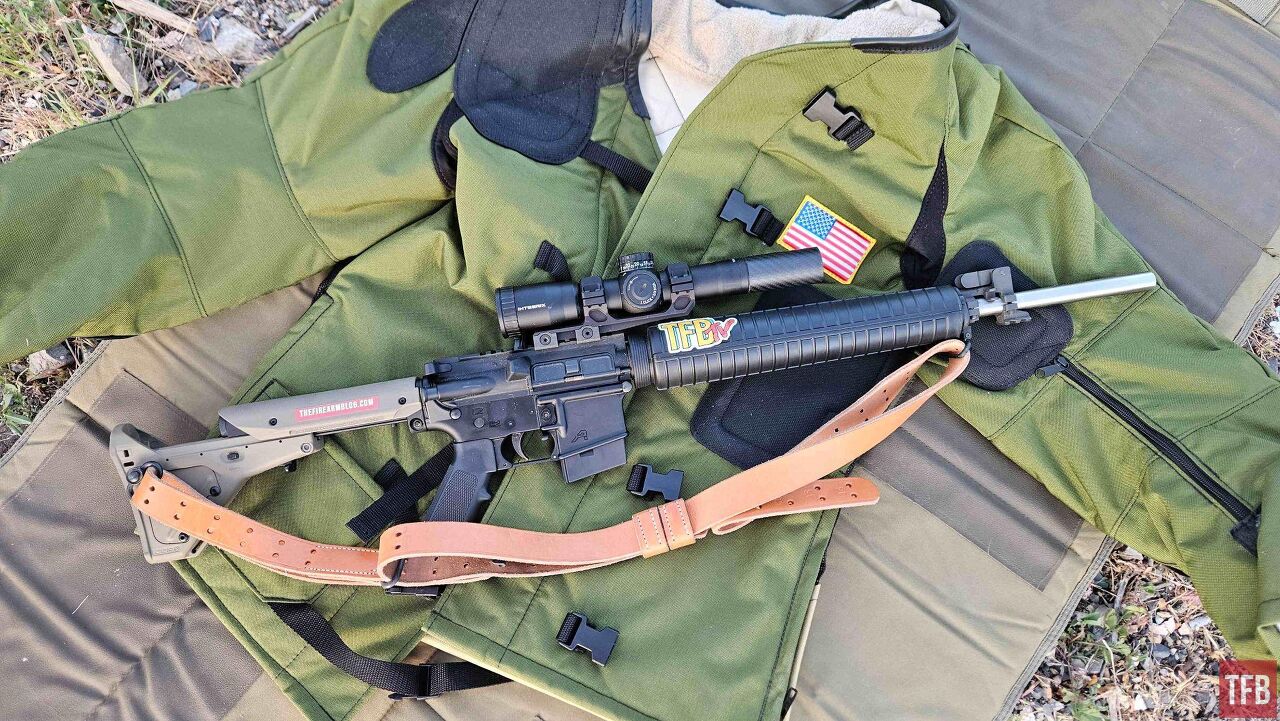
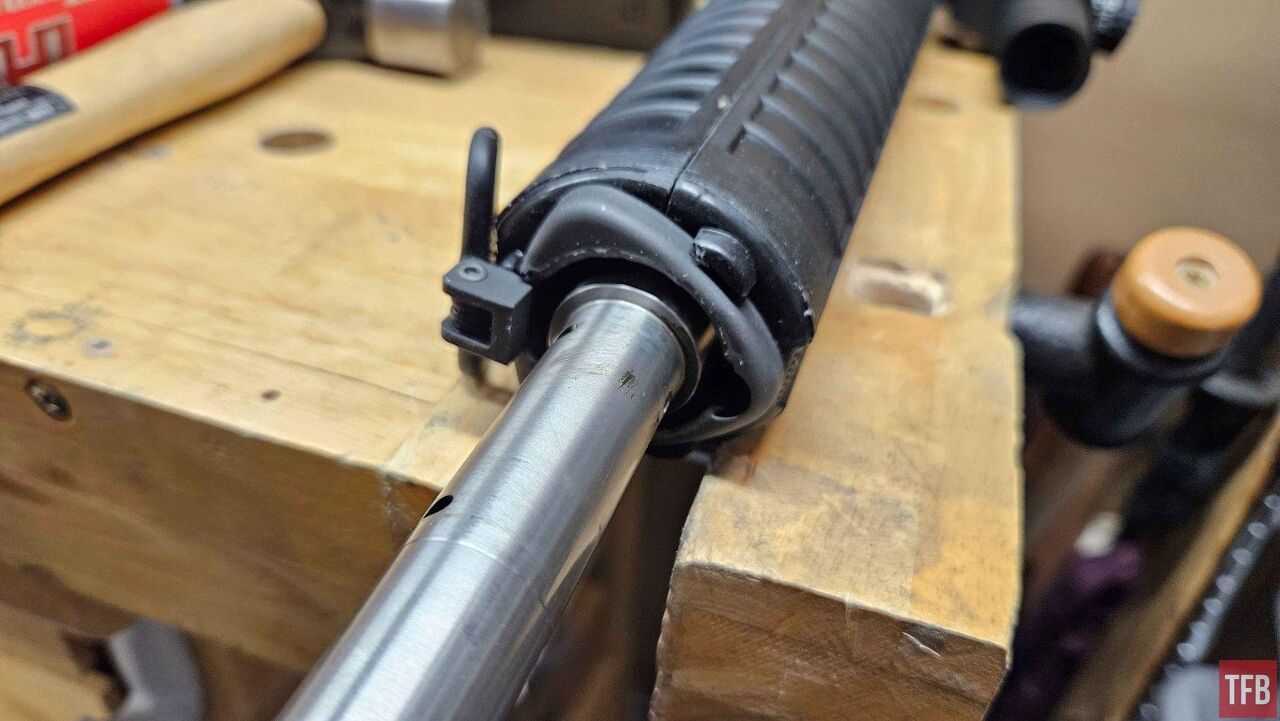
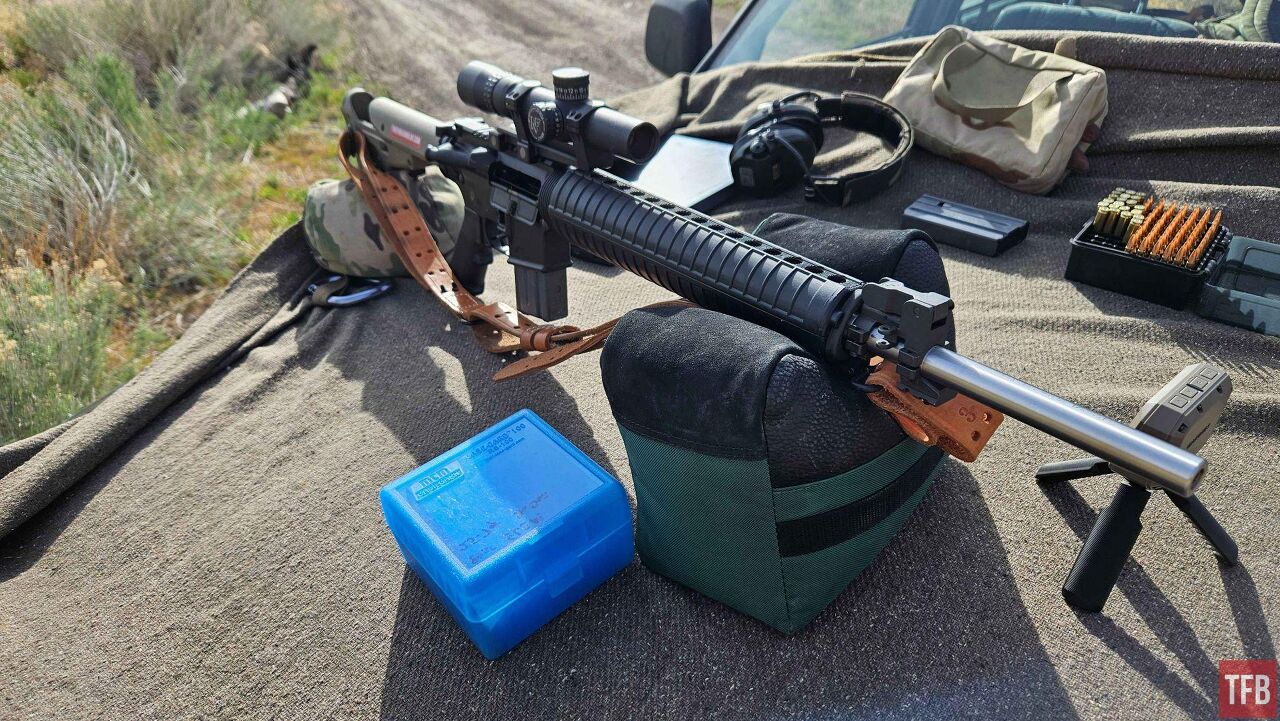
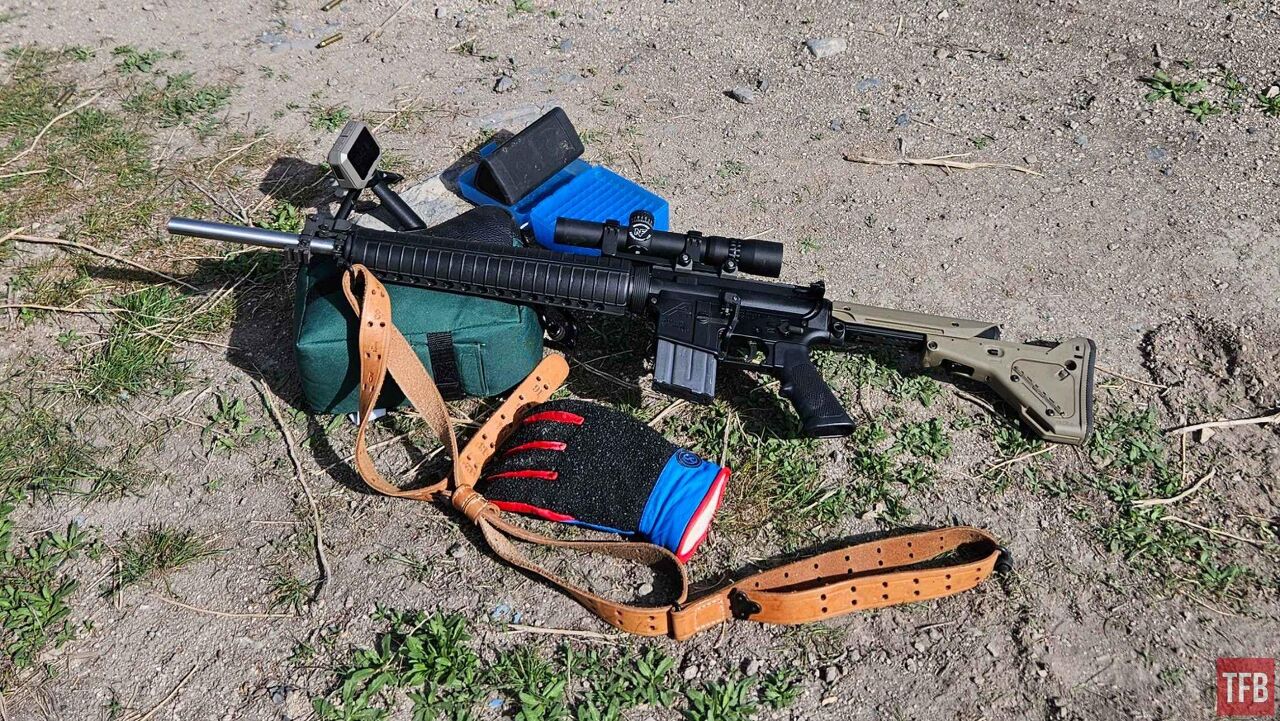
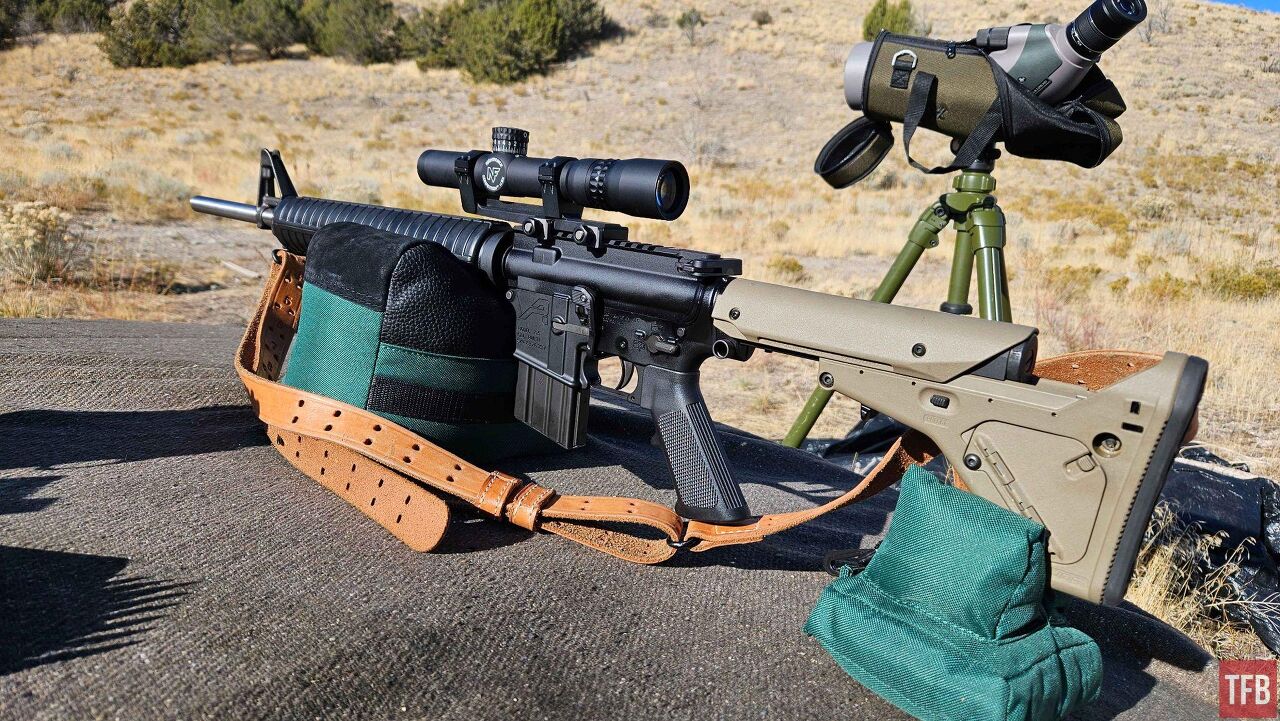
The heart of this upper is a ⅛ twist stainless steel barrel. The handguards may look like traditional A2-style clamshells, but they conceal a steel free-float tube. This offers a comfortable gripping surface while still protecting the barrel from the strain and deflection of supporting the gun with a sling. The charging handle and bolt carrier group were also included.
Gas Block Swap
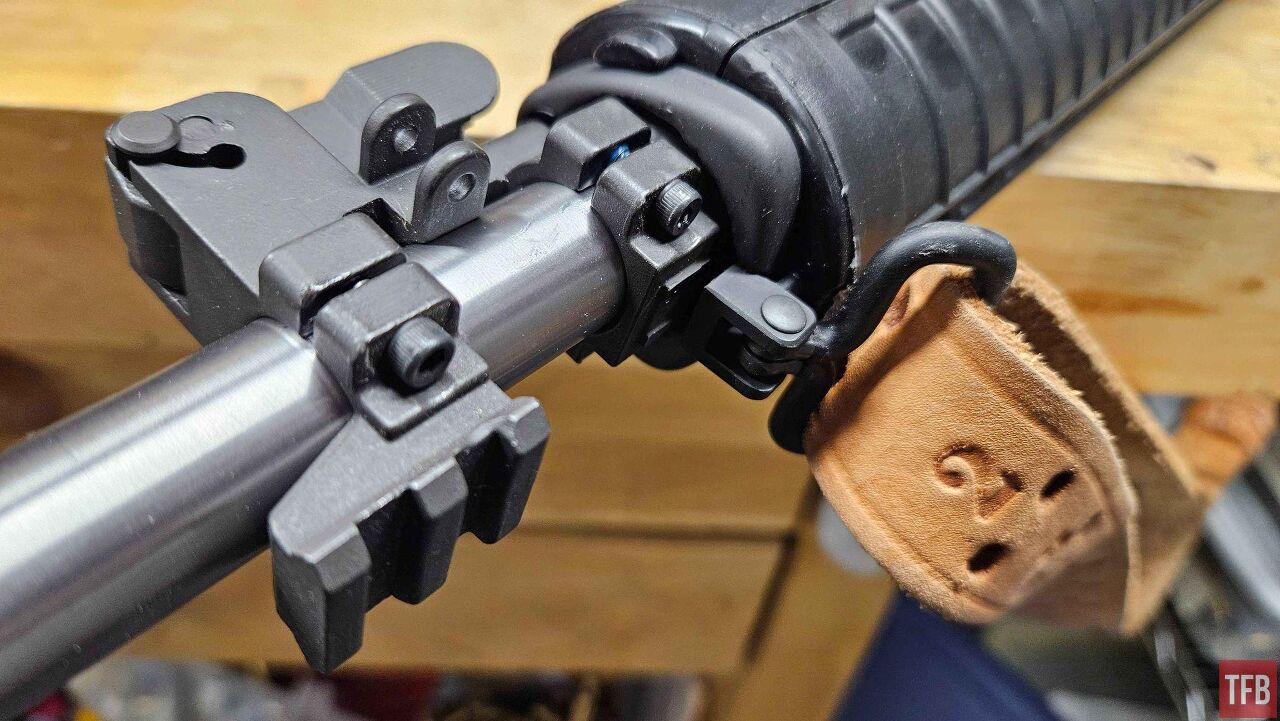
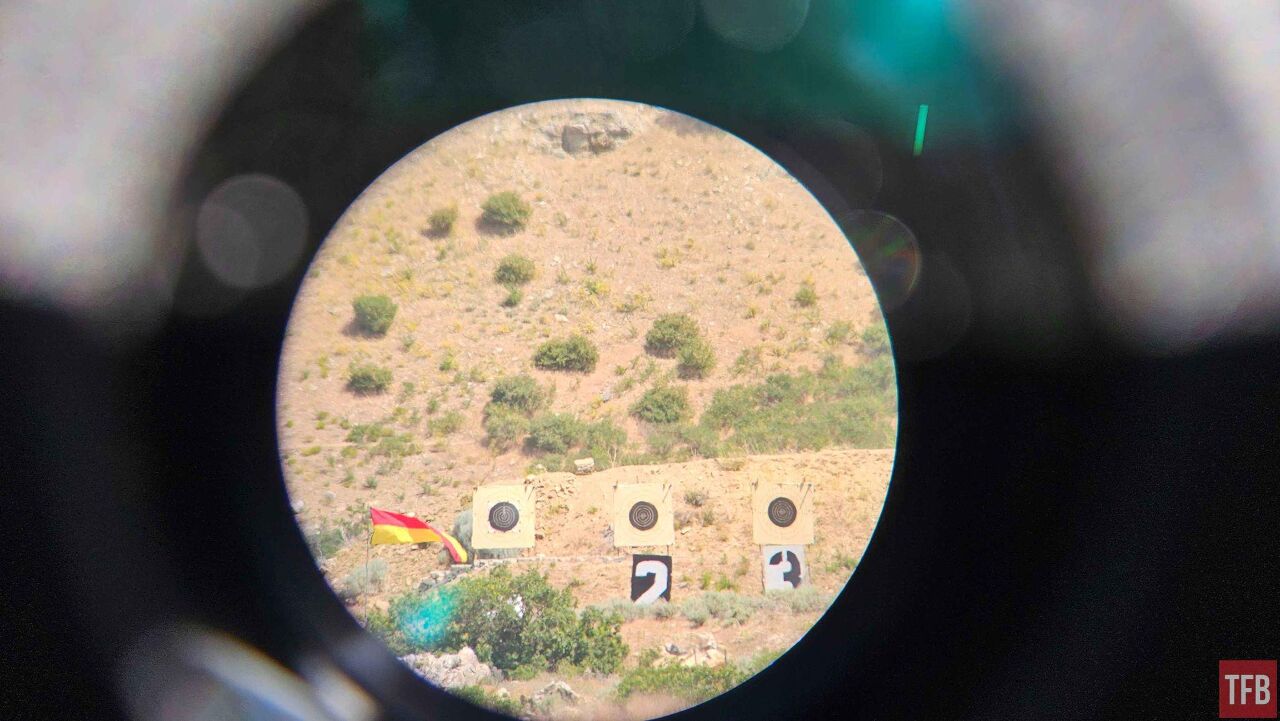
After my first outing to break in the barrel and see how this upper shot, I realized that the front sight would have to go. The fixed front sight did show up in the scope, and it was annoying enough that I wanted to change it. I had a spare gas block with a flip-up front sight in my parts bin, so I set to work swapping it onto the gun.
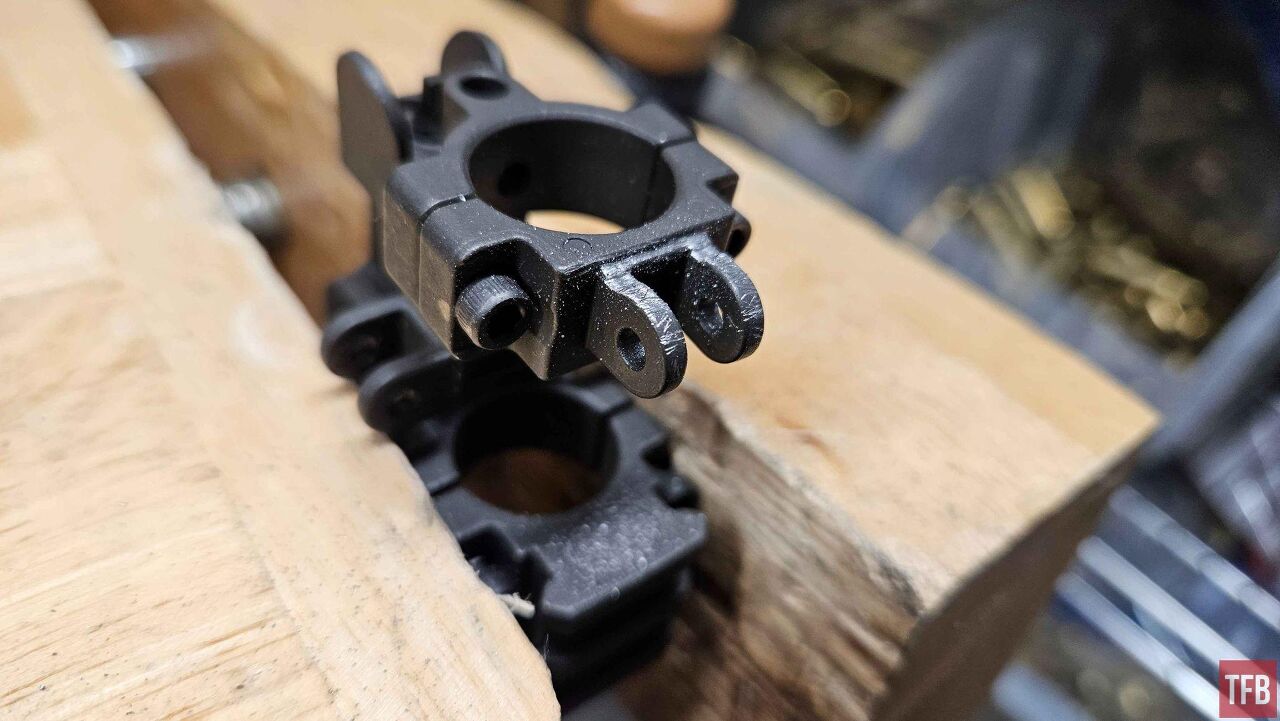
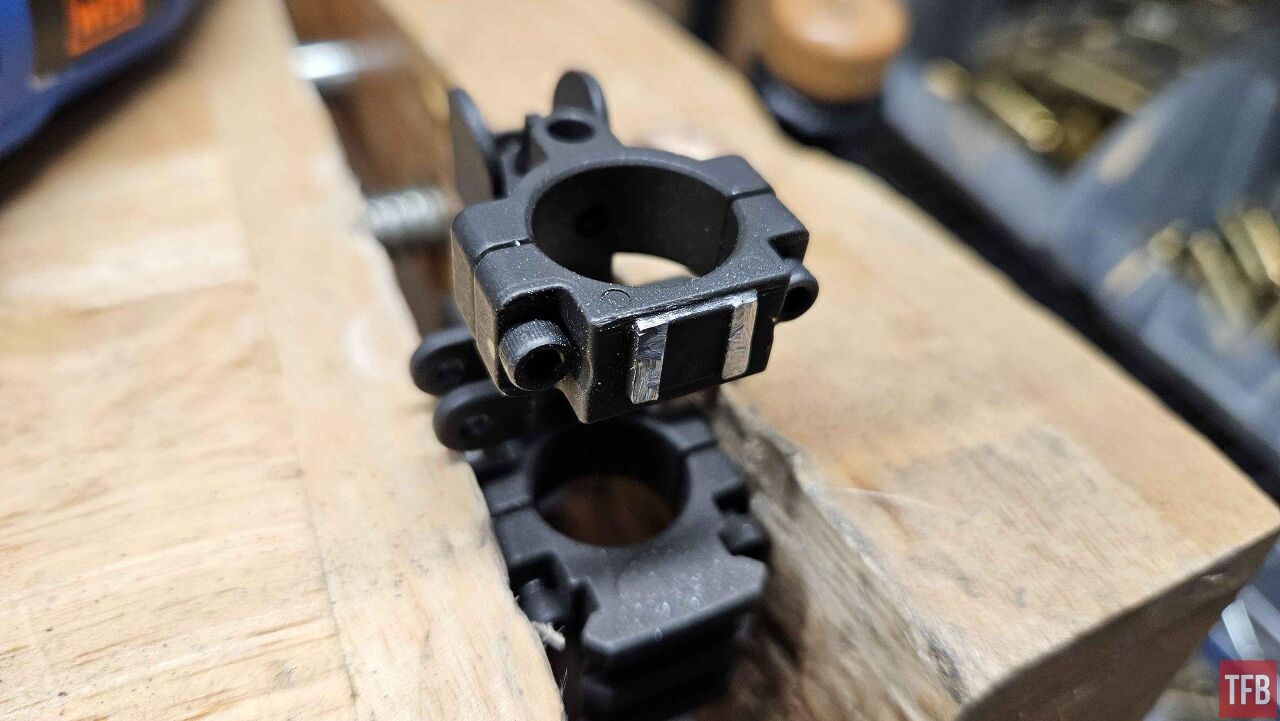
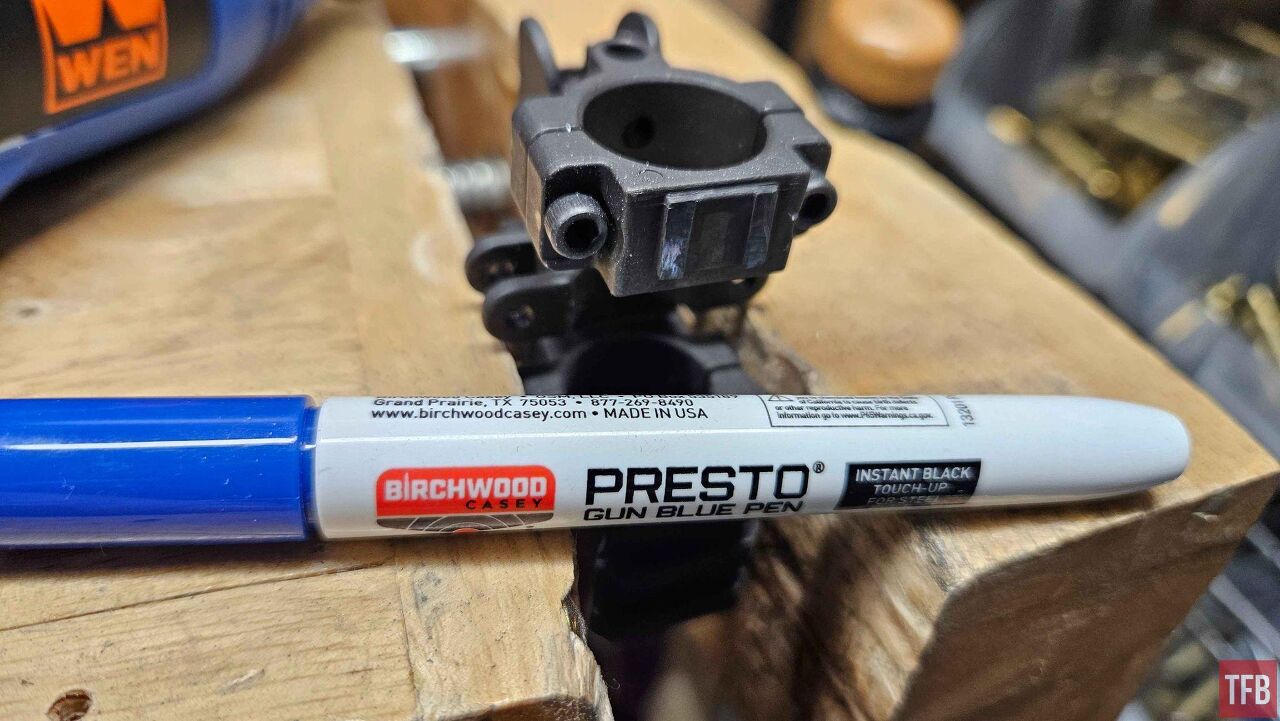
Removing the FSB was as simple as hammering out the tapered pins and sliding it off the barrel. But getting the new gas block in place was a little trickier. The float tube handguard includes the sling mount, which sits forward under the gas block. The new flip-up unit had ears for a sling loop that interfered. So, like any good garage gunsmith, I got out my Dremel and cut them off, then re-blued the surface with a touch-up pen. One note is that I always use thread locker on these clamp-on gas blocks. If the screws back out, it can disable the gun, so some extra insurance on top of proper torque is worthwhile.
On The Range
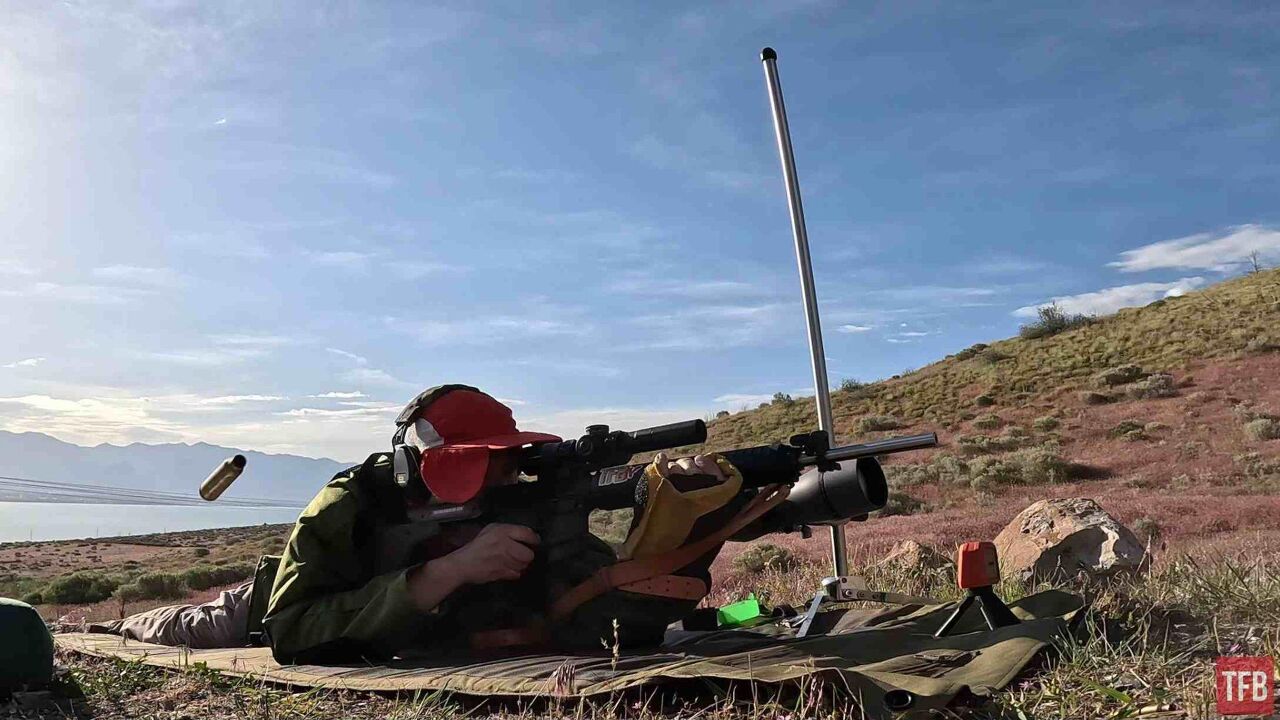
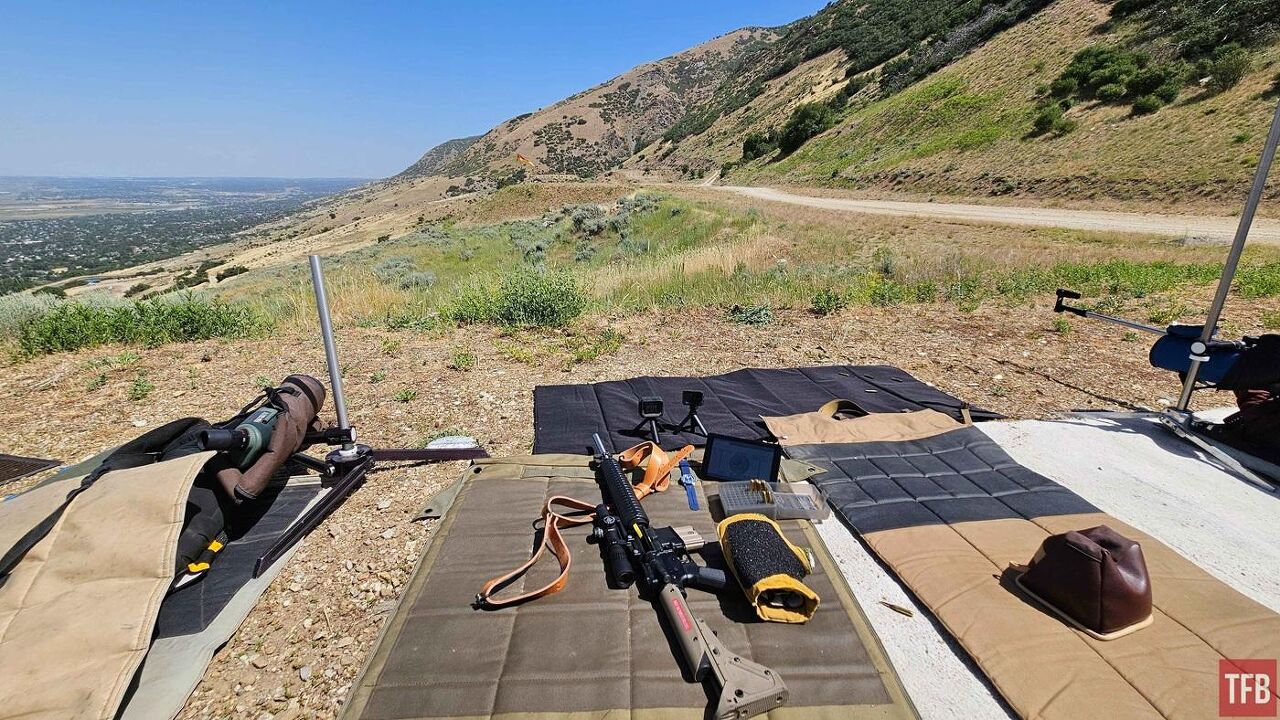
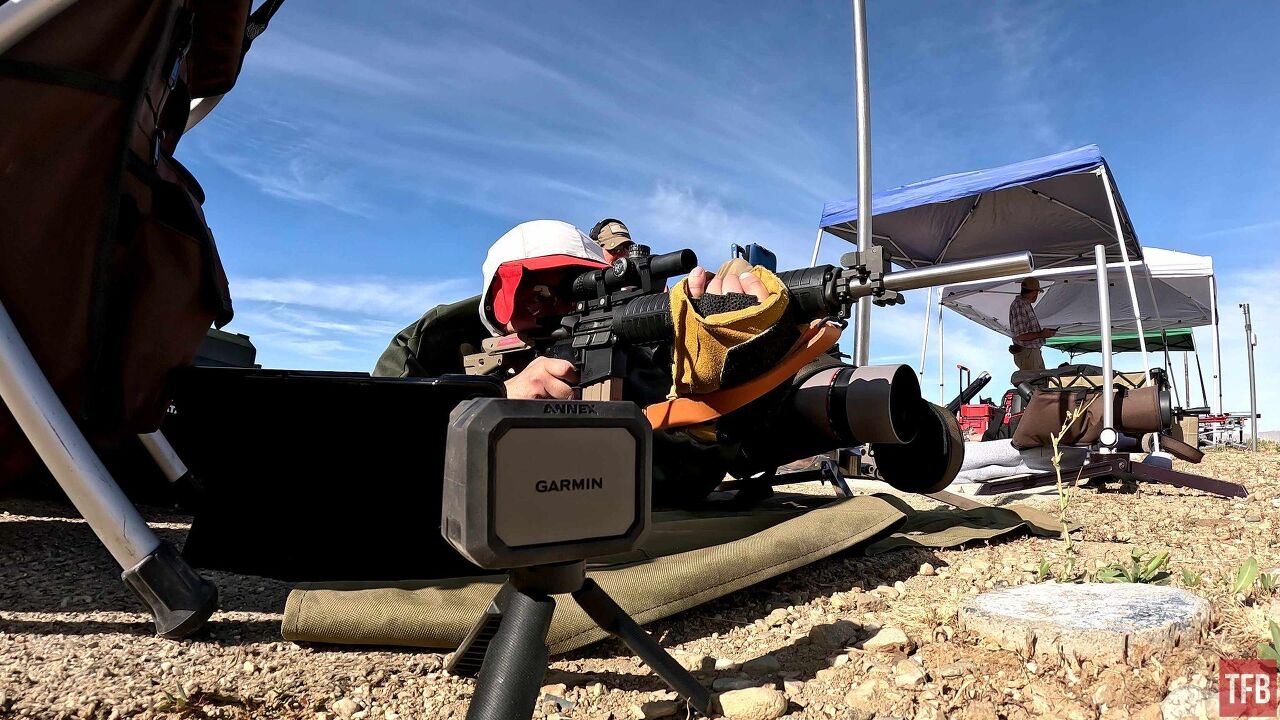
Zeroing and test firing were uneventful, both with the original fixed front sight and the replacement flip-up gas block. I try to avoid load development work as much as I can for service rifle use. My go-to load of about a max charge of Varget, LC brass, a Federal 205 Match AR primer, and a 77-grain Matchking shoots just under an inch at 100 yards for ten rounds. Rock River promises ¾ MOA groups, and that's very possible for 5-rounds and happens occasionally with ten.
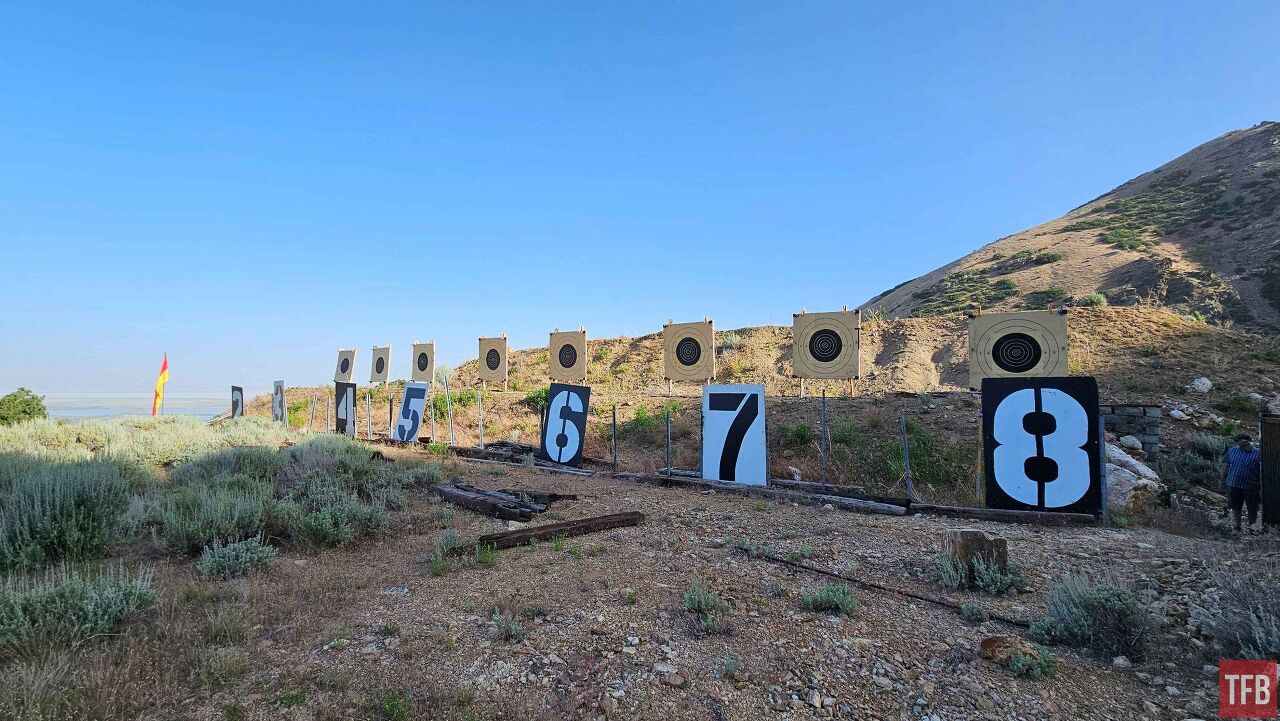
The targets used in service rifle are traditional bullseyes. These days, electronic scoring replaces sitting in the pits to manually score the targets, but the score calculation remains the same. Each shot is scored from zero to ten, depending on the ring it lands in. The ten ring is 7 inches at 200 yards (3.5 MOA) and 300 yards (2.3 MOA), and 12 inches at 600 yards (2 MOA). So a perfect score is theoretically possible with a 2 MOA gun, but in reality, it needs to be much better because humans are not perfectly stable and there is wind to deal with. The X-ring still scores as ten points, but adds a bonus toward the tiebreaker. A score of 469-24X loses to a 470-0X, but beats a 469-3X.23X.
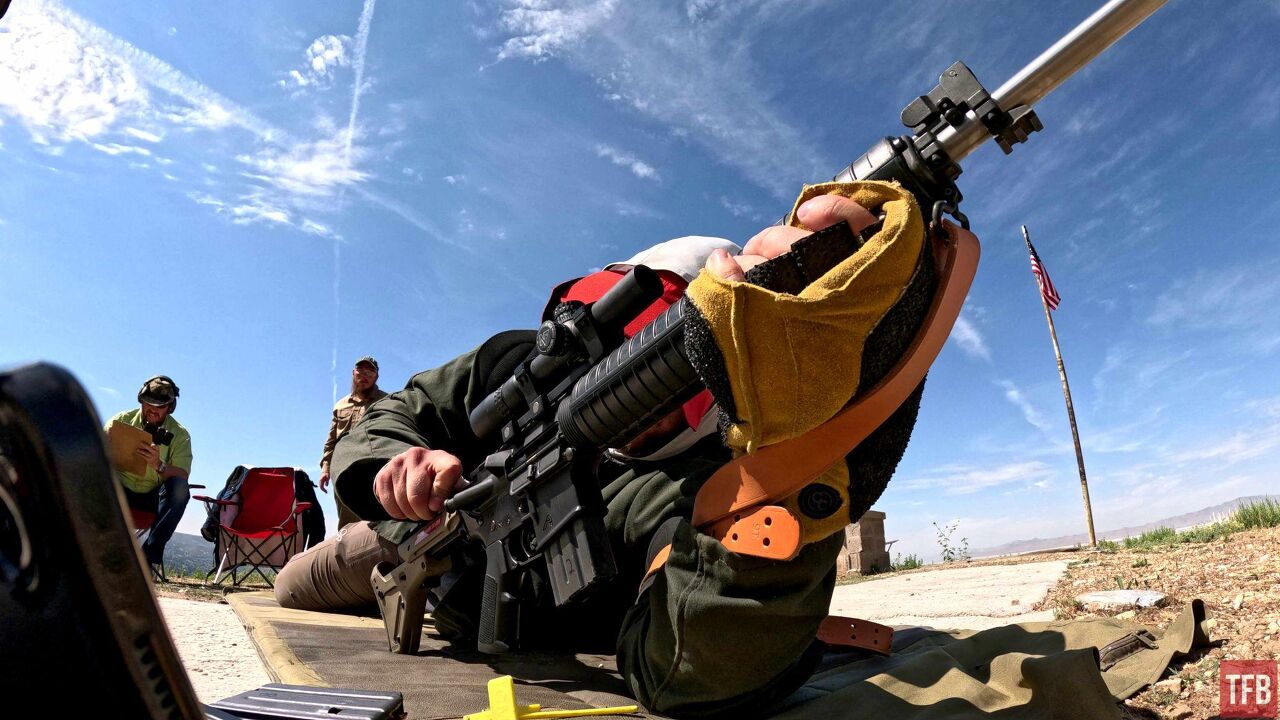
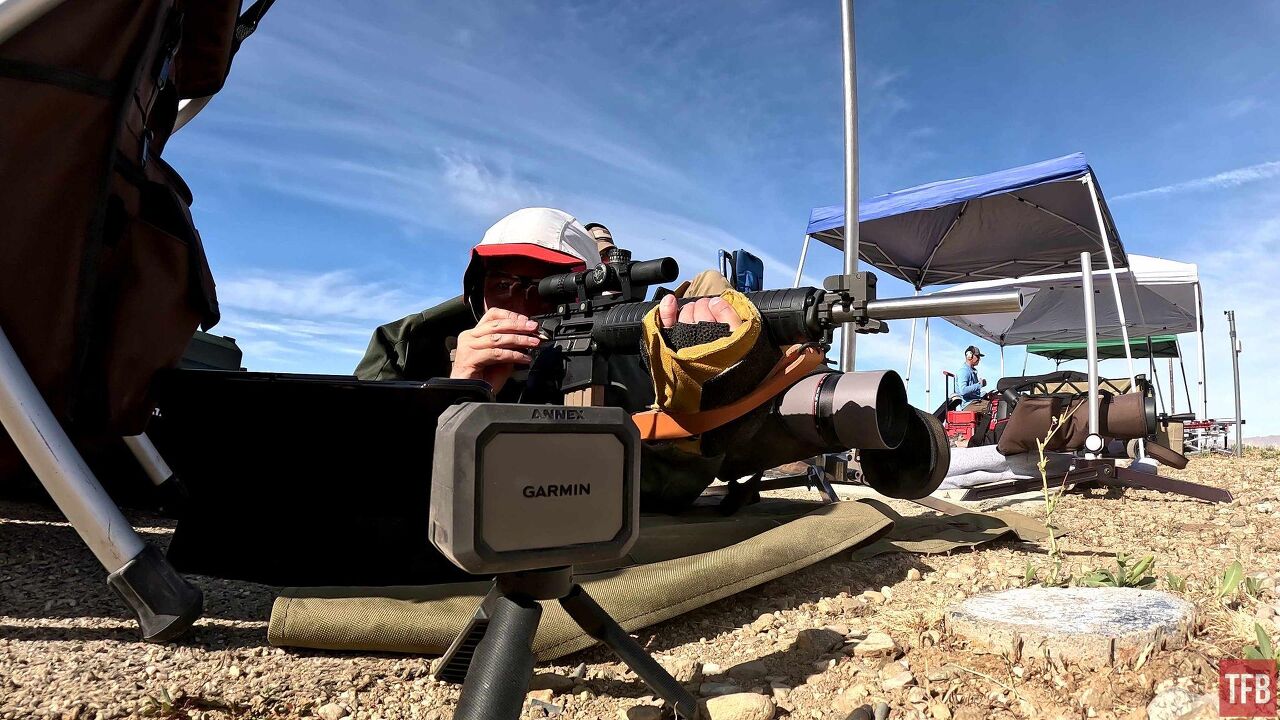
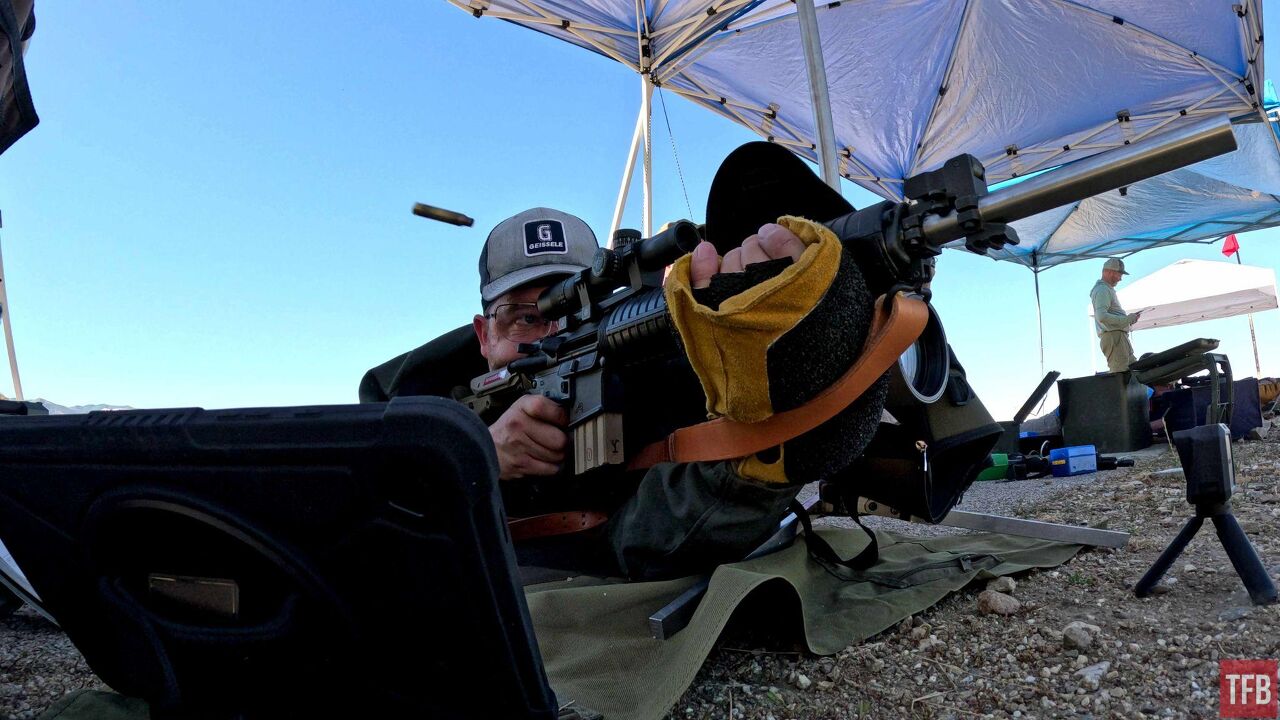
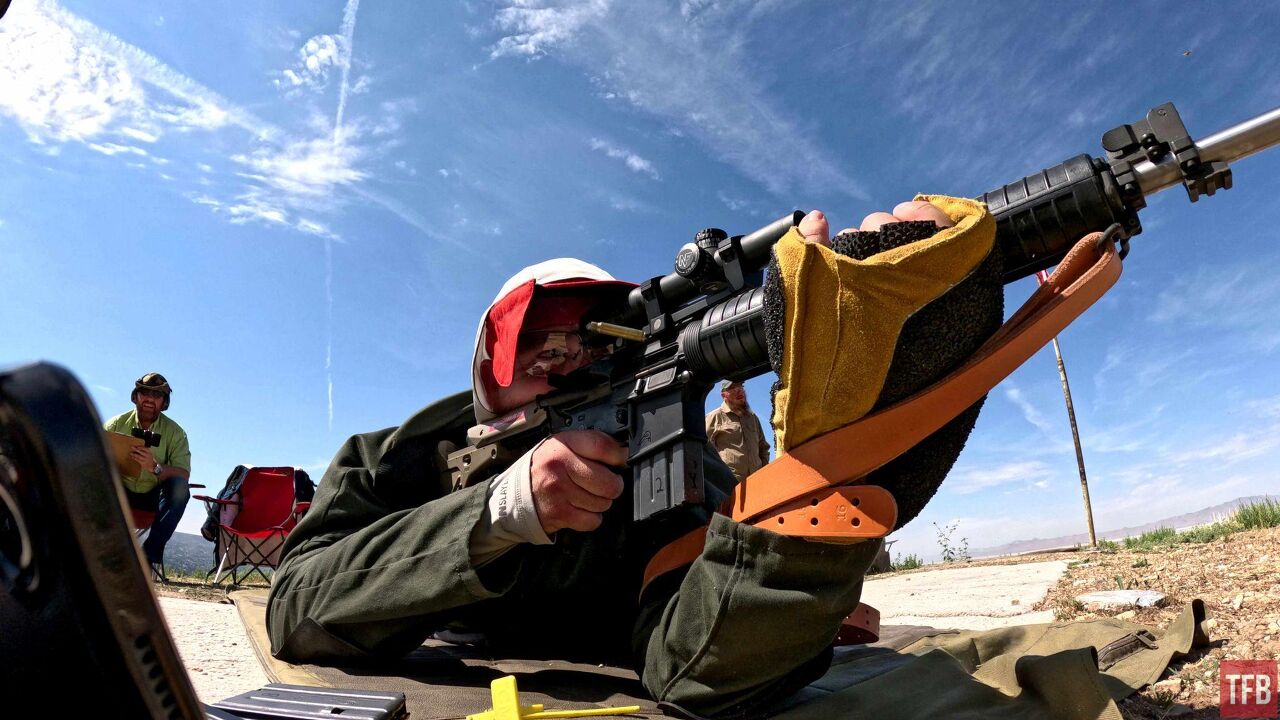
The course of fire for these matches starts with slow fire (aka single loading) standing unsupported at 200 yards. Next comes rapid fire at 200 yards in the sitting position, ten rounds with a reload in 60 seconds. Then, at 300 yards, the rapid-fire prone stage, again ten rounds with a reload but in 70 seconds. Finally, there are 20 rounds of slow fire from the prone position at 600 yards. Most matches are 20 shots for score fired in each of those stages for a total of 80 shots (plus two sighter shots at each stage) and a maximum score of 800. Matches to win points toward the rank of Distinguished Rifleman are ten shots in each stage except for the 600-yard line, which is still 20 shots. No sighter shots are allowed, and in the rapid fire stages the shooters must start out in the standing position before dropping into the firing position on the clock.
In all of those stages, the RRA National Match upper was more than up to the task. Reliability was great with both 77-grain ammo loaded to magazine length and the 80.5-grain Berger Fullbore bullet loaded for the 600-yard line. The 80-grain Sierra Matchking also shoots well, but I have had better luck in competition with the Berger Fullbore.
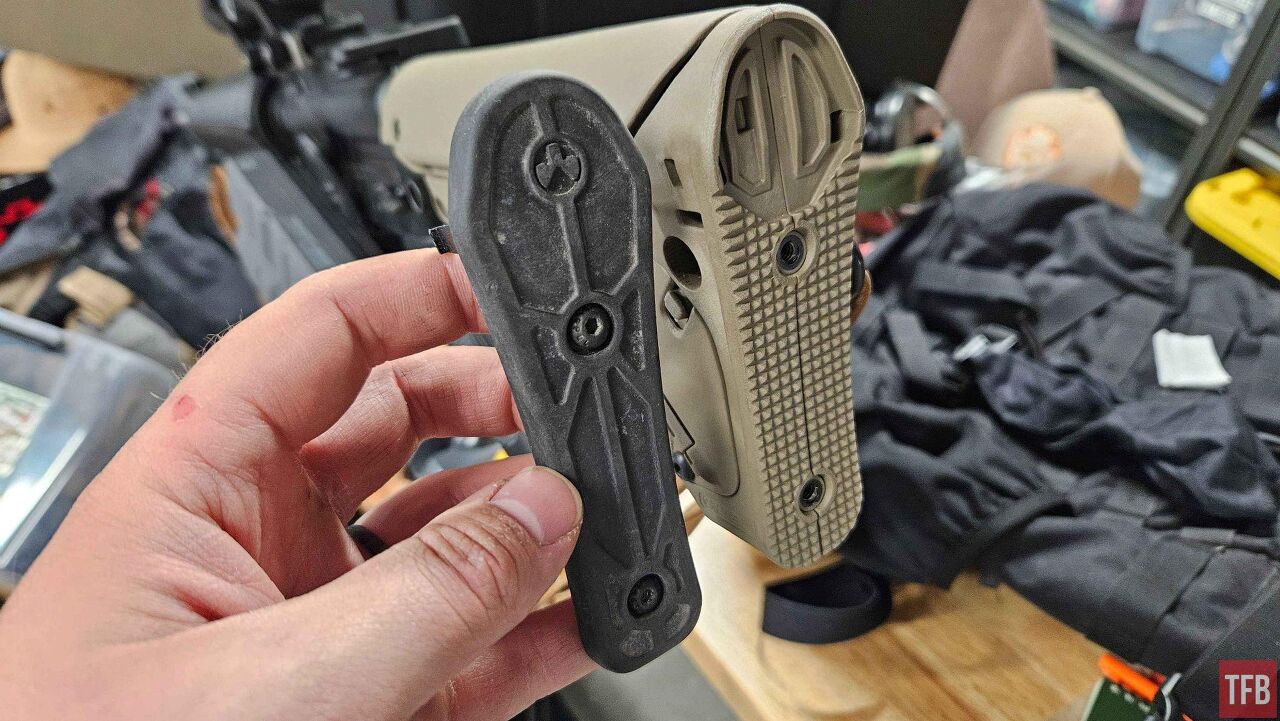
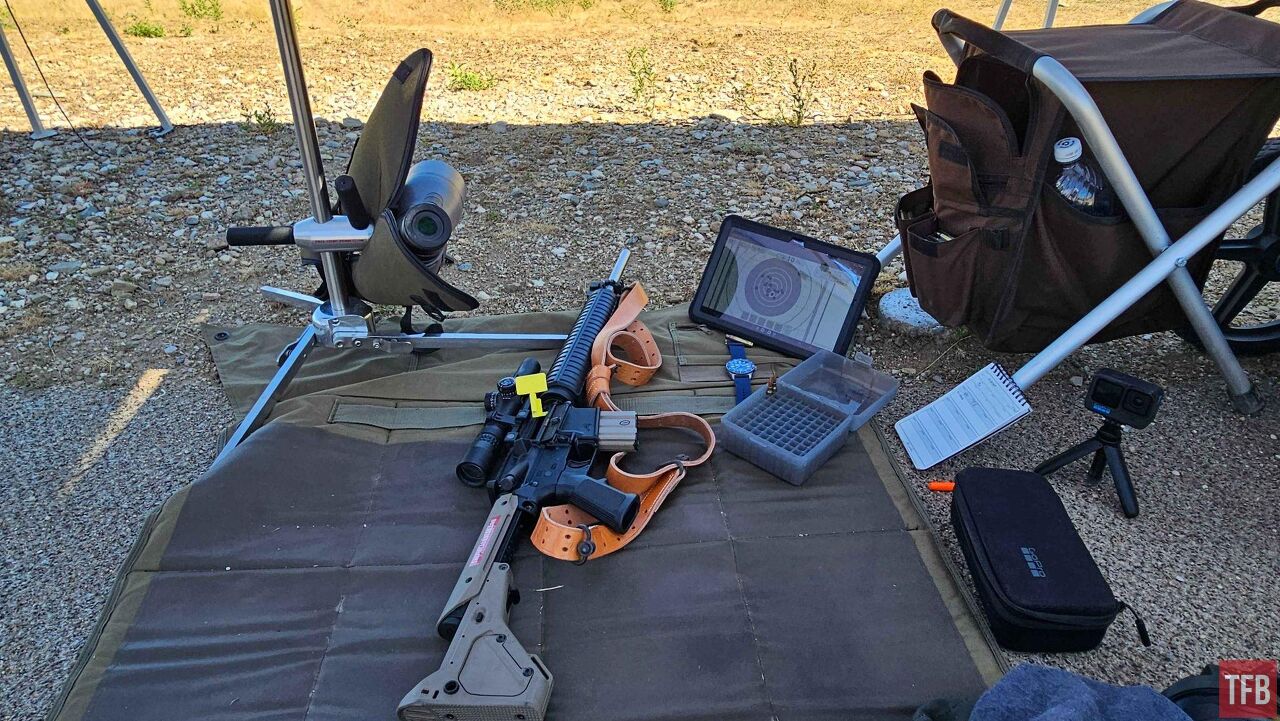
One aside that deserves a mention is the stock. The Magpul UBR seems to be the popular option for those who use an adjustable stock in this game. My good friends at Gallenson’s Guns hooked me up with a new old stock Gen 1 model. I loved being able to adjust the length between positions, but found that the stock was too slippery. I was looking at adding skateboard tape or something to add more grip, then I realized that if the rubber buttpad is removed, it has texture reminiscent of the A2 stock.
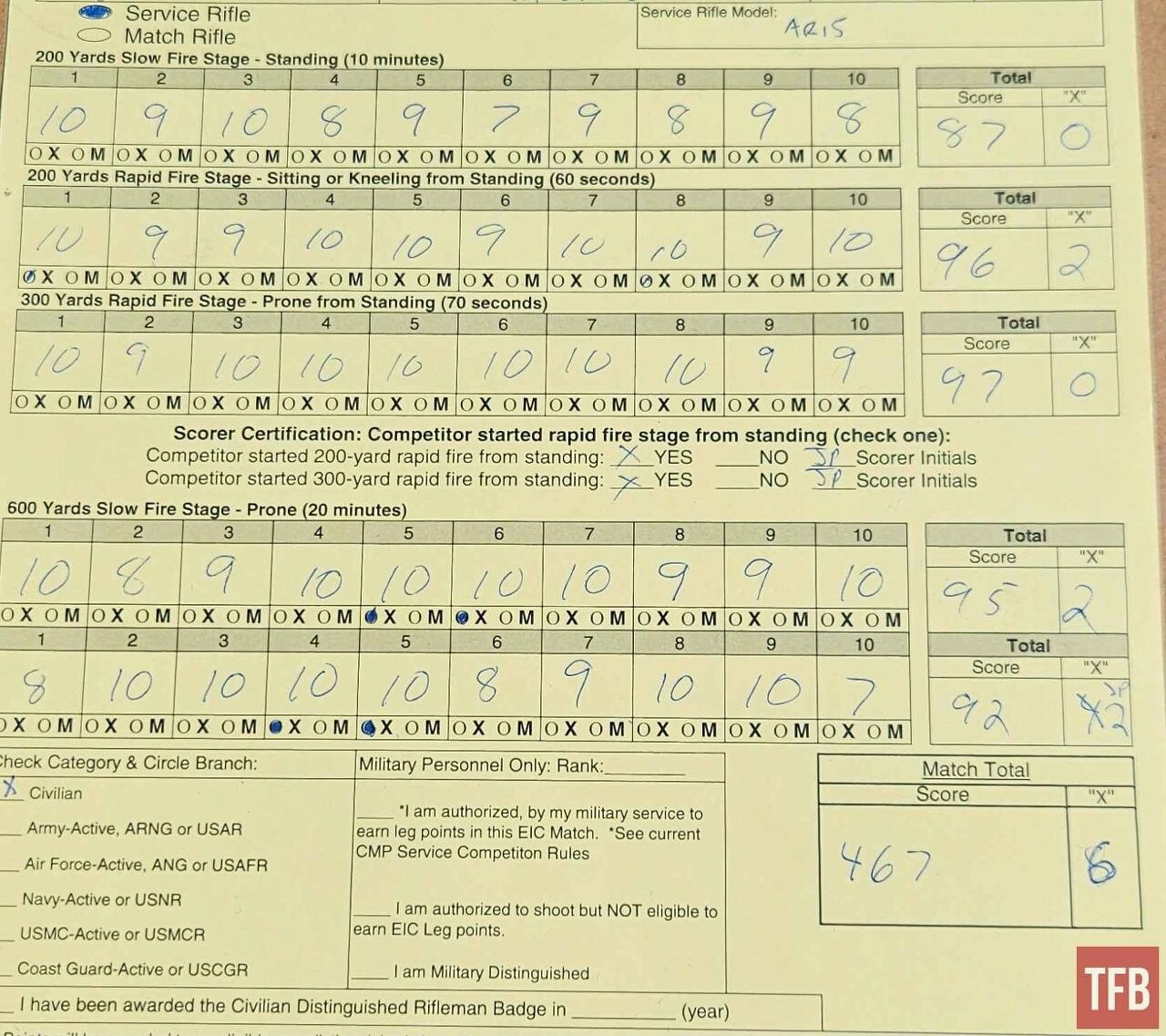
I have shot the Rock River National Match upper in half a dozen across the course and midrange matches. At no point has it been the thing that caused me to lose a point. Those were all my fault. The highlight of shooting this upper was a recent EIC leg match, where I was able to bring home some leg points with a 467-6X in some tricky wind conditions.
Conclusion
Rock River knows how to make an accurate AR upper without breaking the bank. It is hard to get more capability per dollar than these uppers offer. Higher-end options with features like gain twist may offer slightly better accuracy, but for most use cases there is little need for that. If you want to try your hand at service rifle competition, the National Match upper is a great out-of-the-box option. I have no regrets with this purchase.