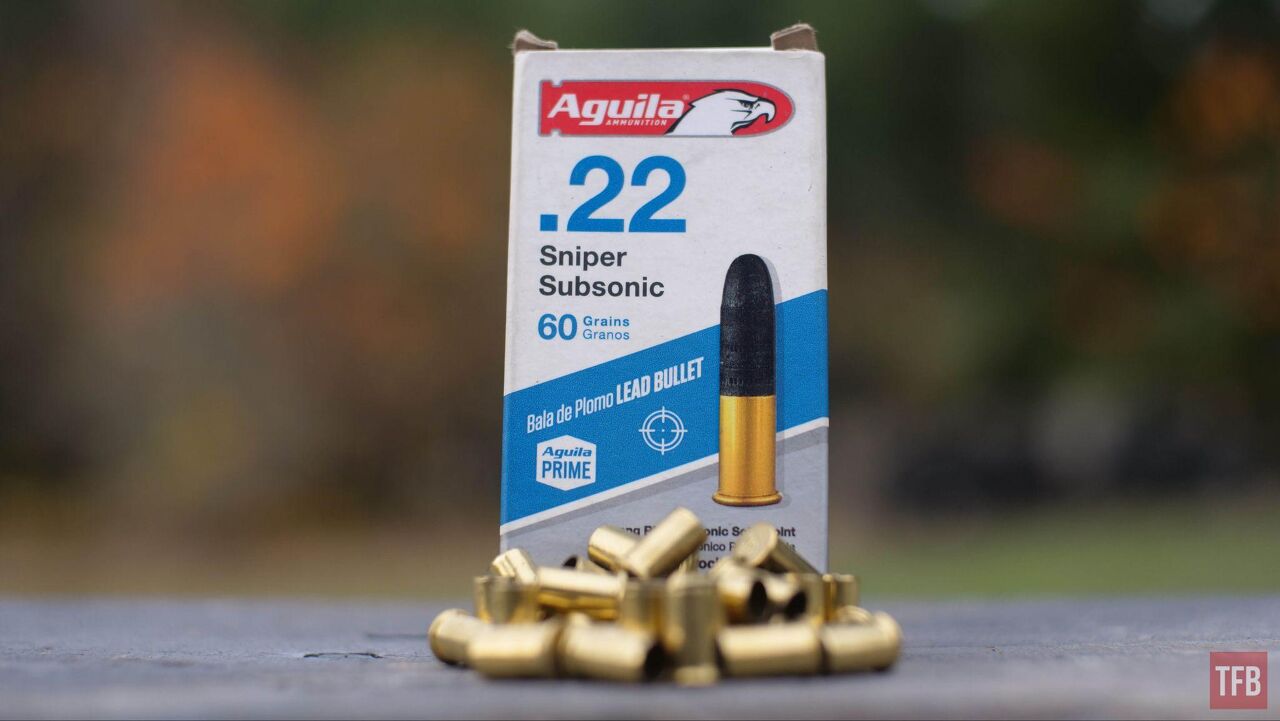
Outside of shooting subsonic rimfire, shooting subsonic .300 Blackout is probably one of my favorite things to plink or train with. The combination of a hearing-safe load and the subsequent impact noises just amplifies the fun I’m already having. The 200- and 220-grain subsonic loads that make .300 BLK so popular also sort of exist in the rimfire world, just on a much smaller scale. For years, Aguila’s Sniper Subsonic has quietly sat on store shelves and online, a 60-grain lead bullet with subsonic performance that works in a lot of semi-auto firearms. With 50 percent more bullet than a standard 40-grain load and 15 grains more than CCI’s 45-grain Suppressor loads I like so much, you can imagine that this weird combo has some interesting characteristics. I’ve been saving my last box before a reorder for testing, so today we’ll go over my observations as we run it through our usual test series.
More Rimfire Report @ TFB:
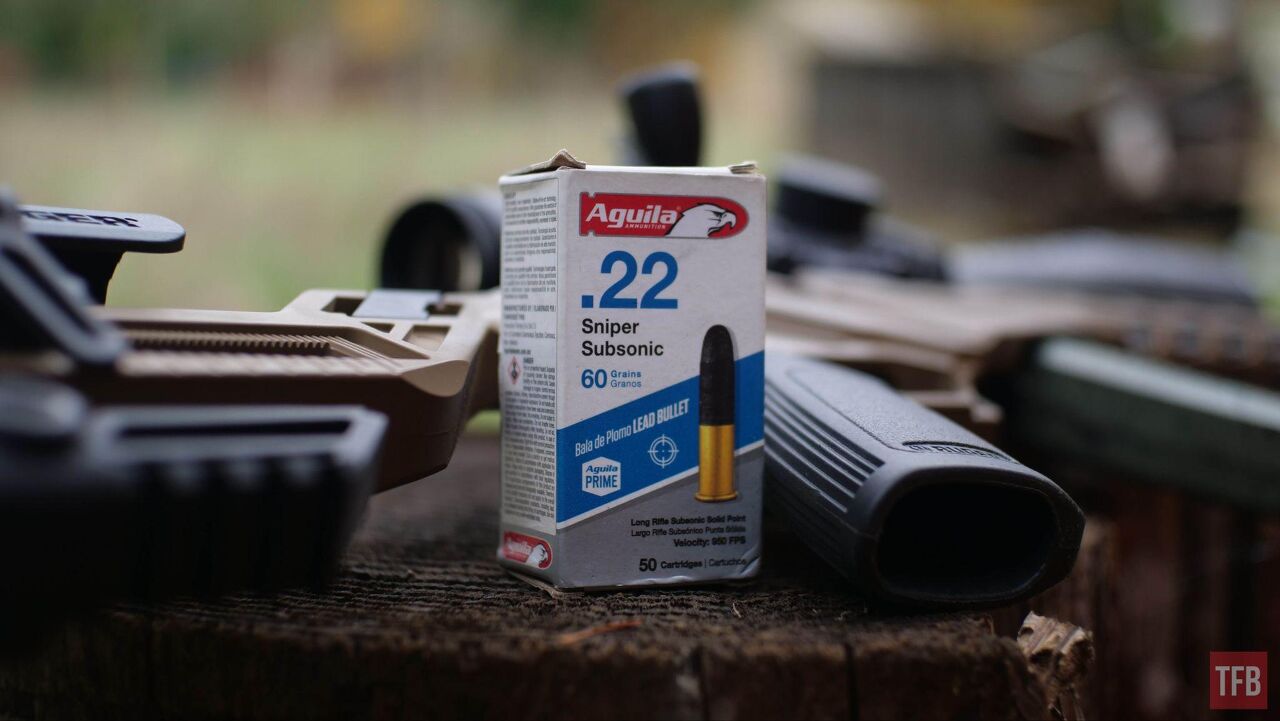
Aguila Sniper Subsonic Specs
Product Link: https://aguilaammo.com/products/22-sniper-subsonic-long-rifle-subsonic-lead-solid-point
FOR WHEN ACCURACY MATTERS MOST. Featuring a 60-grain lead bullet on a short case, the cartridge has the same overall dimensions and energy equivalent to a standard 22 long rifle round. The faster barrel twist of the projectile ensures accuracy for target shooting and small-game hunting without excessive noise. Recommended for use in barrels with twist rates of 1:12" or faster.
- Part number: 1B220112
- Caliber: .22 LR
- Bullet: 60-grain Lead Solid Point
- Muzzle velocity: 950 fps
- Muzzle energy: 120 ft-lbs
- Velocity at 100 yards: 848 fps
- Energy at 100 yards: 96 ft-lbs
- Application: Target/Range
- Recommended twist: 1:12 or faster
- Package quantity: 50 per box, 1,000 per case
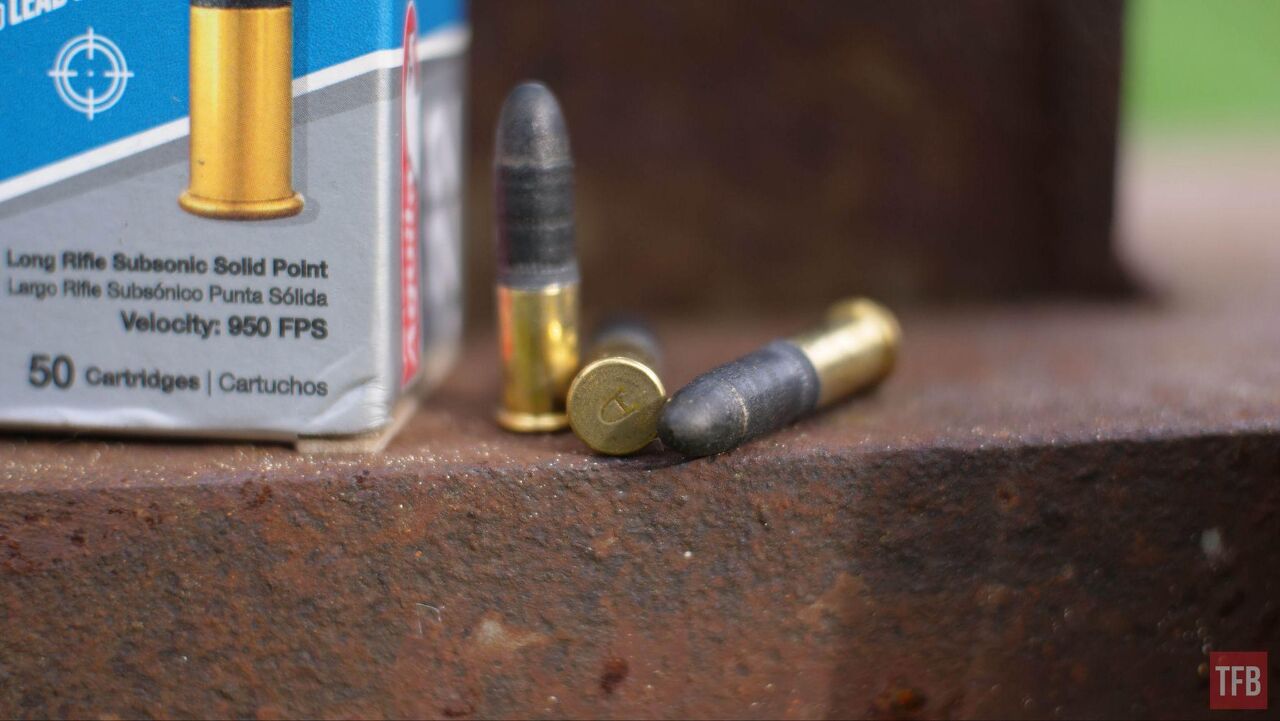
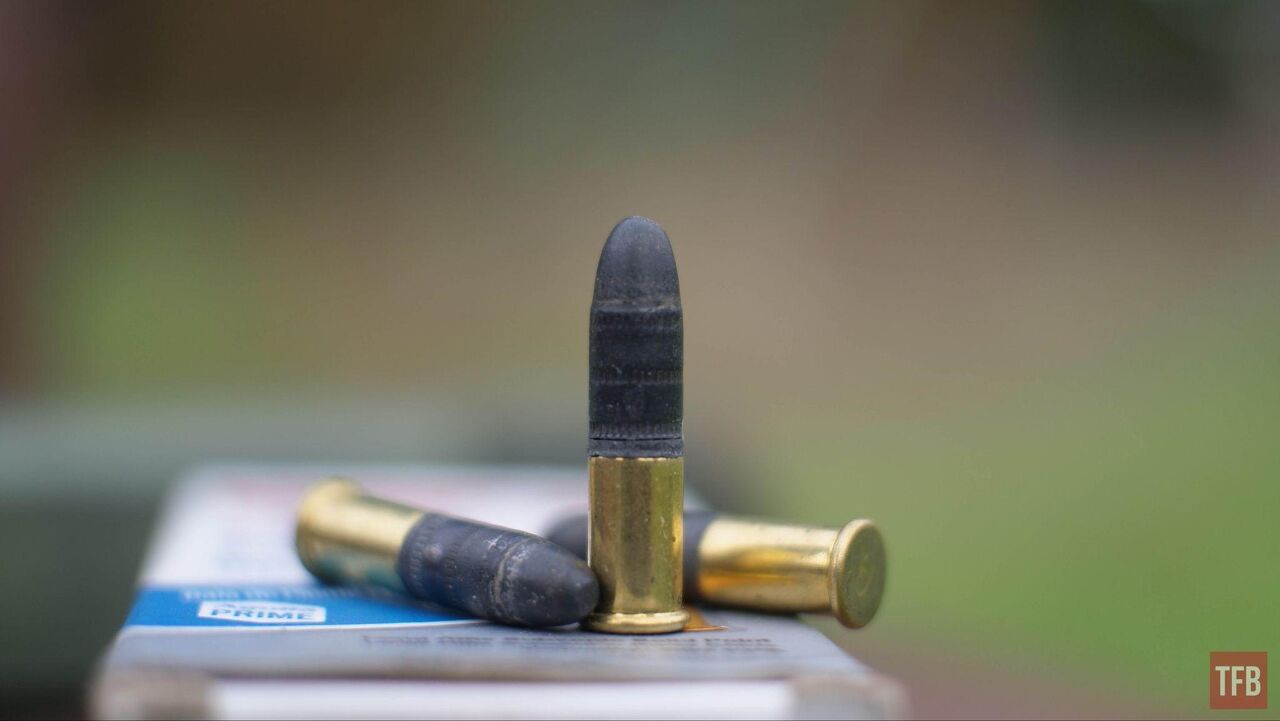
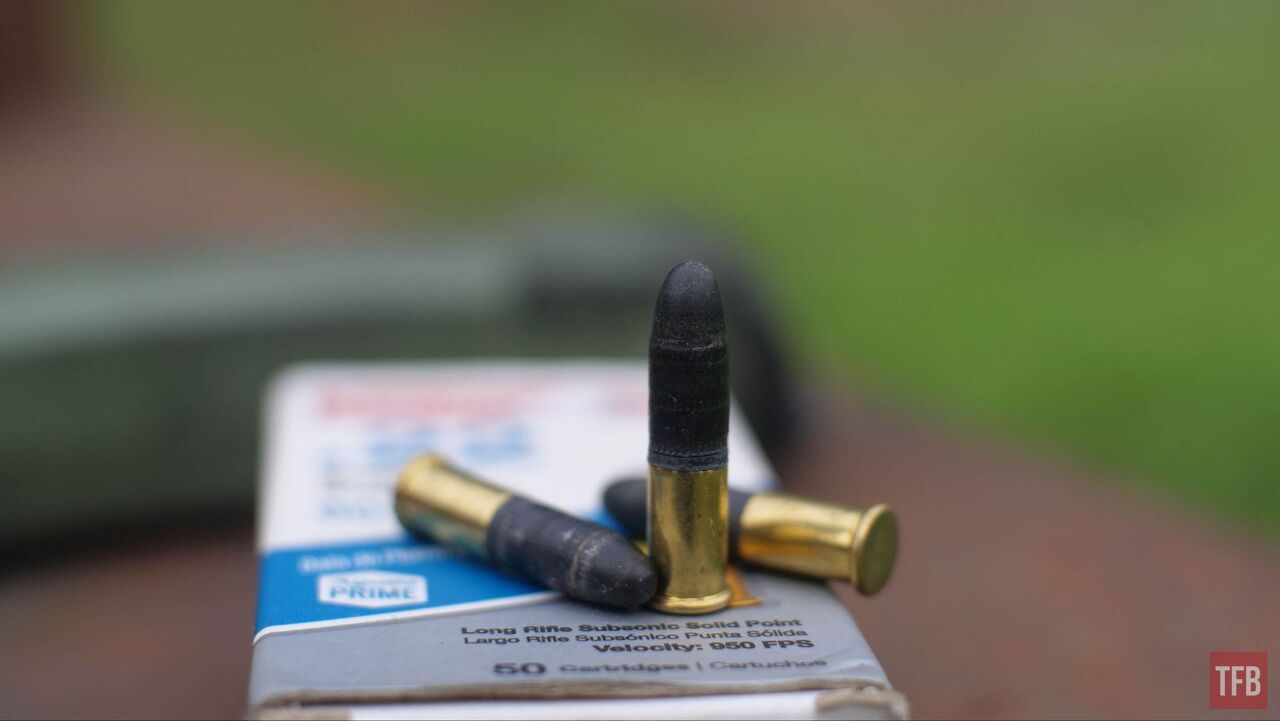
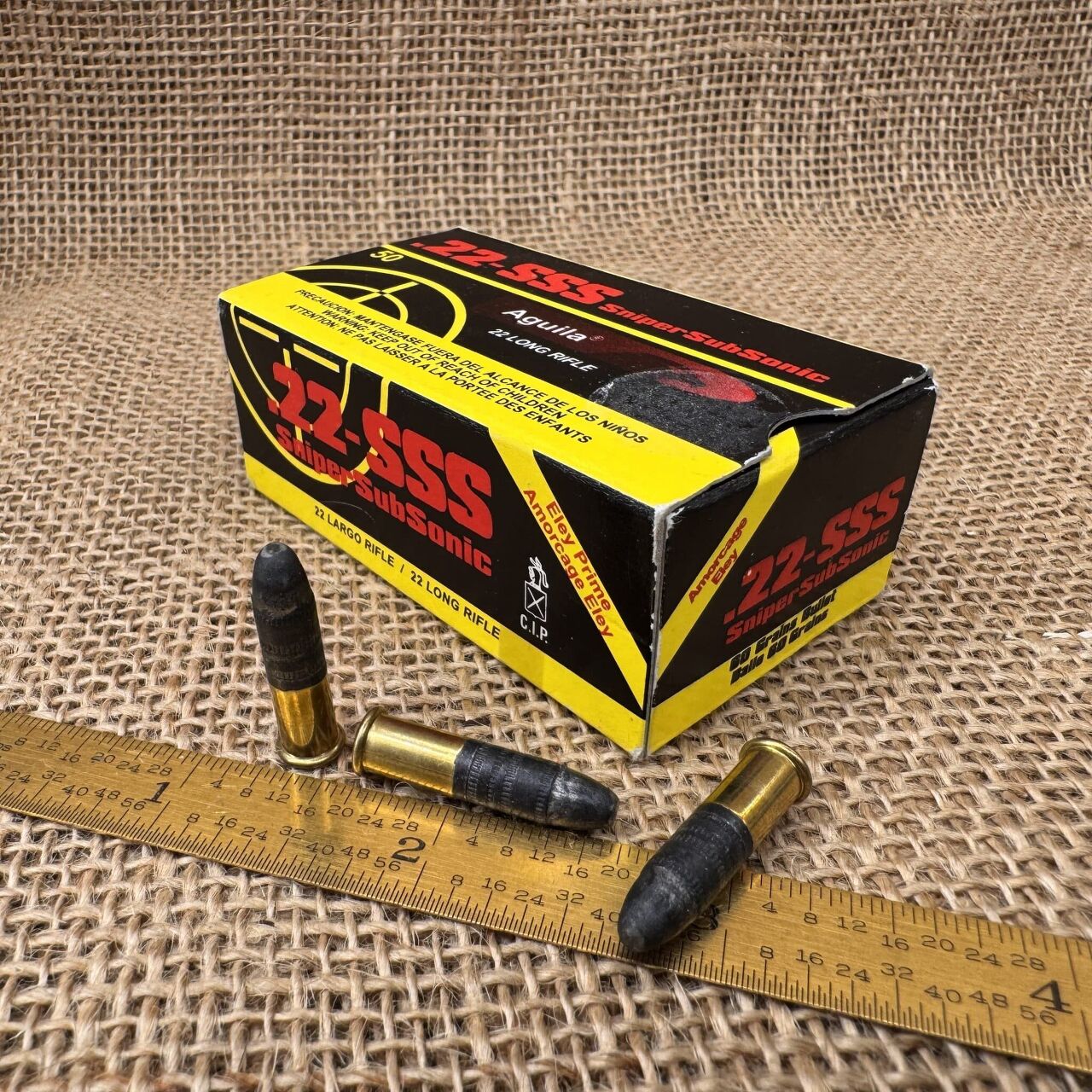
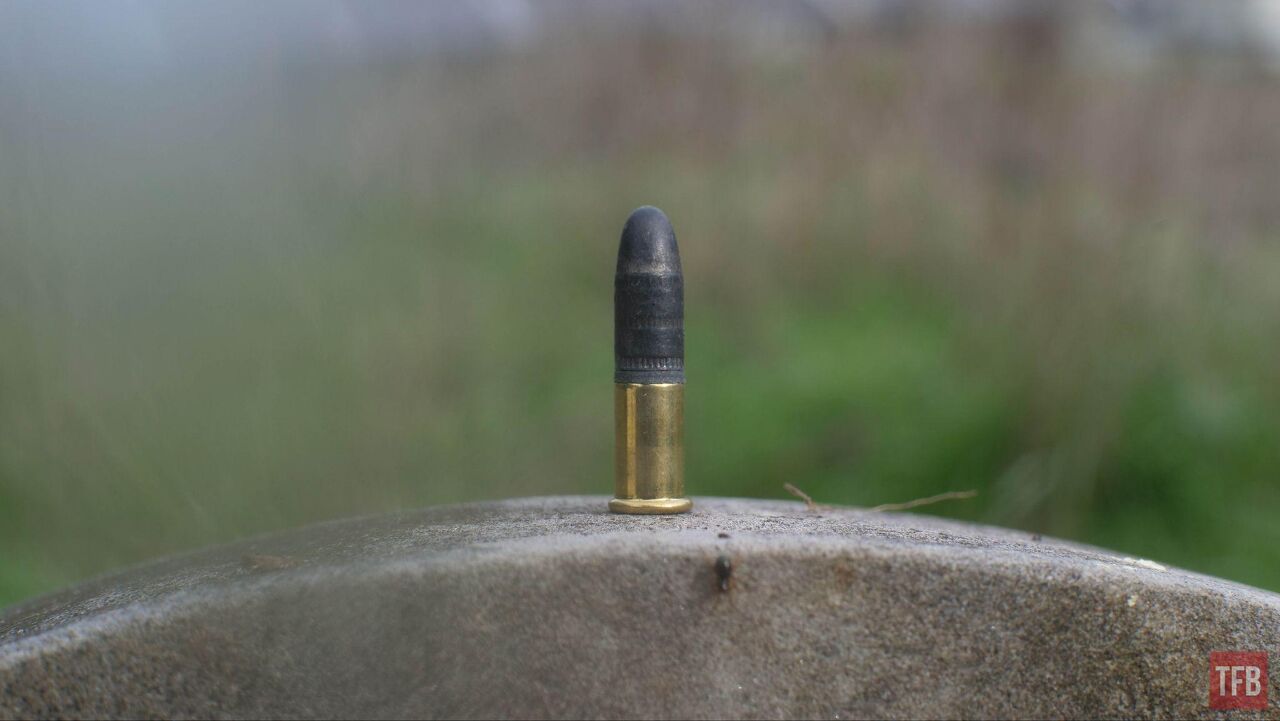
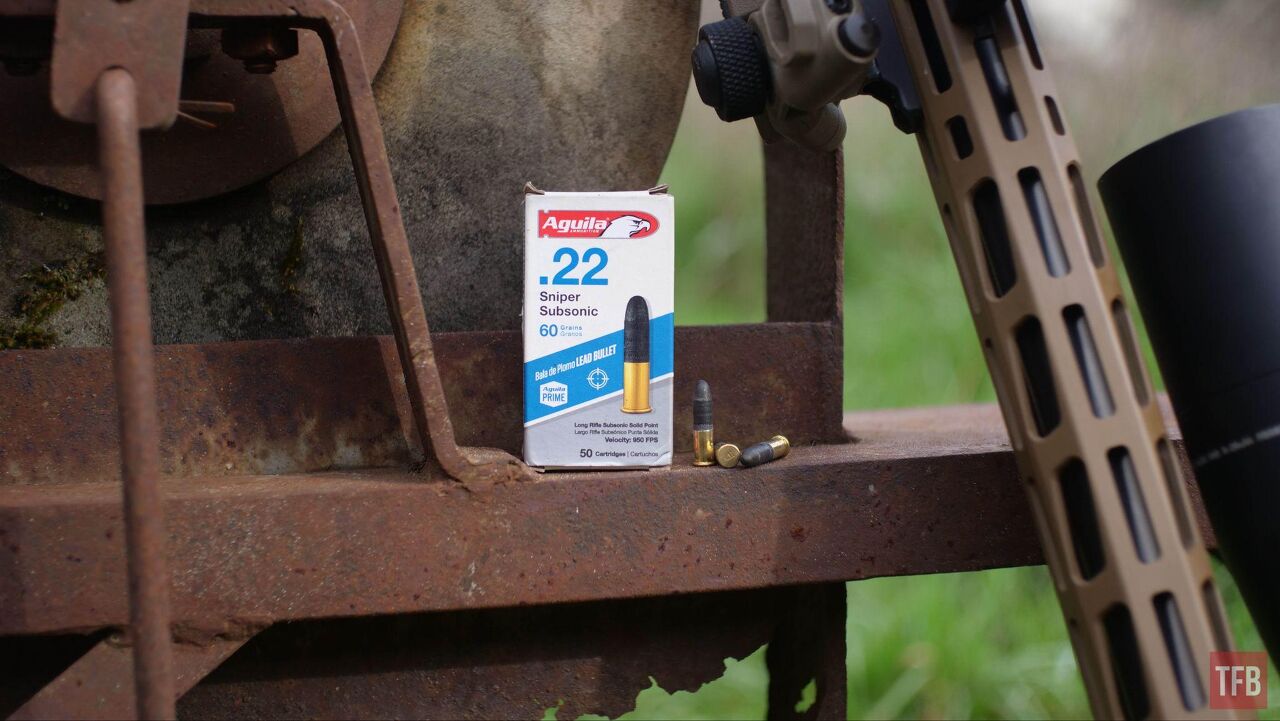
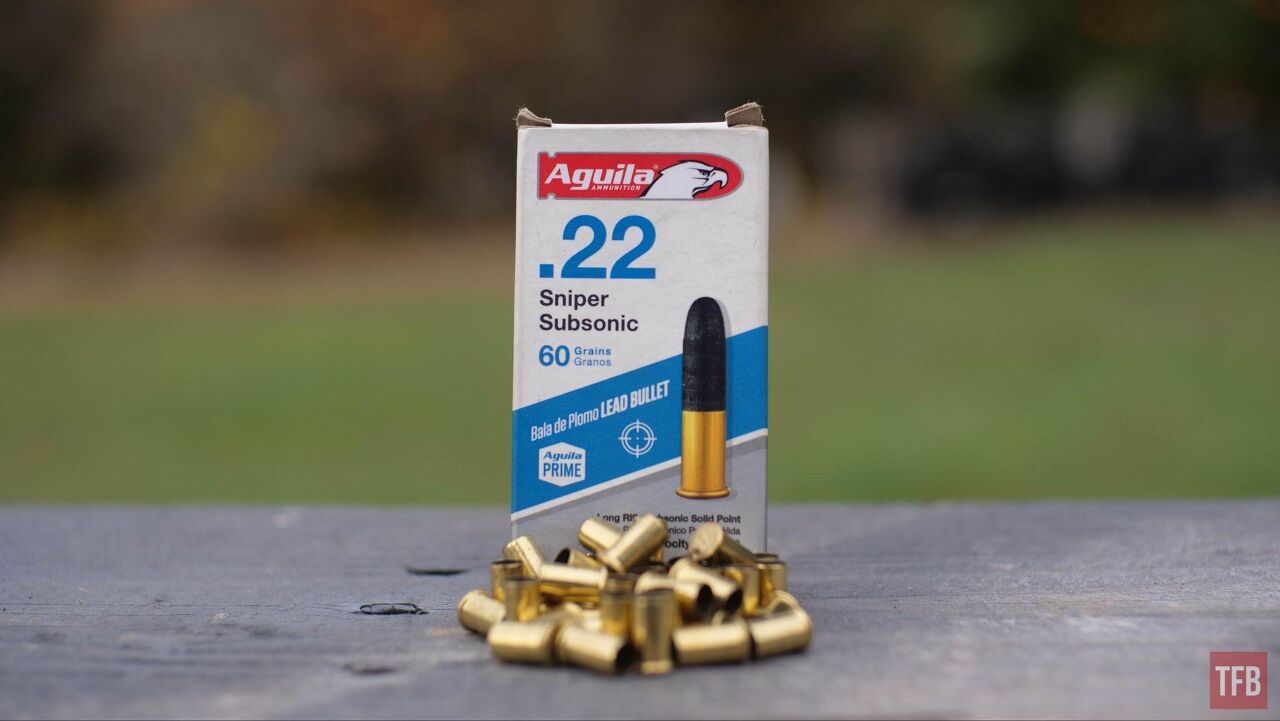
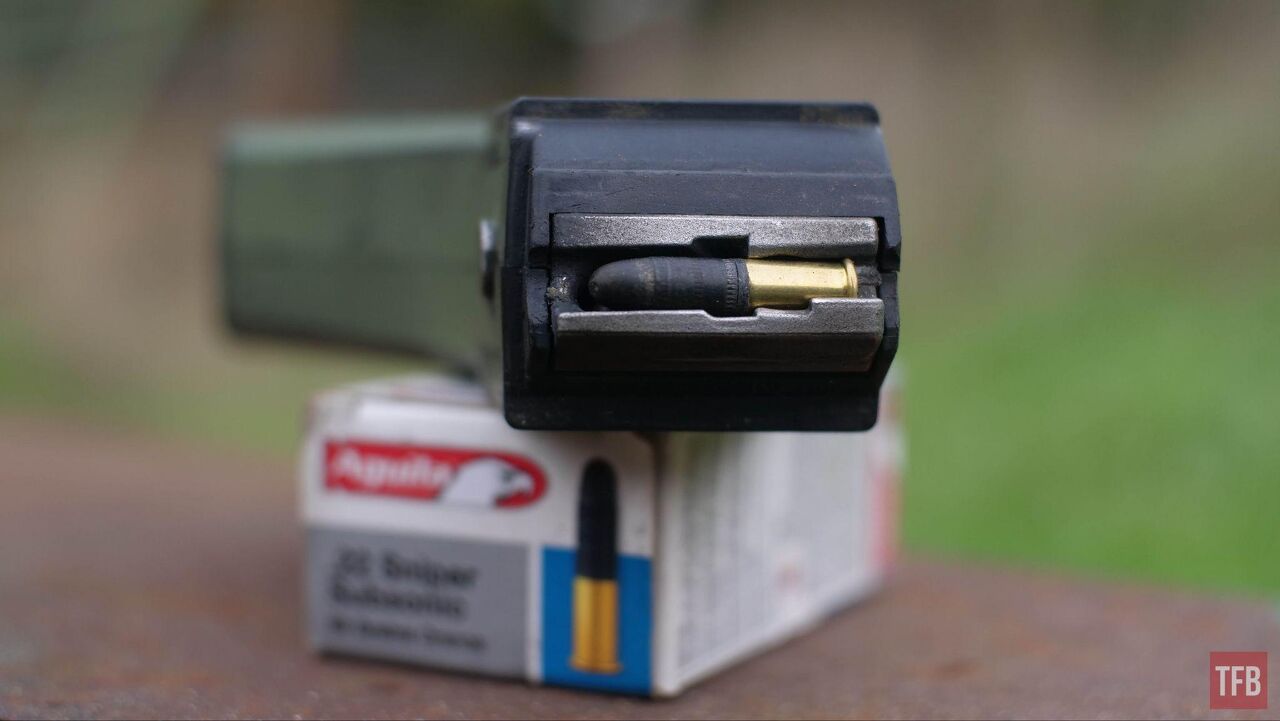
Next to a standard .22 LR round, the SSS is the same overall length, but the brass case is shortened to about .22 Short length. The bullet takes up much more of the cartridge than usual, with a lot more lead showing above the case mouth. It's yet another unique characteristic that makes this heavy subsonic rimfire load so interesting to me.
Packaging and Availability
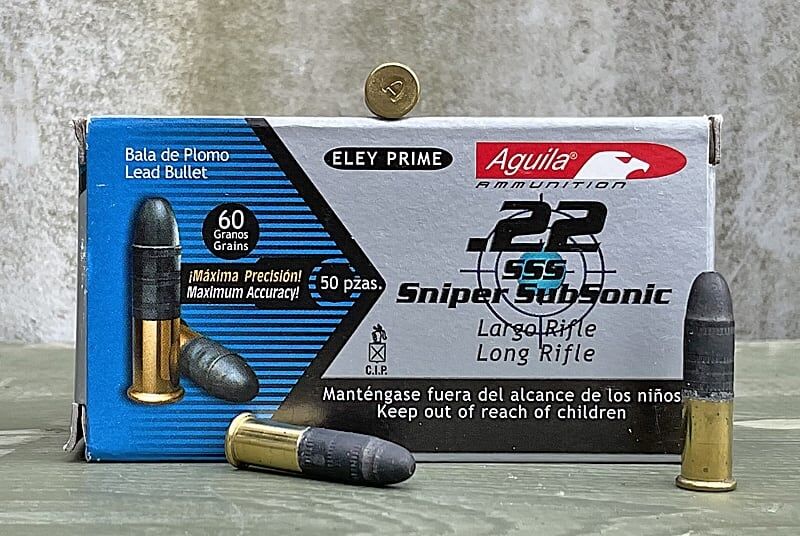
Aguila has changed the box at least three times since I first started buying it. The oldest boxes I have are blue and silver, with bilingual Spanish and English labels, a crosshair graphic behind the “SSS” logo, and an “ELEY PRIME” badge across the top. For years, Aguila marketed its rimfire line as built on Eley Prime technology. Some boxes I found online either predate the blue ones I first remember seeing, or are just meant for a different market.
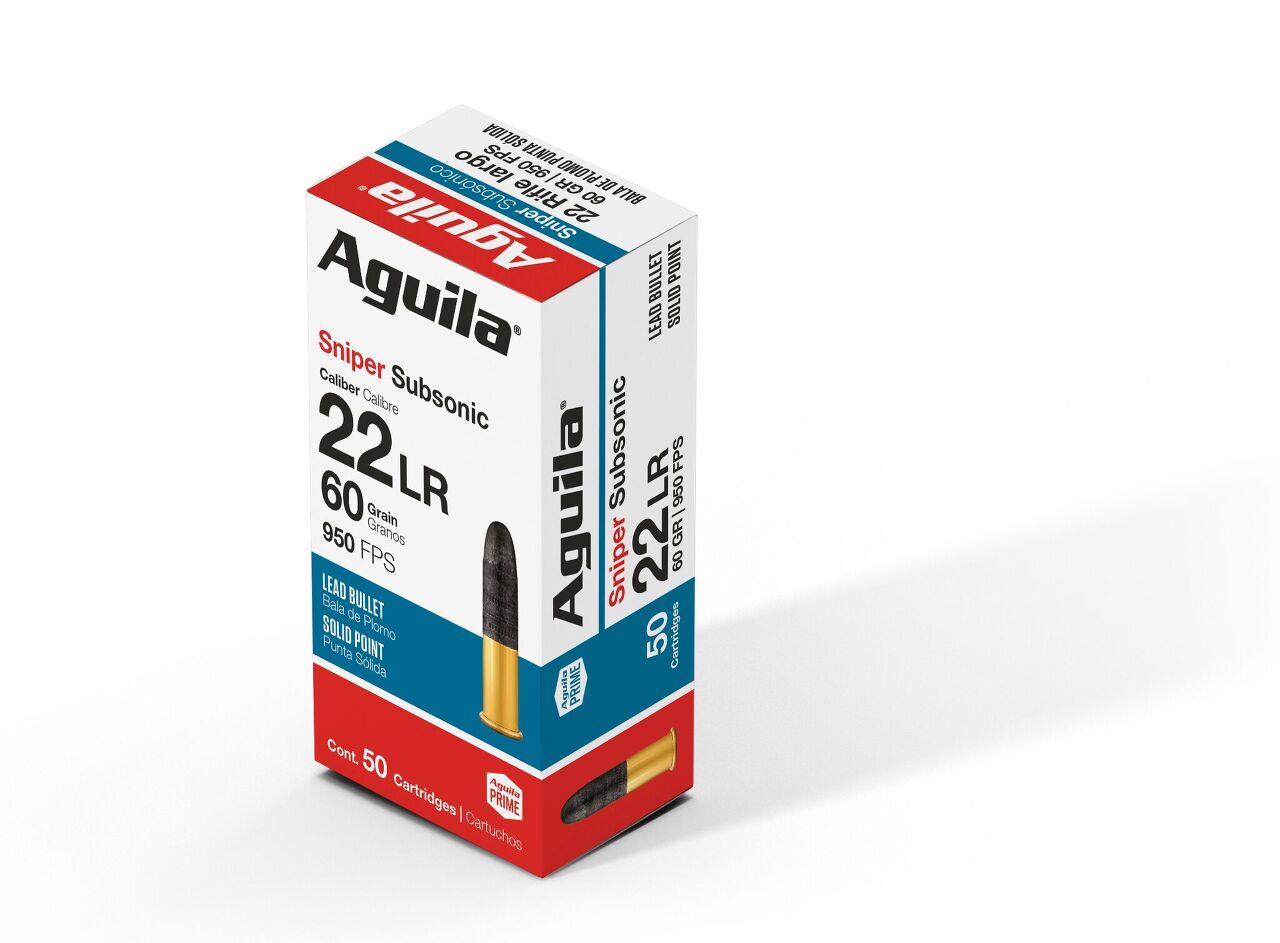
The company now advertises its own Aguila Prime system instead, which makes the Eley badge a quick way to spot the older boxes at the store. Target shooters on forums still argue over whether anything changed beyond the label, and I’m also in a debatable headspace on whether or not anything major has actually changed throughout the packaging rotations. The first design that we see from Aguila is just below
The second design is the one pictured throughout this article and the one that most of you probably will recognize now. The third and current design is on Aguila’s website, but I’ve yet to see the new packaging for Aguila Sniper Subsonic in stores anywhere, just the standard and hyper velocity stuff.
Finding any version of Sniper Subsonic on a store shelf is rare. Aguila doesn’t sell it directly through its website. Most of my supply has come from online stores that had a handful of boxes in stock. When you can find it, expect to pay about $22 to $25 for a 50-round box. You can sometimes be lucky and find it for a touch under $20, but I wouldn’t hold your breath for deals on this boutique rimfire ammo.
Heavy, Quiet, and Slow | Velocity Data
Aguila lists 950 fps at the muzzle. From most of my barrels, the SSS has clocked closer to 900 fps. That is more than 200 fps under the speed of sound at 70 degrees Fahrenheit and well under it on a freezing day. Standard velocity .22 LR loads are commonly rated from about 1,070 to 1,130 fps. Depending on temperature and barrel length, that puts them close to the sound barrier or over it.
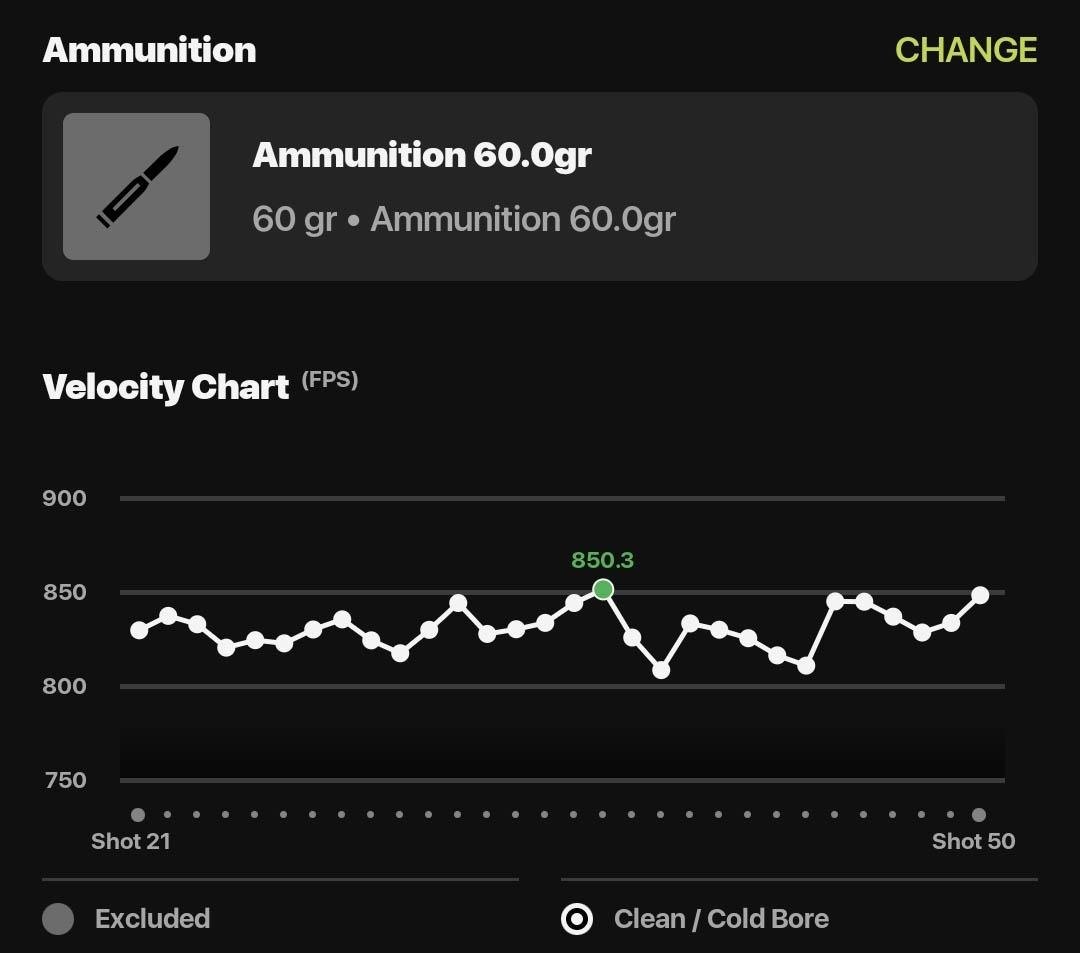
The Vanquish 22 slows it down further. Its ported barrel bleeds off gas before the bullet exits, and the SSS stayed in the mid-to-low 800 fps range from it. Standard deviations across my strings were in the teens. That is consistent for a lead-bullet subsonic load and a good early sign for accuracy.
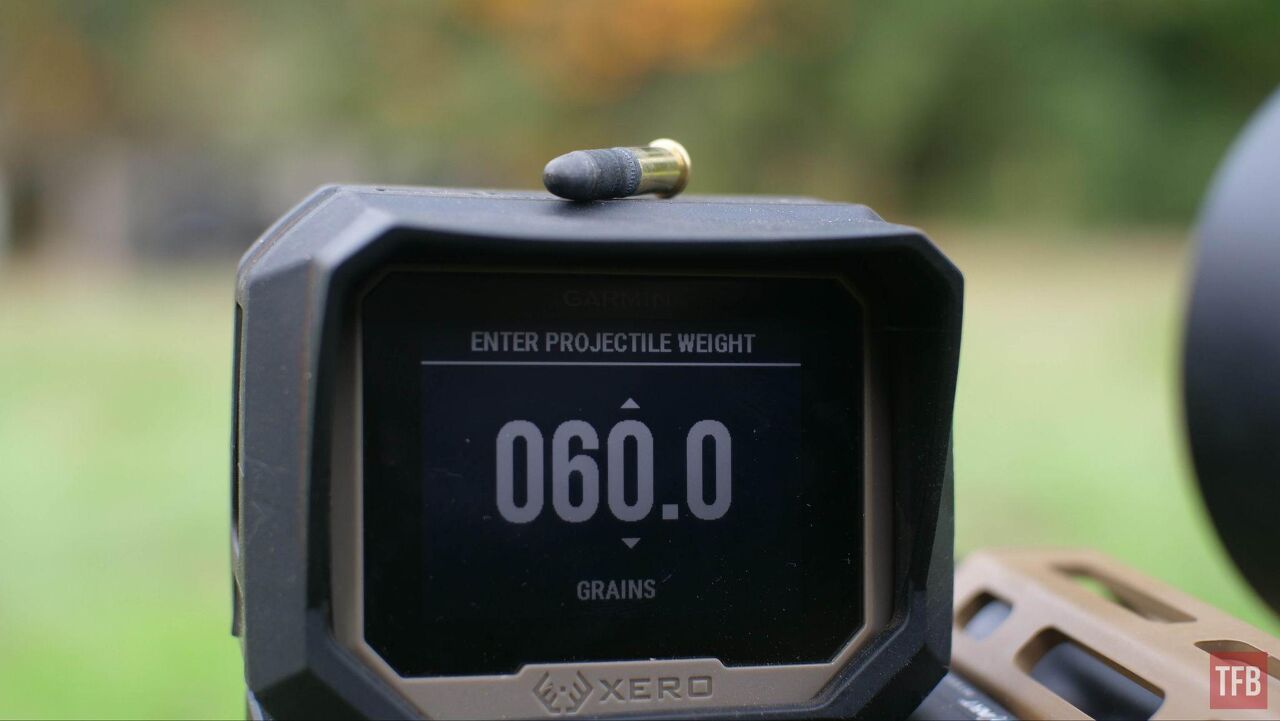
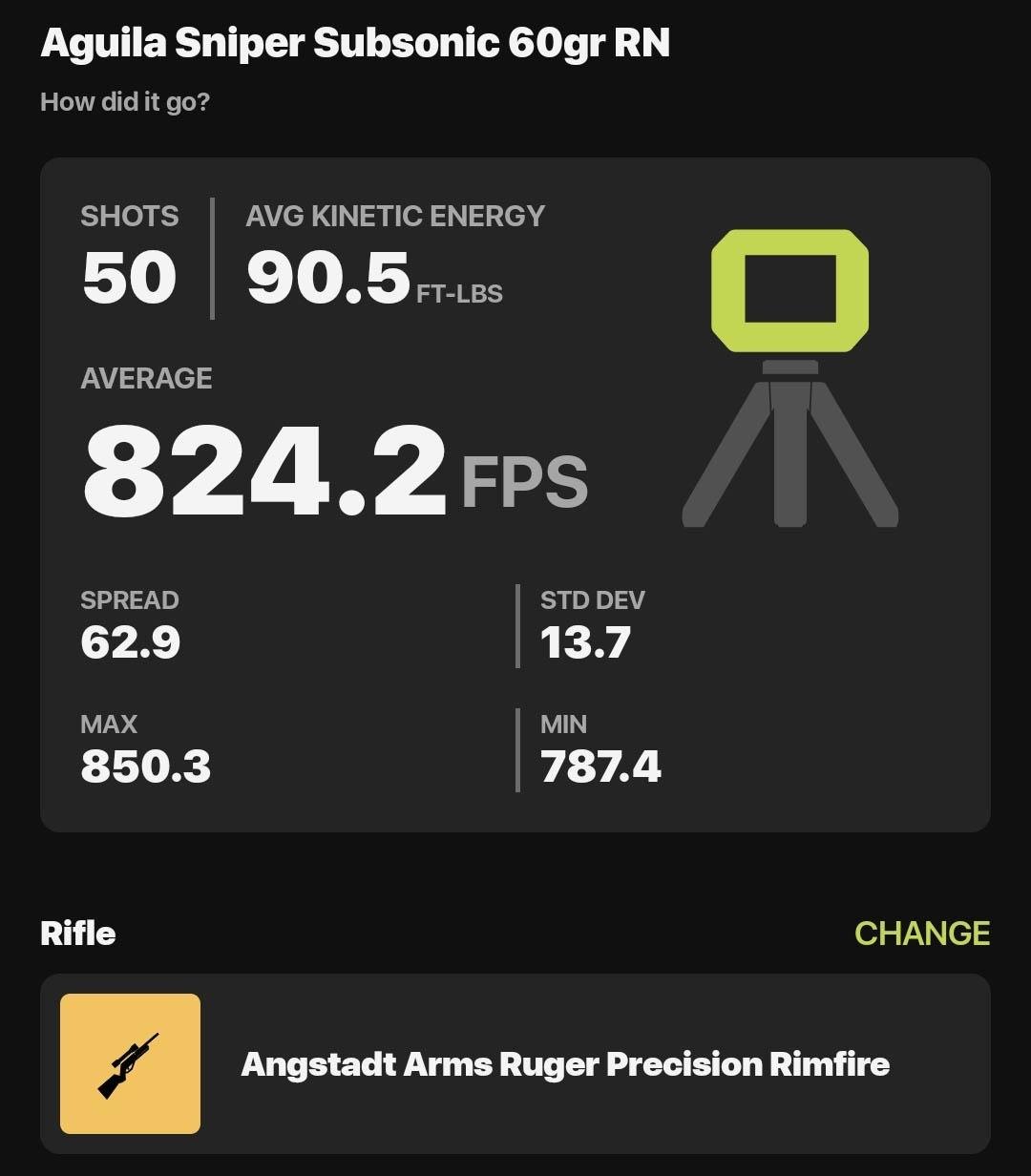
From the chronograph readings, we had a maximum velocity of 850fps, exactly 100fps slower than the advertised. On the lower end, 787 fps was our slowest velocity, giving us an extreme spread of 62.9, and a standard deviation of 13.7 fps from our 50-round sample size.
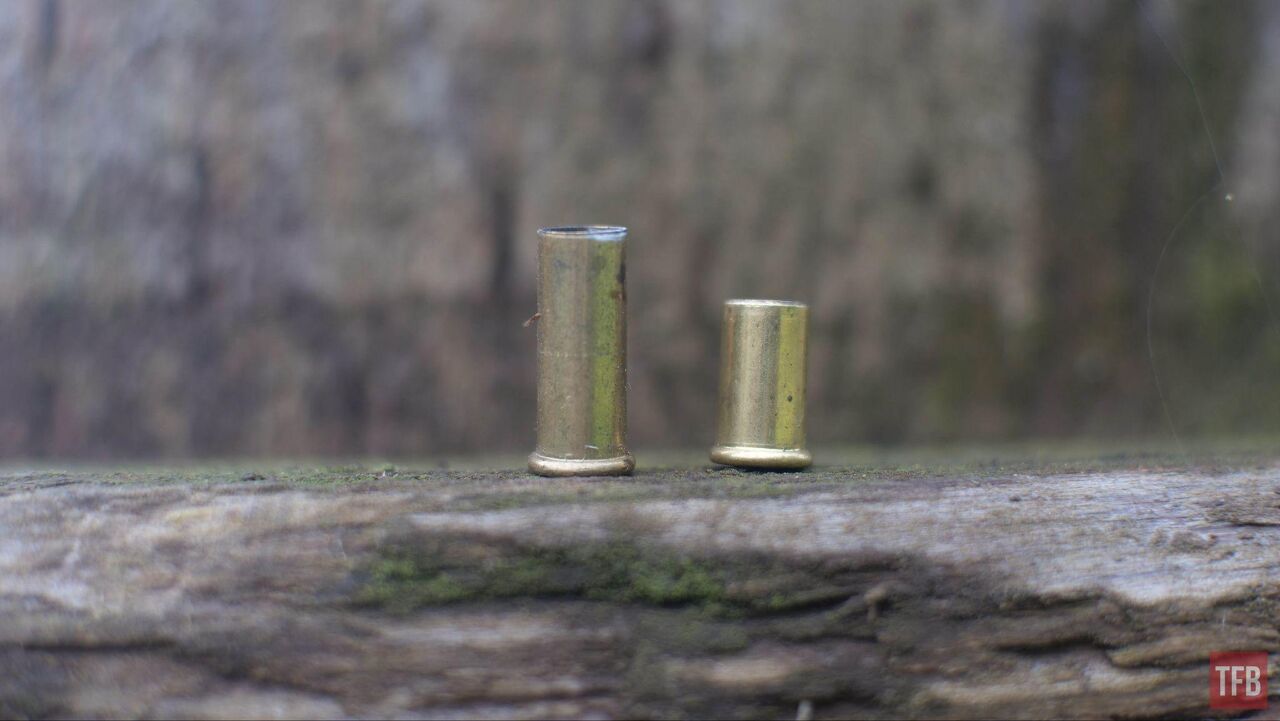
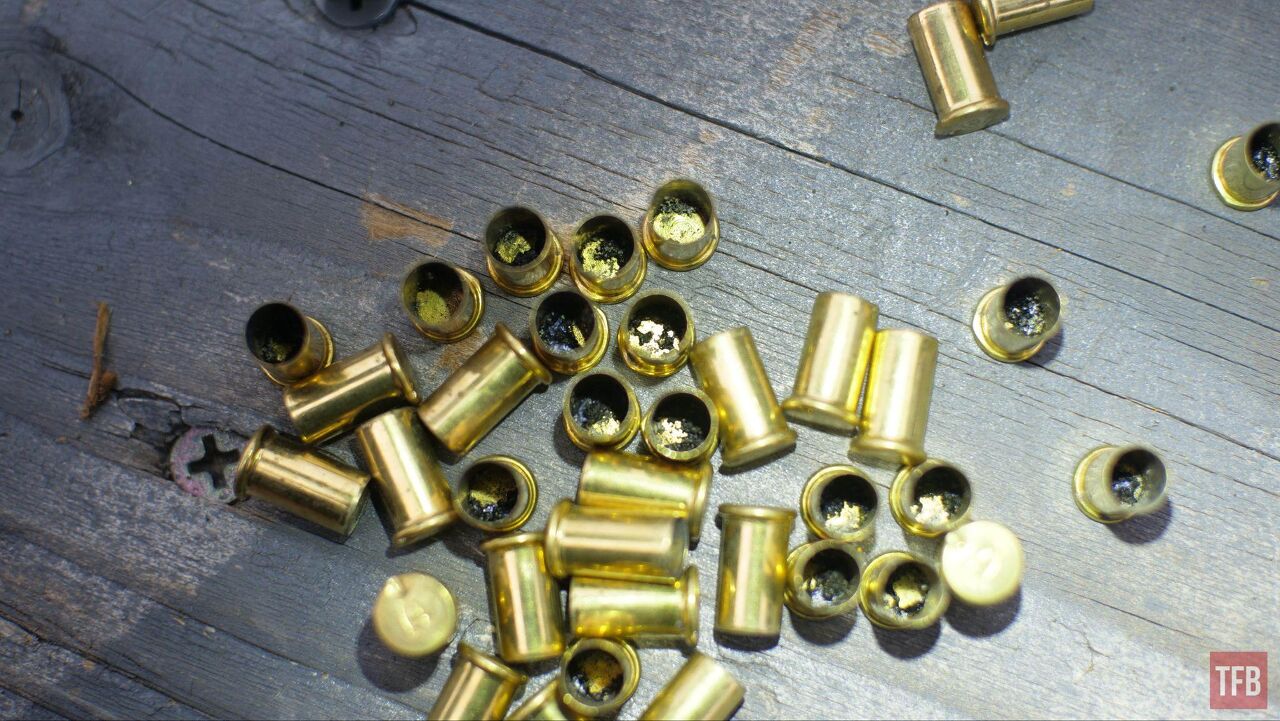
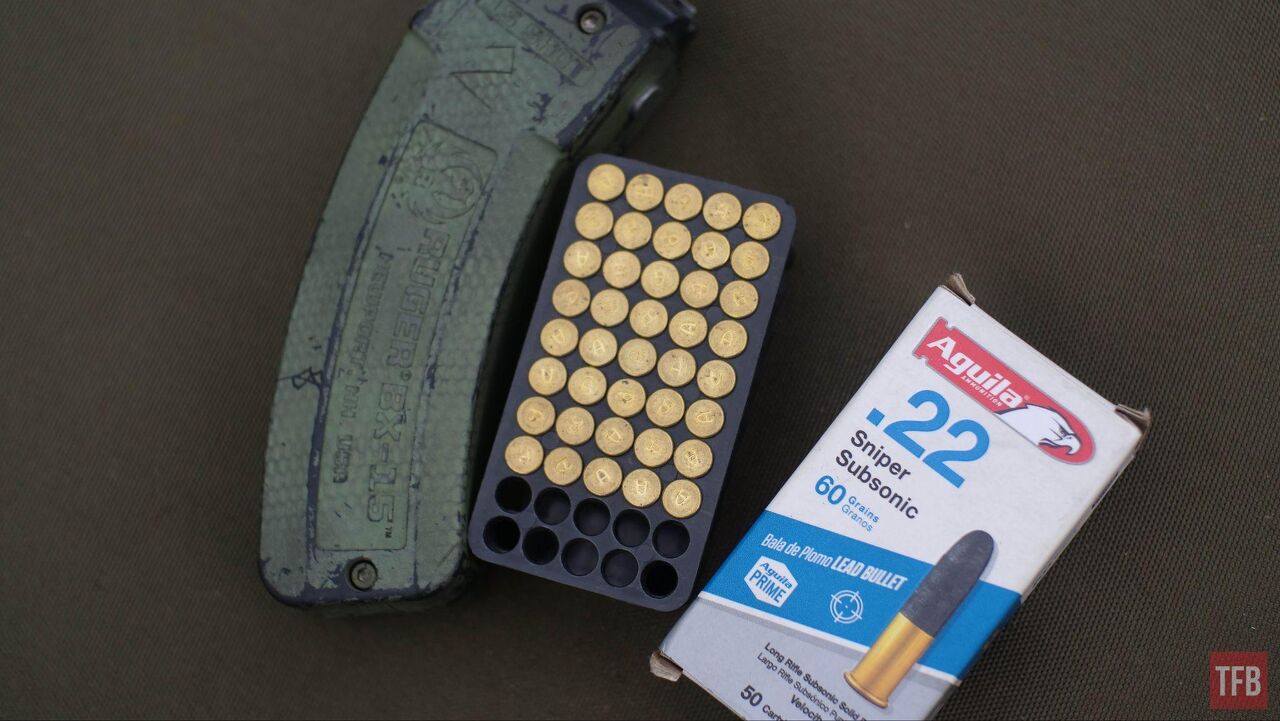
It’s also worth mentioning that on virtually any platform, this stuff will be quiet, provided you have a suppressor mounted on the gun. Otherwise, Sniper Subsonic is quite loud, and quite dirty to boot. Pictured below, you’ll see the results from our 50-round test. There is a lot of residue inside the cases, and this fouling characteristic will track across all guns. This stuff is incredibly dirty.
Accuracy
I’ll start off this section by saying that Aguila recommends a barrel twist of 1:12 or faster for this load. Most .22 LR rifles and pistols ship with a 1:16 twist. That is fine for 36- to 40-grain bullets but marginal for a projectile this long. Bullet length, more than weight, decides how much spin a bullet needs, and a 1:16 barrel often can’t stabilize the SSS bullet. When that happens, your accuracy is inevitably going to drop, sometimes being as extreme as producing keyhole impacts. I’ve only ever experienced this kind of performance out of particularly short barrels, where you don’t just see the keyholes; you can hear the instability - they make a distinct buzzing sound as they fly off into the distance.
From what I’ve read on various forums and seen in other people’s testing of Sniper Subsonic, it seems that barrel quality plays at least some part in determining the accuracy with this ammo. Some owners of 1:15 and 1:16 match barrels have reported that they get normal, stable, and accurate results out of it, while a healthy number of other guys say half or more of their shots keyhole at 50 yards from the same nominal twist. A few guys have even said they get outright poor accuracy from 1:9 barrels, so a faster twist rate doesn’t seem to be automatically better.
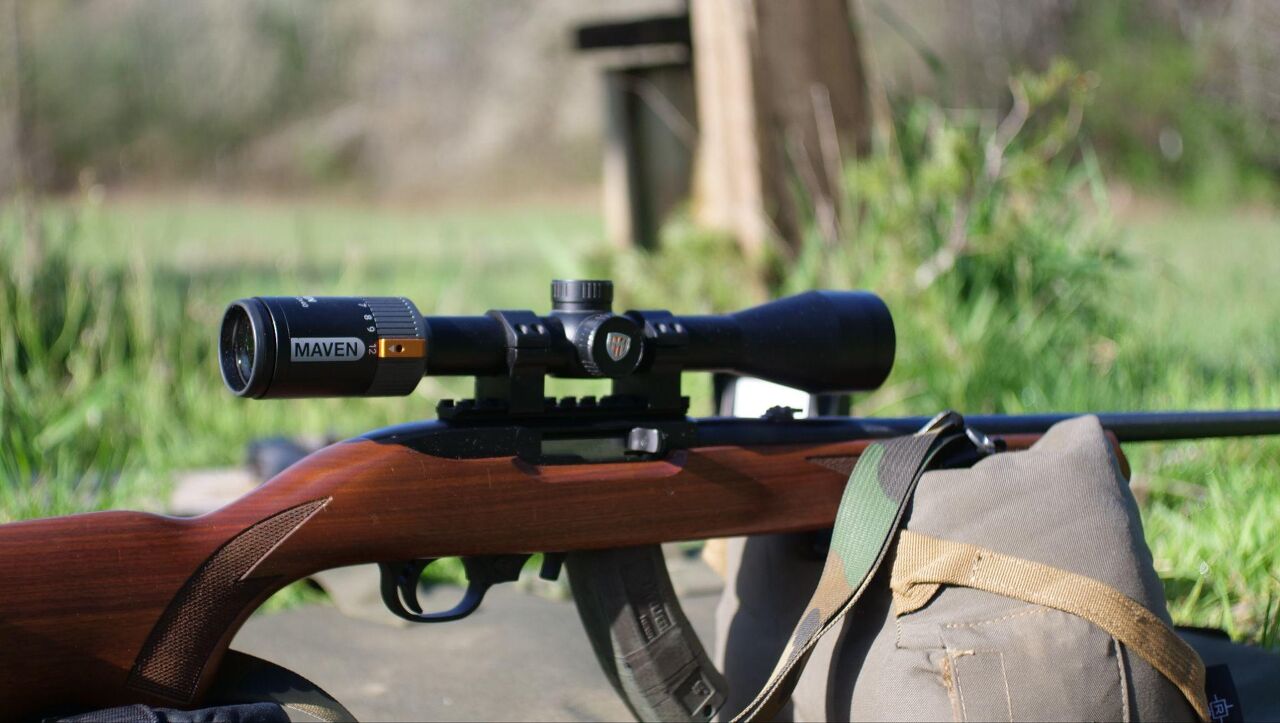
My Ruger Precision Rimfire with the Angstadt Arms Vanquish 22 barrel is a good example. The Vanquish is an 18-inch, button-rifled Shaw barrel with a 1:16 twist, the same rate as the factory RPR barrel and slower than Aguila recommends. However, despite this, it stabilized the SSS without trouble out to at least our 50-yard test distance. The Vanquish has no baffles, so a tumbling bullet would have been less of a worry than in a traditional can.
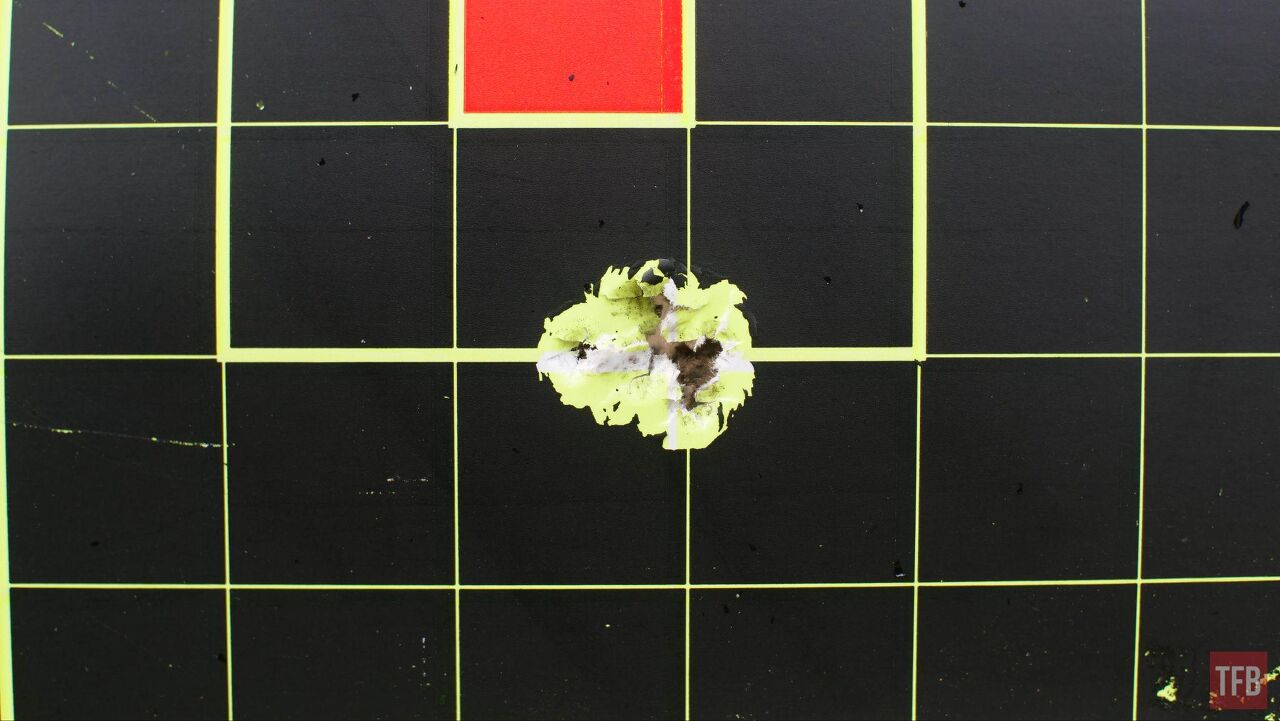
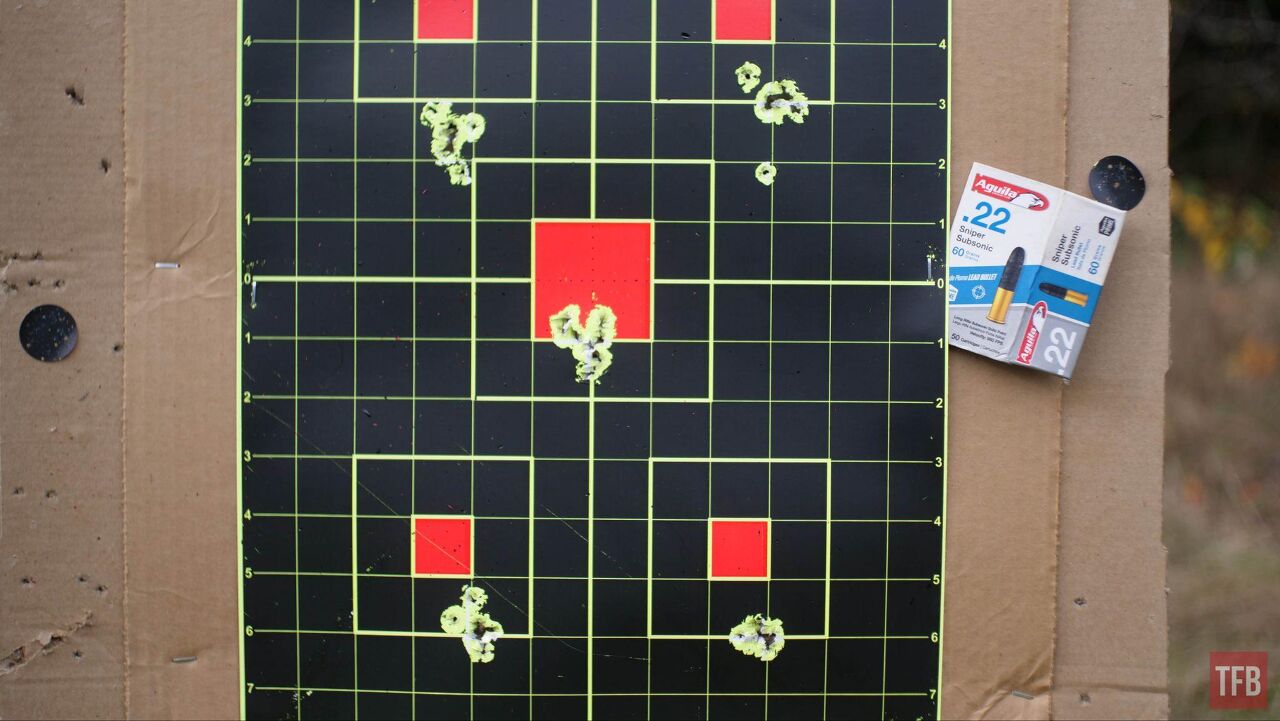
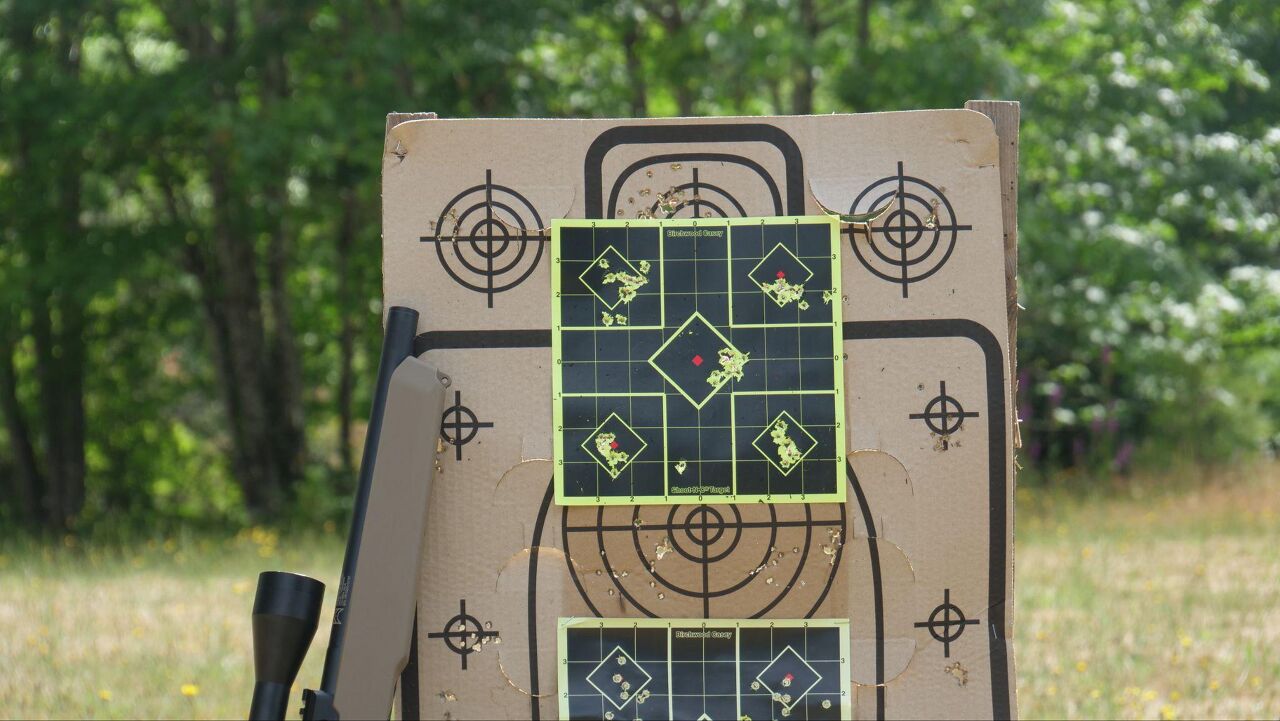
All that said, as you can see here, I experienced some phenomenal accuracy out of this load, not quite as good as some of the match ammo I’ve tested in the past, but definitely good enough to be relied on. The best group I was able to produce at 50 yards was about the size of a dime, shot from a bag and bipod. Your 1:16 barrel may not do as well, so I’d test it without a suppressor first to see if it stabilizes and is accurate at all. Given that it’s prone to being more unstable in shorter barrels, in my observation, you might be running the risk of a baffle or end cap strike with this ammo when using certain barrels. I’ve only found a few firearms where Aguila Sniper Subsonic completely failed to stabilize, and all of them have been pistols with barrels of around 3” in length.
Other Platforms I’ve Tried
I started buying this stuff one or two boxes at a time when I started finding it in stores in 2015 and was initially very unimpressed with it because of how poorly it performed out of a couple of different platforms. One of those was my 10/22 Charger. At the time, I only had access to one suppressor (my Form 1 can), and even though the 8” Charger barrel has the same 1:16 twist rate as the full-length rifle, for some reason the ammo just didn’t want to stabilize out of the gun, and I eventually had an end cap strike.
Counterintuitive to that previous anecdote, my Ruger MK4 does very well with this ammo, and stabilizes the bullets well enough that I’ve shot several boxes out of it and an attached suppressor without any catastrophic results.
During some recent testing with a BoreBuddy bolt for a 10/22, I wound up putting together a completely new 10/22 Charger with a spare Charger barrel I bought off of a friend, and this one stabilizes just fine as well. The groups aren’t anything to write home about (~1.5” or greater at 25 yards), but they otherwise feed, cycle, eject, and run just fine.
Like the forums I’ve been digging through, I think I have to concur with the conclusion that barrel quality probably matters just as much, if not more than the twist rate of your gun, provided it's at least 1:16, which is on the bleeding edge of the stability range for a projectile of this length.
Final Thoughts
I don’t know of another production .22 LR load that features a 60-grain bullet with subsonic velocity, so the Aguila Sniper Subsonic is in a niche of its own. It's got just enough power to cycle most semi-auto rimfires, works well in any chamber, and on top of that, makes for the perfect pairing with a rimfire suppressor. The only real major downsides of this ammo are its price, availability, and questionable stability out of certain barrels. All things considered, I still like to buy it when I can, especially now that virtually every semi-auto rimfire gun I own has a suppressor on it, which is where Sniper Subsonic sounds best.
What’s your go-to heavy subsonic load? Thanks, as always, for stopping by to read The Rimfire Report, and we’ll see you next week!