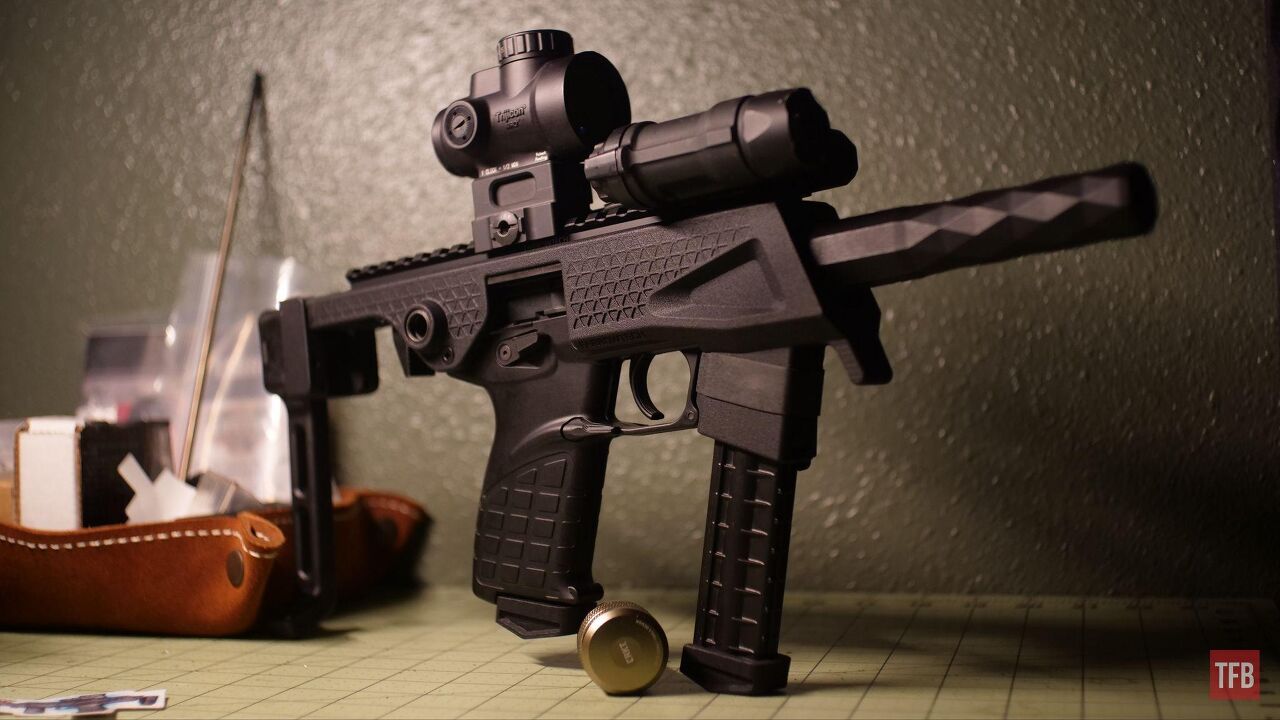
Last time I talked about FarrowTech, we took a look at his Ruger Mark IV 22R PDW Kit back in August. My only real complaint about the Mark IV chassis upgrade had nothing to do with the build itself, but with how far behind the Mark IV is in modern 22LR pistol development. The Ruger Mark series, for its entire existence, can only give you a max of 10 rounds in most cases, and nearly every other kit in FarrowTech's catalog works with a rimfire pistol that holds more. The best example so far is the FT17 PDW Kit for the KelTec P17, the same pistol I used to check out FarrowTech's Halo-inspired FT-M kit in July. Today we're putting the P17 in the FT17 to see what a brace, a top rail, and a charging handle do for KelTec's budget rimfire pistol.
The Rimfire Report: FarrowTech's FT17 PDW Kit (First Impressions)
More Rimfire Report @ TFB:
The Rimfire Report: FarrowTech's FT17 PDW Kit (First Impressions)
Product Link: https://farrow.tech/ft17-pdw-kit-for-the-keltec-p17/
“This is PDW style conversion kit for the Kel-Tec P17. Available as a Stock or Brace.
These, like all of our other products, have a lifetime warranty.
Brace options maintain a length of pull of less than 13.5".
- All necessary tools and hardware are included.
- No permanent modifications to your FT17 are required to install this kit.
- Default color for this item is black.
- All Cerakoted products are subject to longer lead times. Please plan accordingly
- M4 screws require application of VC3 Threadmate and a final torque spec of 7.5in-lb
Pro Model adds:
- 2 QD Sockets
- Integral Mag Carrier"
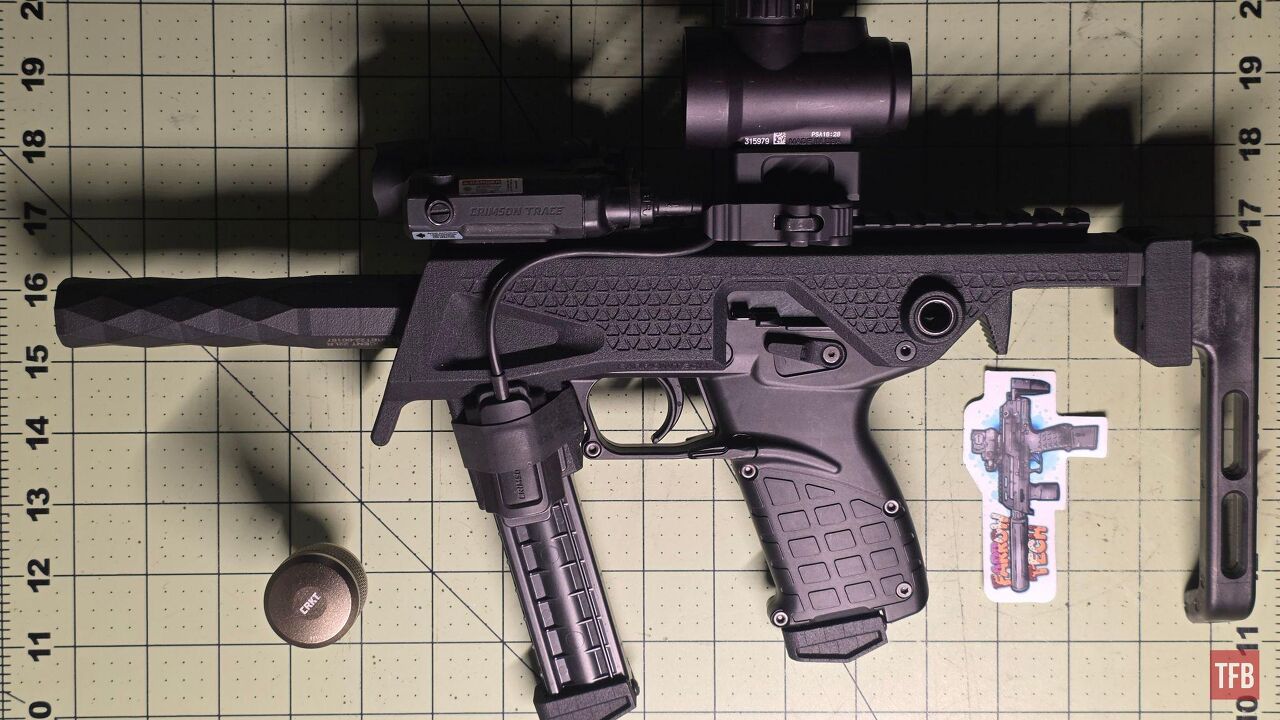
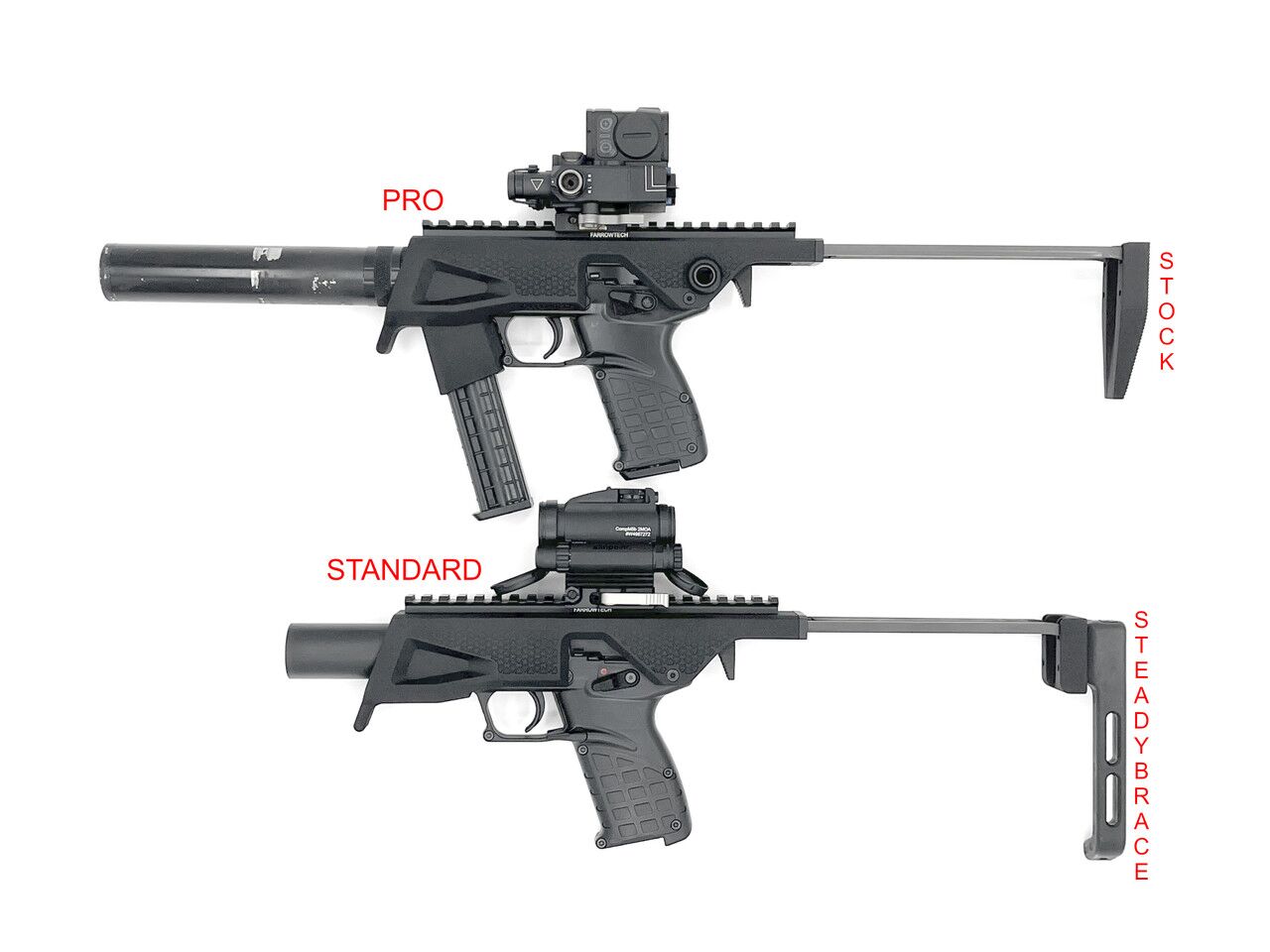
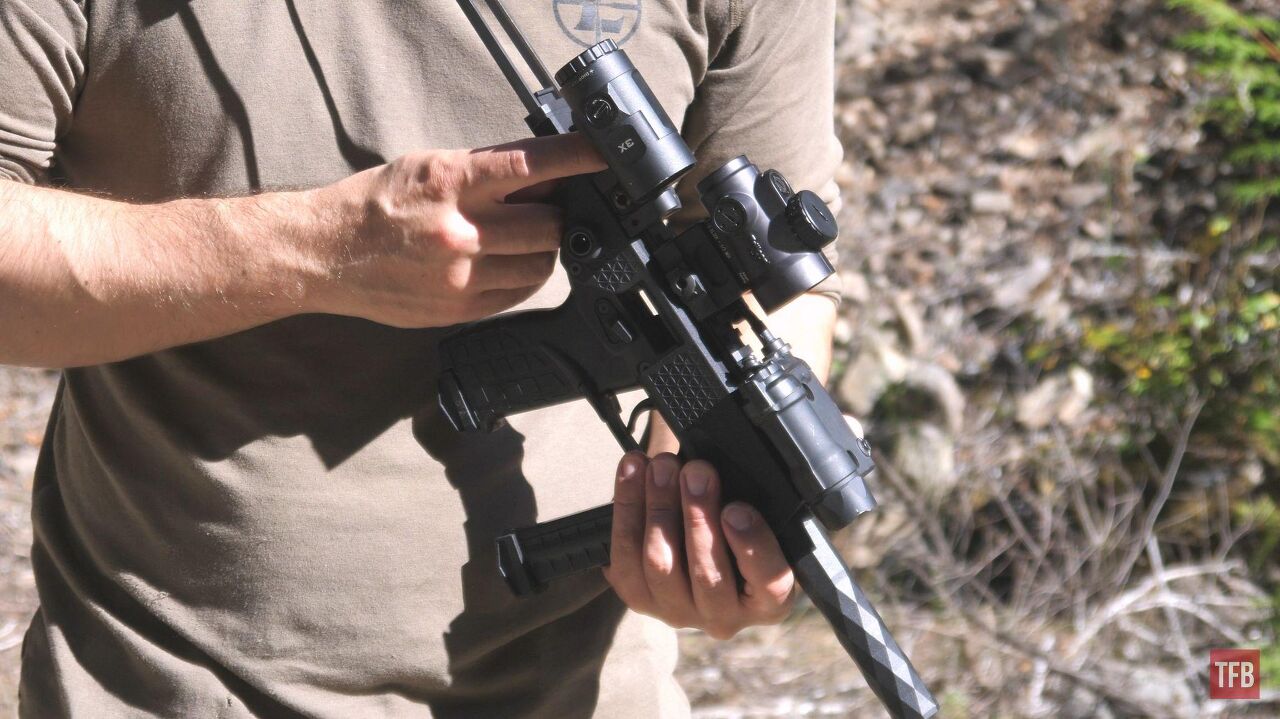
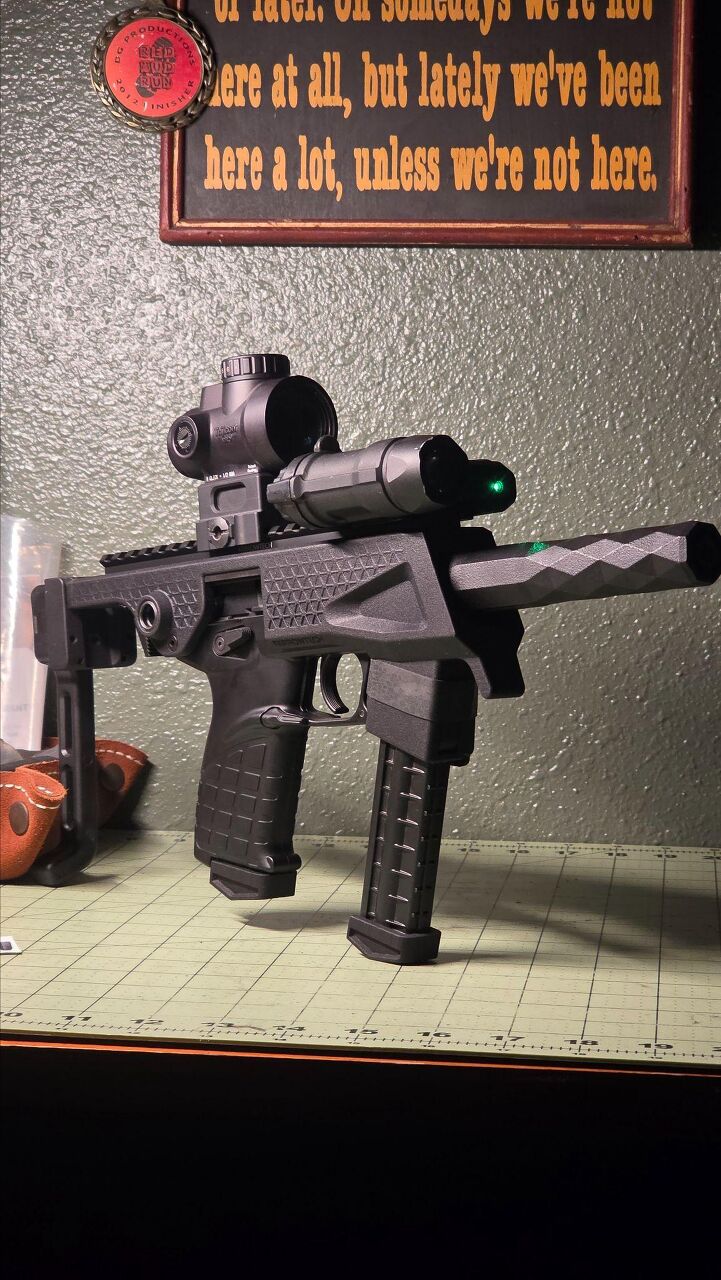
The FT17 is currently listed at $175 to $405. Similar to the other PDW kits they sell, FarrowTech has a few different options you can choose from, some of which are entirely different from the Mark IV options. The first option is for a stock or brace. Mine shipped with FarrowTech's polymer brace, but you also have options for an aluminum brace or one you supply yourself. You can also select a Tailhook (with a MOD1, a MOD1C, or your own). The second is body style. The Standard housing covers the basics, and the Pro adds two QD sling sockets plus an integral magazine carrier forward of the pistol that friction-fits a spare P17 magazine. Mine is the Pro version, but I've included pictures of the Standard & Pro versions side by side below.
Assembly & Features
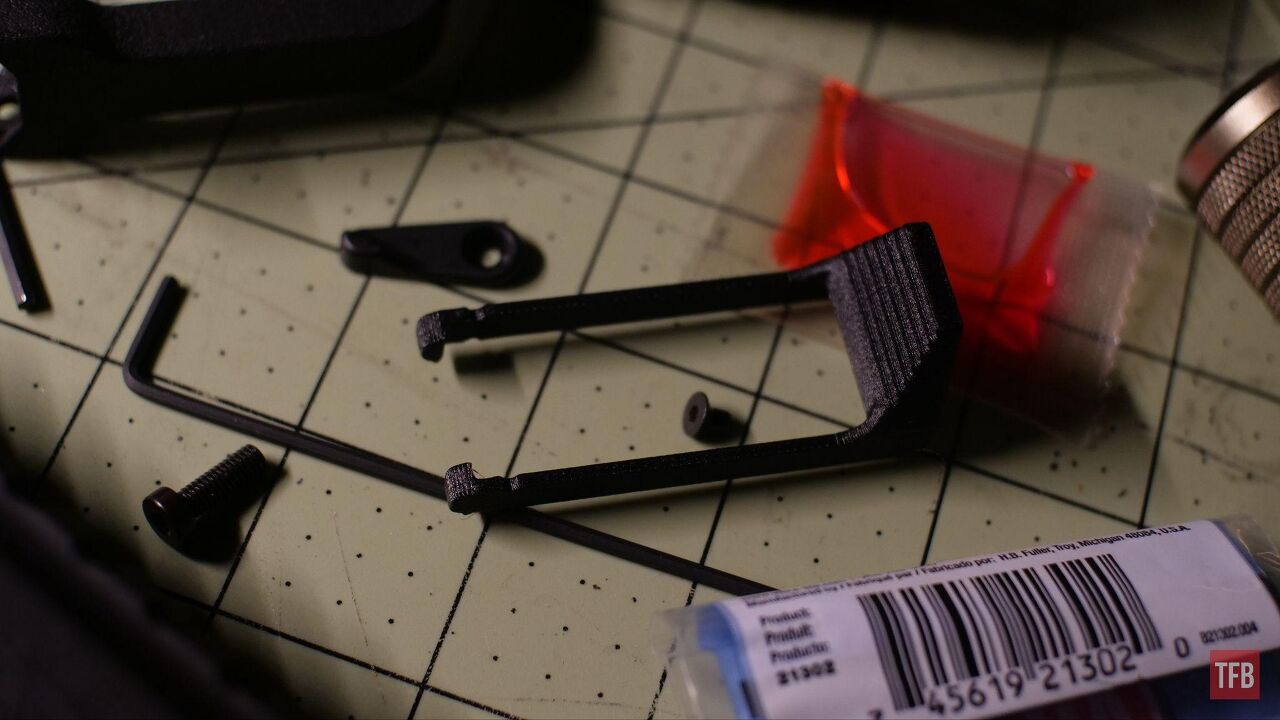
Assembly on the FT17 is even simpler than on the Mark IV kit, since there's no dovetail adapter to swap in. KelTec holds the P17 together with screws, and FarrowTech uses that to its advantage: you pull two of KelTec's screws, replace them with the ones in the kit, and a screw up front locks the housing onto its rails. The hardware is M4 instead of the 6-32 screws on the Mark IV kit, but the routine is the same, with a dab of threadlocker (included) and 7.5 in-lbs of torque. Like the FT-M, every factory screw has a direct replacement, so the P17 goes back to stock whenever you want it to.
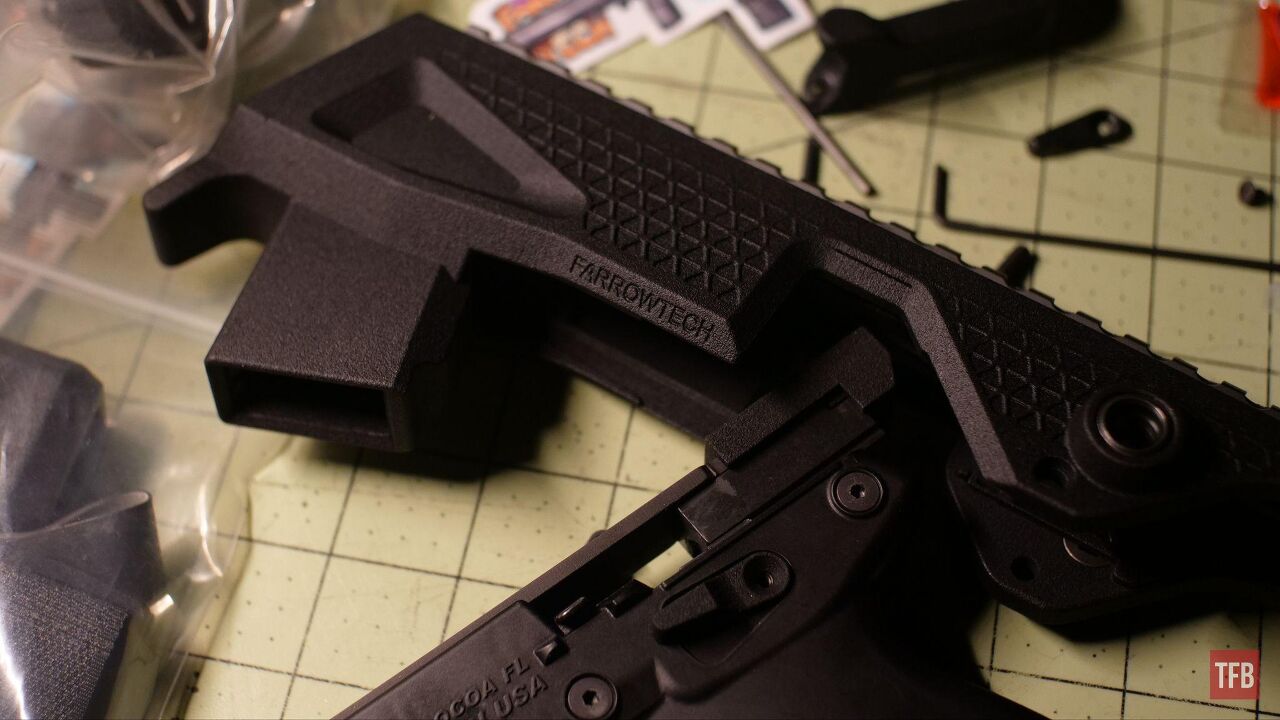
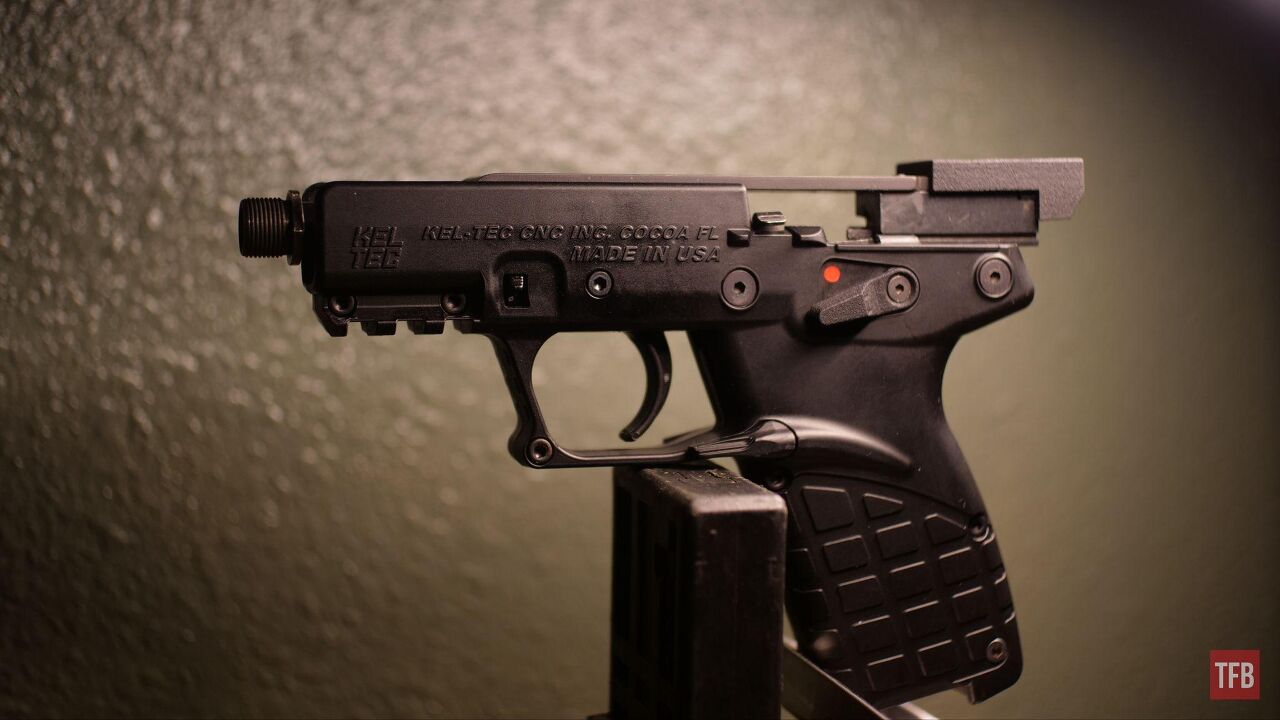
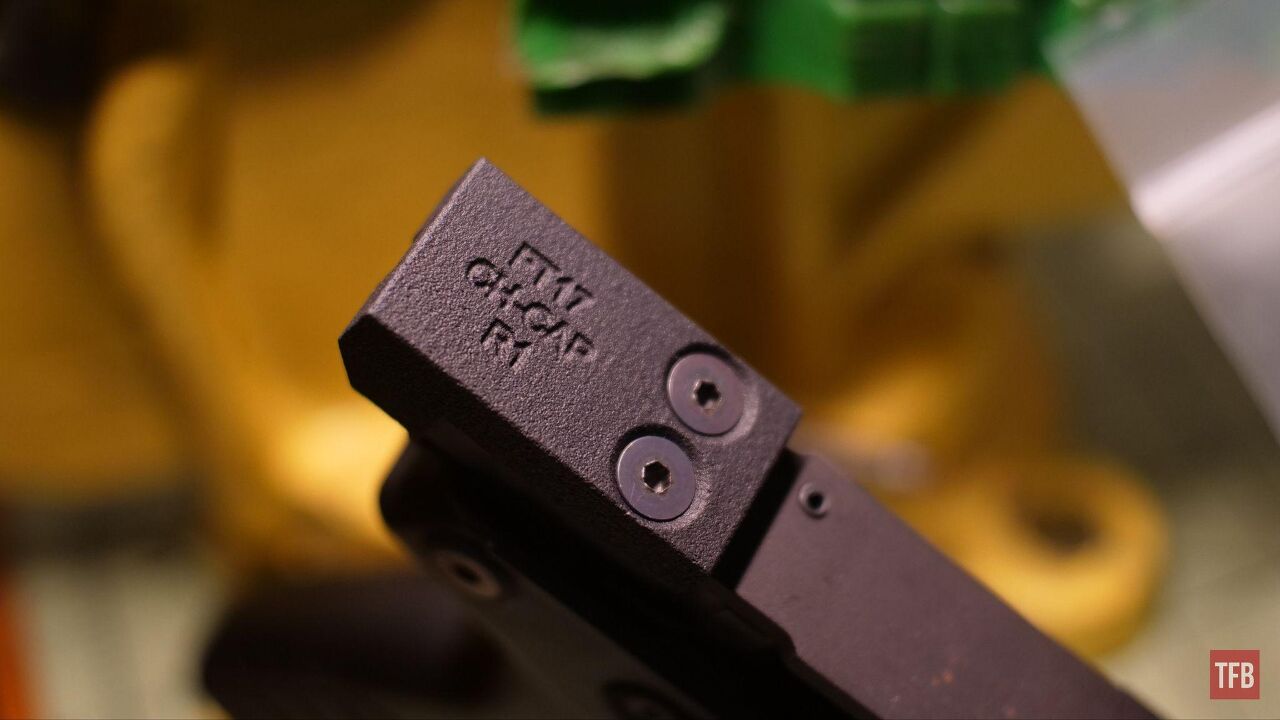
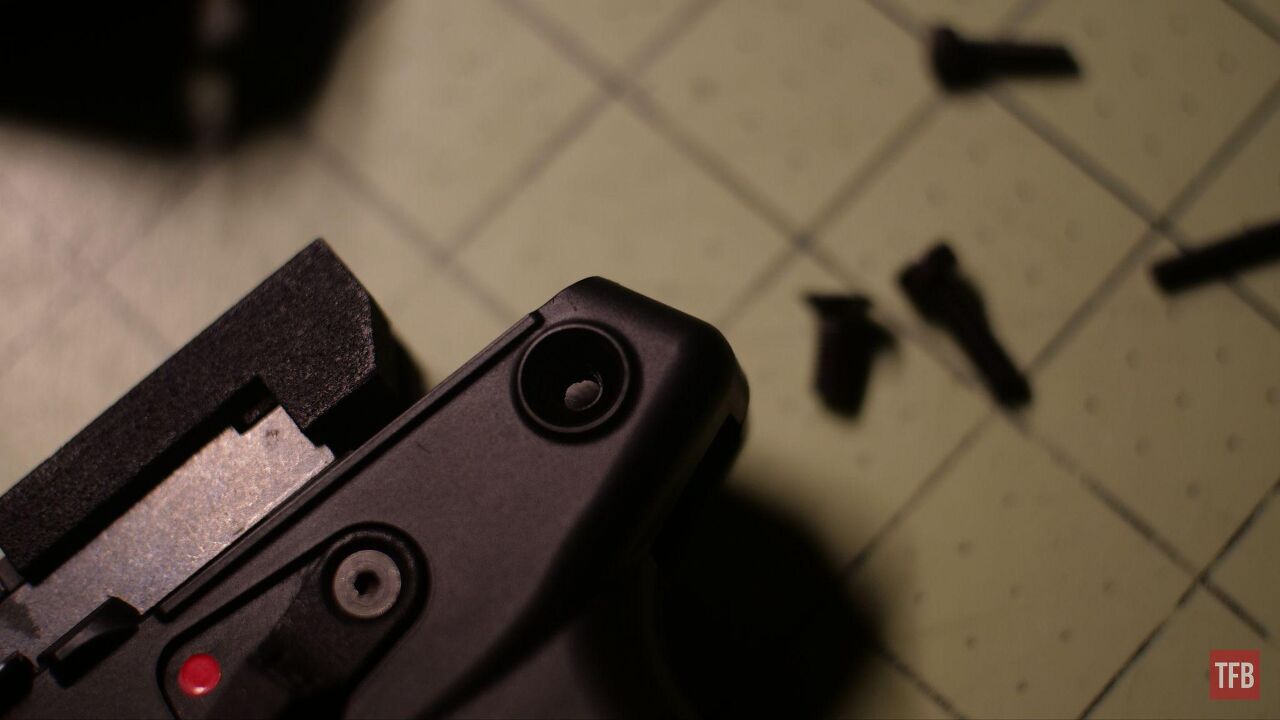
The charging handle is probably the most necessary upgrade and the weirdest single part to install on this build, as it does take some fumbling around to get it lined up and installed correctly. Once it's in, however, it'll stay put. To me, it also looked incredibly thin and flimsy for something that is supposed to act as your primary way to manually cycle the gun - we’ll see how it holds up over time.
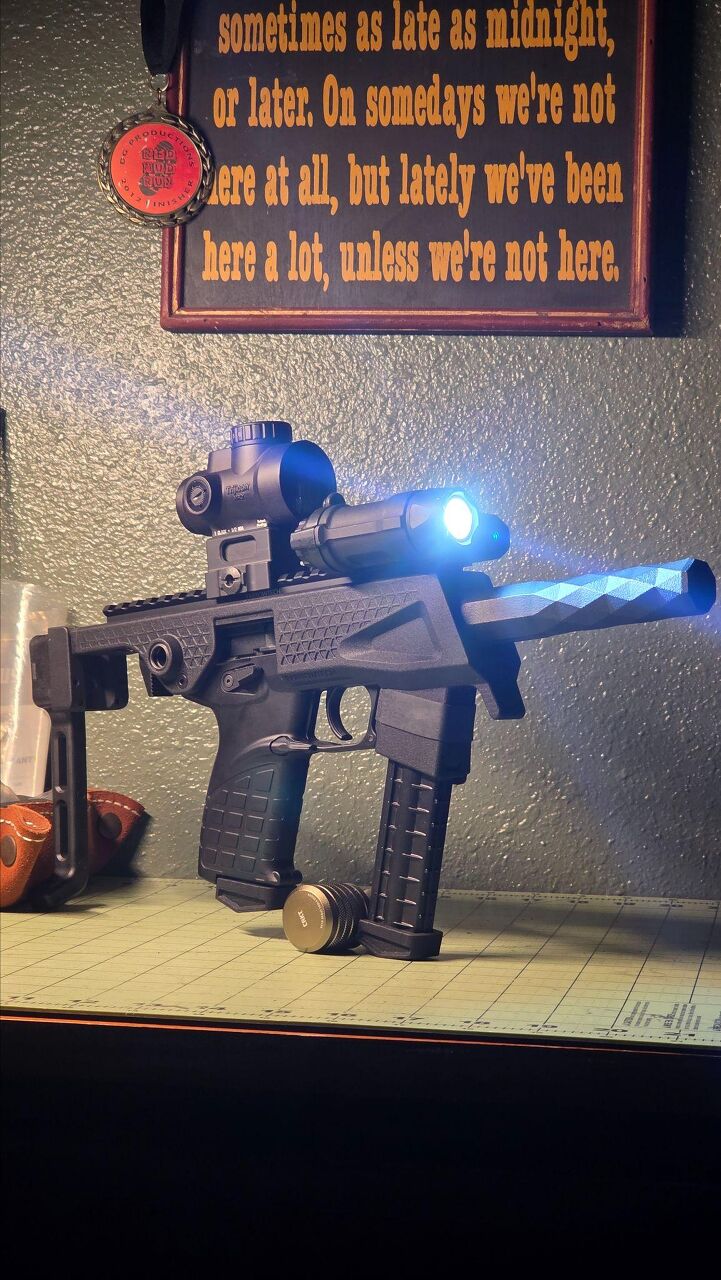
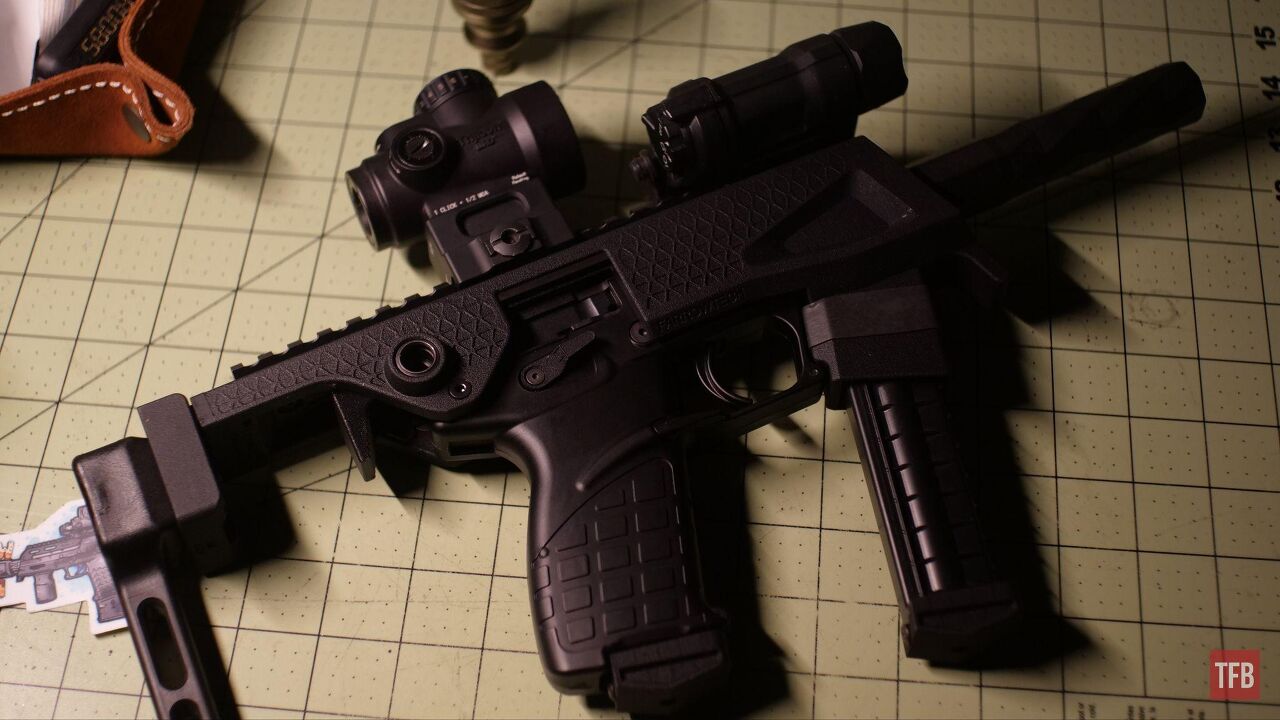
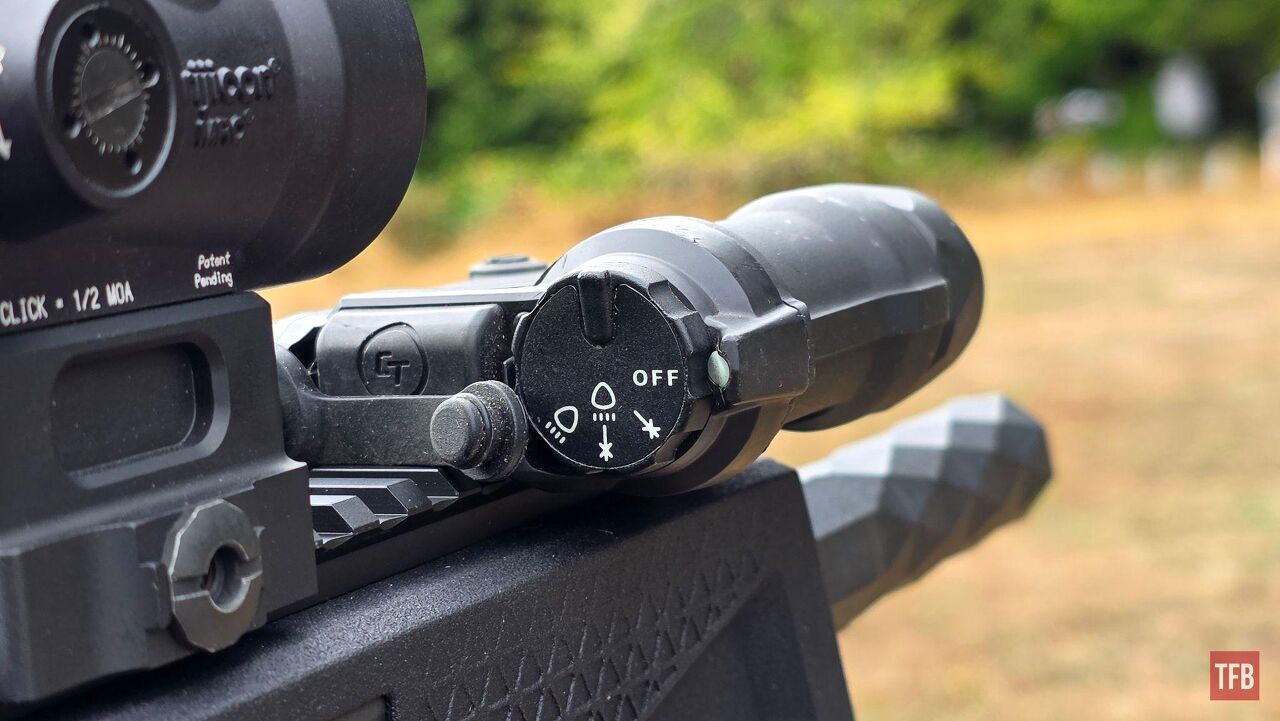
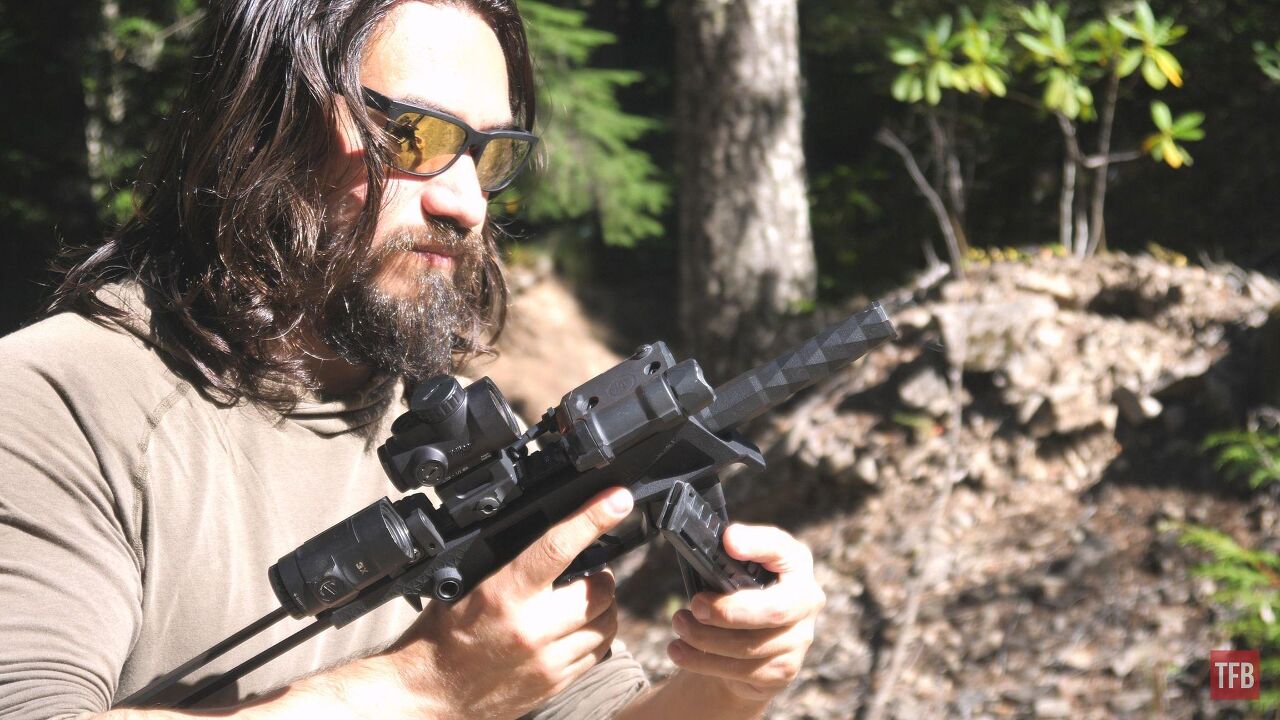
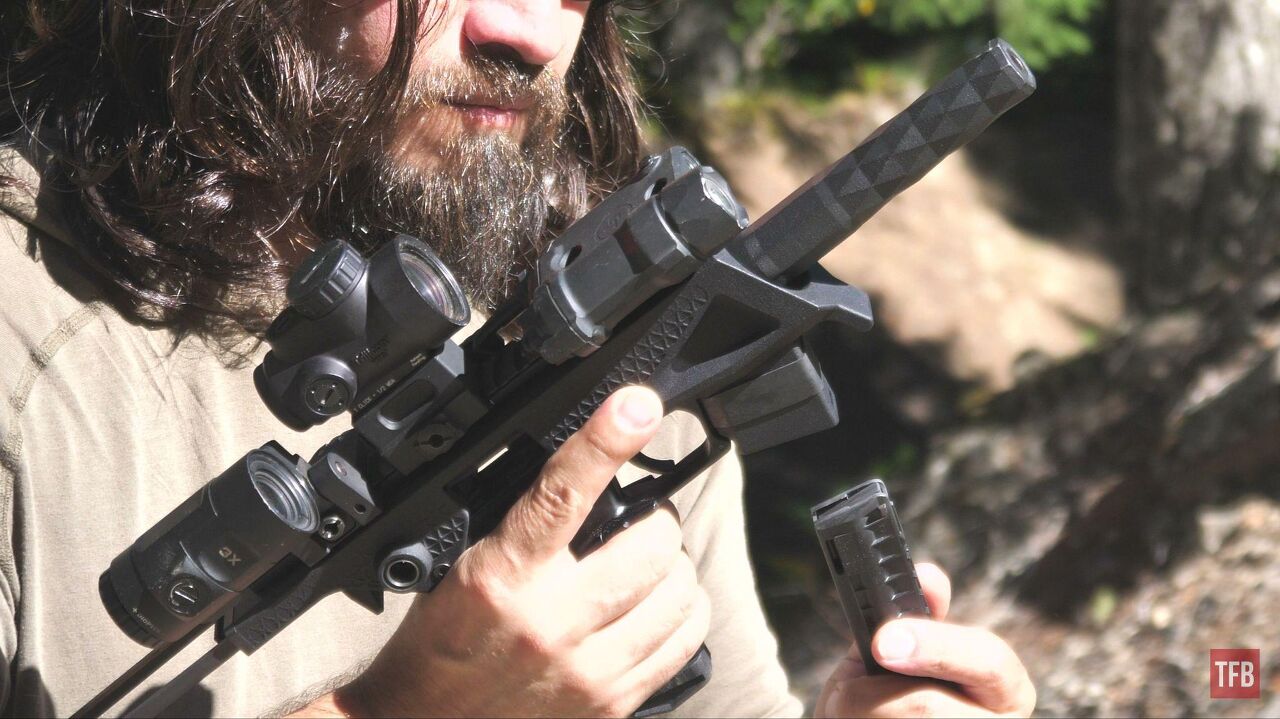
The top of the housing, like some of the other kits, features a full-length metal Picatinny rail instead of a printed one. This makes the whole rig feel really sturdy and also gives you enough rail space so that you can really dress the gun up how you want to. In my case, I was able to fit a Trijicon Magnifier and MRO SD, plus an old Crimson Trace CMR-301 Railmaster to give it a light and a laser. Lastly, I once again am using the Angstadt Arms Reticent-22 suppressor, one of my go-tos for pistols due to its superb sound reduction capabilities and virtual weightlessness.
Range Time
Late summer and early fall are always a busy time, and as a result, I've really not been able to get to the range much with the FT17 for serious testing. However, from my few range sessions so far, I will say that the chassis adds a lot, but it doesn't solve some of the problems that are inherent to the P17 itself.
First the good
The P17 in a chassis is quite comfortable, and the upgraded and enlarged safety controls, while an optional install, are a great comfort and ergonomic upgrade if you plan on keeping the gun in this configuration. The additional mag carrier at the front of the chassis features no button, but instead holds the magazine in place via geometry and friction. To release it, you simply have to tug down and rearward at the same time. The additional bumpers from the FT-M kit that I still have on my magazines are also a nice fit with the rest of the chassis.
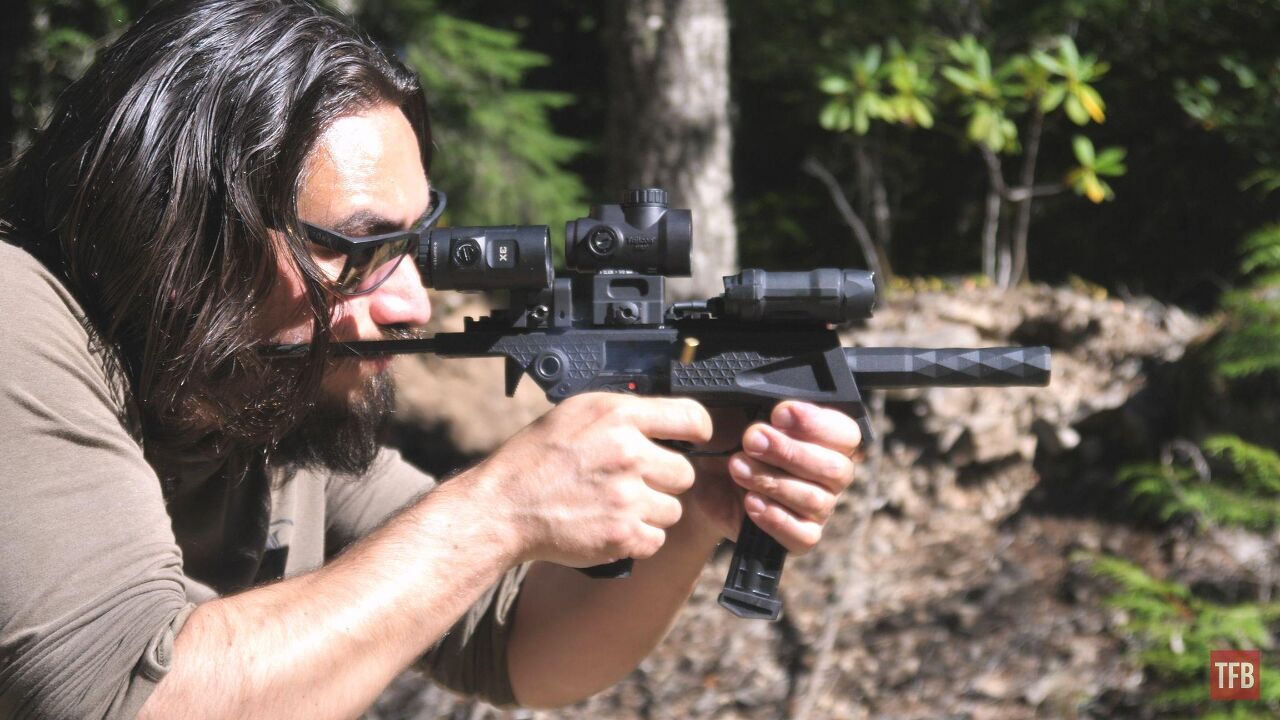
The brace extension is similar to the Mark IV chassis and opens by tugging rearward to get the brace extension open until it locks in. It also features the same button to close the brace. Overall, the platform, especially with a suppressor, gives you a greater amount of stability without sacrificing much in the way of weight, since most of the chassis and the gun are polymer anyway. Metal is really only used in places where it's needed, which is something I think FarrowTech has picked up from Kel-Tec’s manufacturing language.
Some Criticisms
Now for the bad. The slide stop is the biggest ergonomic holdout, and it doesn’t have anything to do with my hand size. It isn't a dealbreaker, but it does keep the FT17 from handling quite as well as a genuine PDW. I'm sure someone could make an oversized slide stop to fix it, but that would take far more effort and investment than what goes into this almost drop-in system.
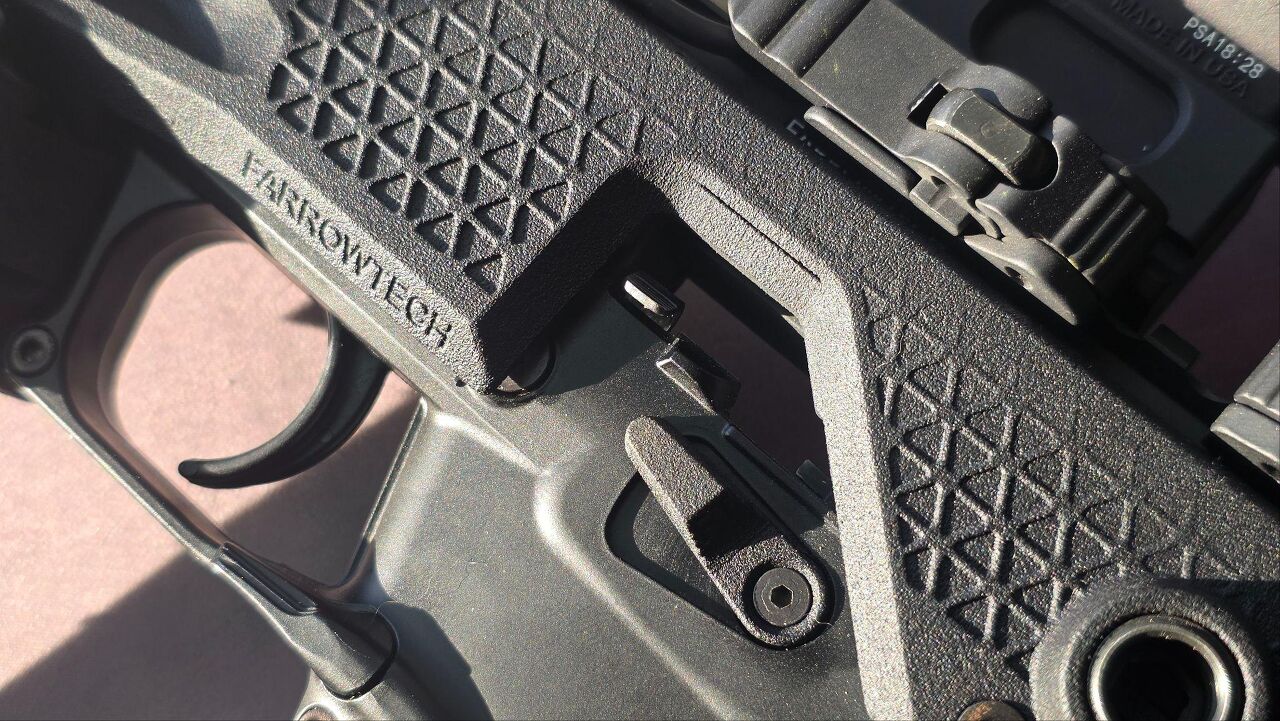
The charging handle covers for the slide stop most of the time, but it looks rather flimsy. It's extremely thin and looks like it might break if you look at it wrong. To its credit, it has held up through four or five range sessions and roughly 500 rounds of plinking so far without breaking.
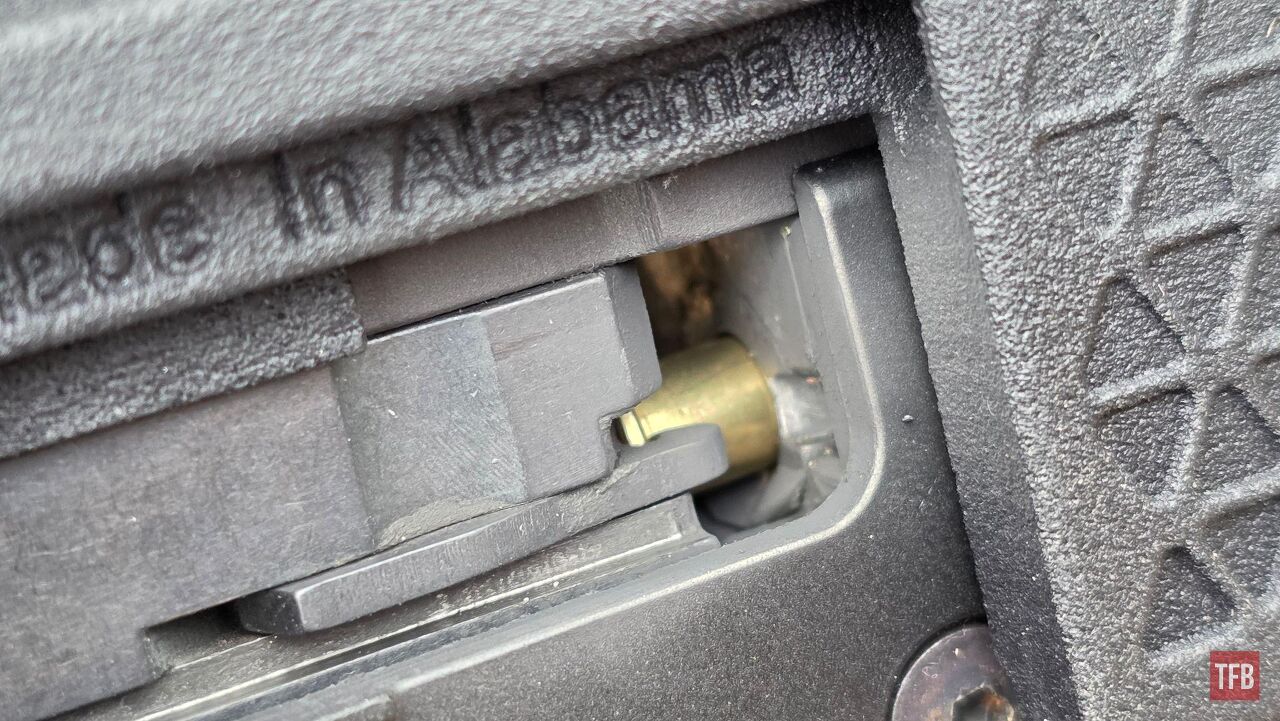
Finally, and this is nothing against the FT17, the P17 is just rather picky about what ammo it'll run unless it's completely clean. I'm abusing this one by running it almost exclusively suppressed, and it gets gummed up in a way my Mark IV, TX22, and P322 don't. As I've shown in some other articles, the P17 especially doesn't like ammo with a thick bullet coating, like CCI Clean-22.
One last thing is more of a wish than an actual criticism. I'd like to see all of FarrowTech's chassis take the same attachments up front. The Mark IV kit had some awesome forward Picatinny rail sections that I found quite useful for kitting out that build, but the FT17 doesn't have them, and they aren't listed as an option on the website the way they are for the Mark IV kit.
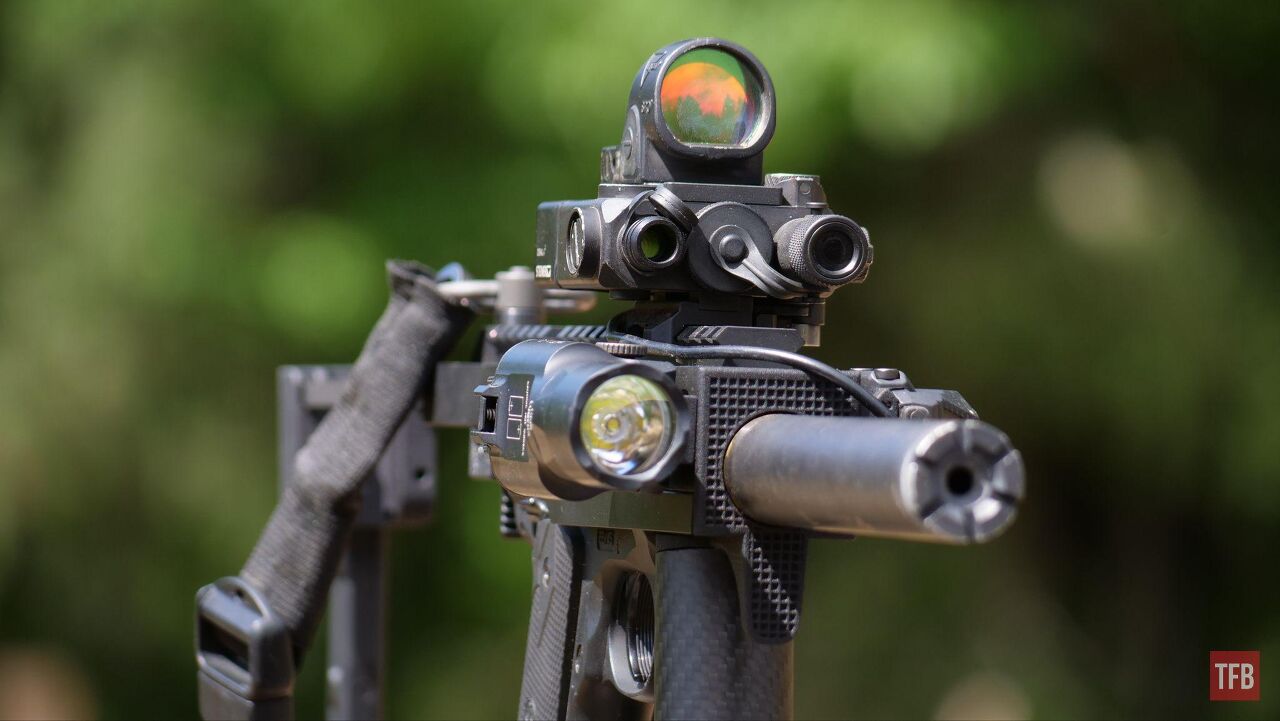
The Mark IV Kit

Final Thoughts
Of the three FarrowTech kits I've run this year, the FT17 makes the most sense on paper and has been the most fun. The P17 lists at $239.99 and commonly sells for closer to $200, so a P17 and an FT17 together run roughly $375 to $645 before all of the expensive stuff (optics and lasers). The biggest overall improvement for me over the Mark IV version is 16 rounds per magazine instead of the Mark IV's 10, in a host gun cheap enough to leave in the housing full-time, although the Mark IV might be a whole lot nicer mechanically.
It isn't a perfect PDW, but it's fun enough and looks cool enough that it always gets a lot of attention at the range, and it's so cheap and so quiet to operate that I think it’ll scratch that itch for those looking to build themselves a fun PDW to plink with. Is this a kit you'd get any use out of? As always, thanks for stopping by to read The Rimfire Report, and we'll catch you again next week!
Related Topics: