The U.S. Small Caliber High Velocity concept started in 1950 with a study, then evolved into testing and evaluation. By the late 1950s, they discussed a .22 caliber rifle with respectable accuracy at 300 yards. The Army Infantry Board brought Armalite’s Eugene Stoner, designer of the AR-10, who impressed the board in 1956. They showed him the ballistic research and asked him to scale the rifle down for an experimental .22 cartridge. This evolved into the .223 cartridge, which emerged when the AR-10 was scaled down into the AR-15 in 1957. Typical engagement ranges from the last several wars led to the conclusion that engagement typically took place within 300 yards.
The Soviet AK-74 Inspiration
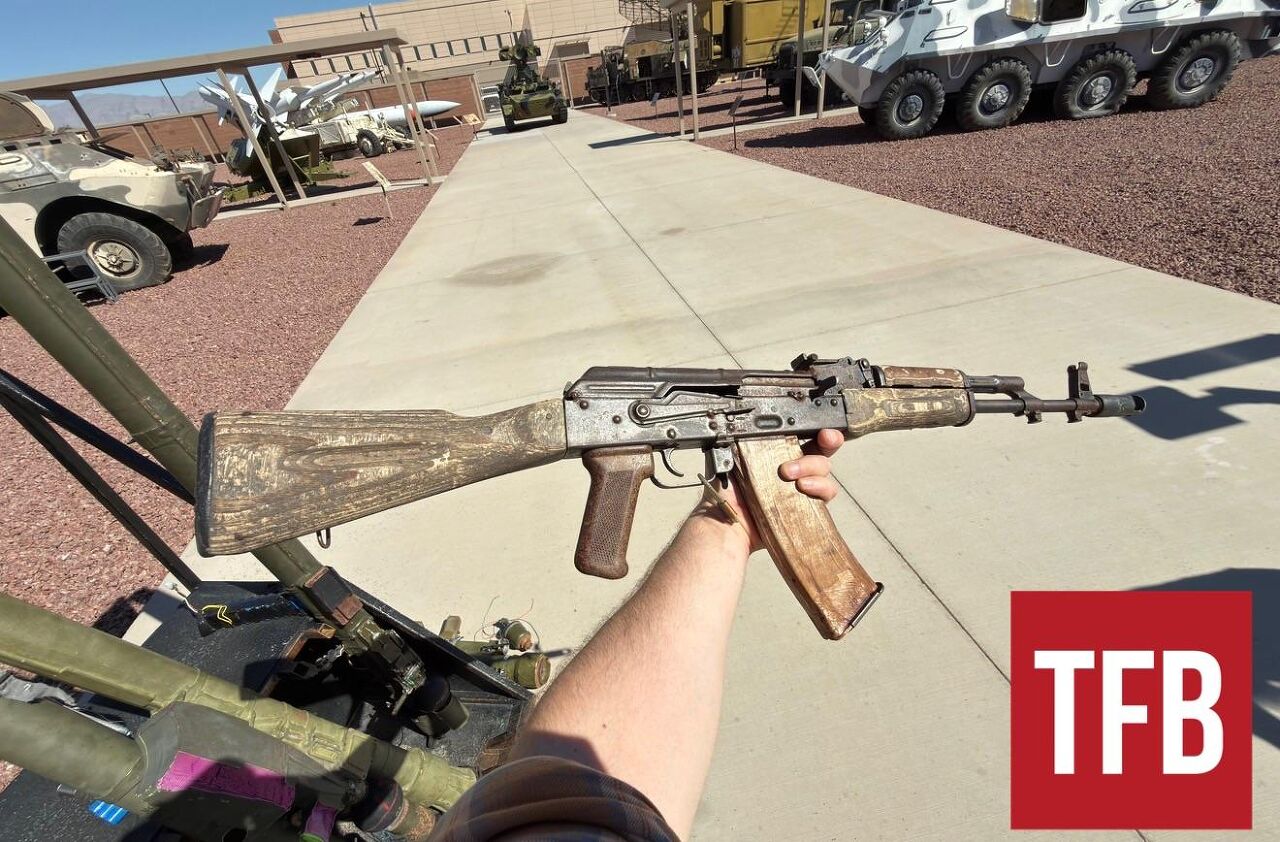
Early 1977 Soviet AK-74, this one has been deactivated.
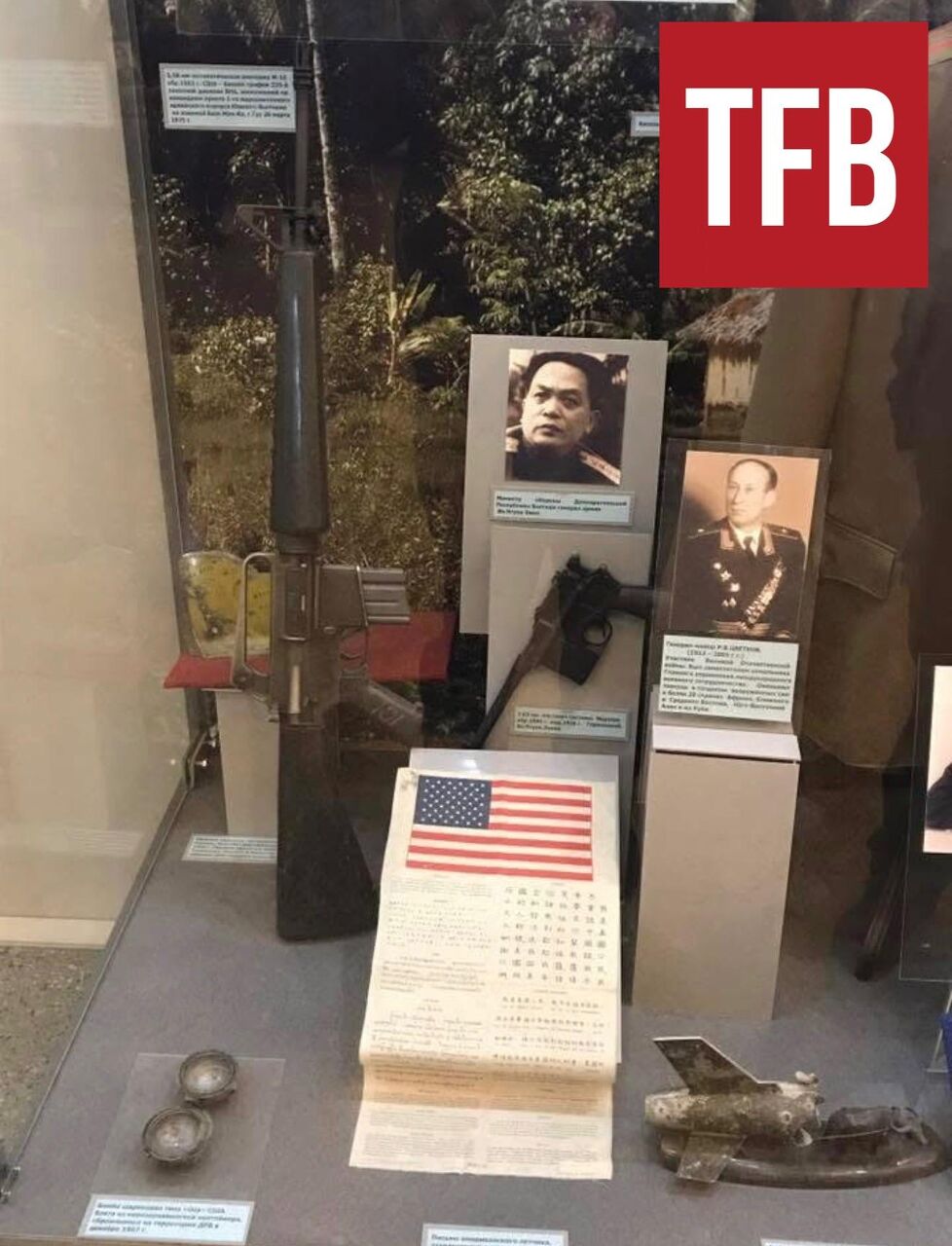
Captured M16 in Moscow, Russia.
Project AGILE program, directed by the U.S. Department of Defense and started in 1961, approved the purchase of 1,000 AR-15 rifles from Colt to test with South Vietnamese troops in combat; this was reportedly the first use in Vietnam and possibly the first opportunity the Soviets could acquire examples through battlefield transfer.
Testing results were reportedly impressive, with most praising the gun’s performance. The field tests further fueled U.S. interest in the gun as U.S. involvement in the Vietnam conflict was on the rise. The AR-15 was adopted as the M16E1 in 1964 and later the M16A1 in 1967, and would become the key U.S. infantry rifle during the Vietnam War.
As development progressed in the late 1950s and early 1960s, the USSR likely caught wind of the developments, but it wasn’t until at least Vietnam that they got their hands on the weapons and ammunition.
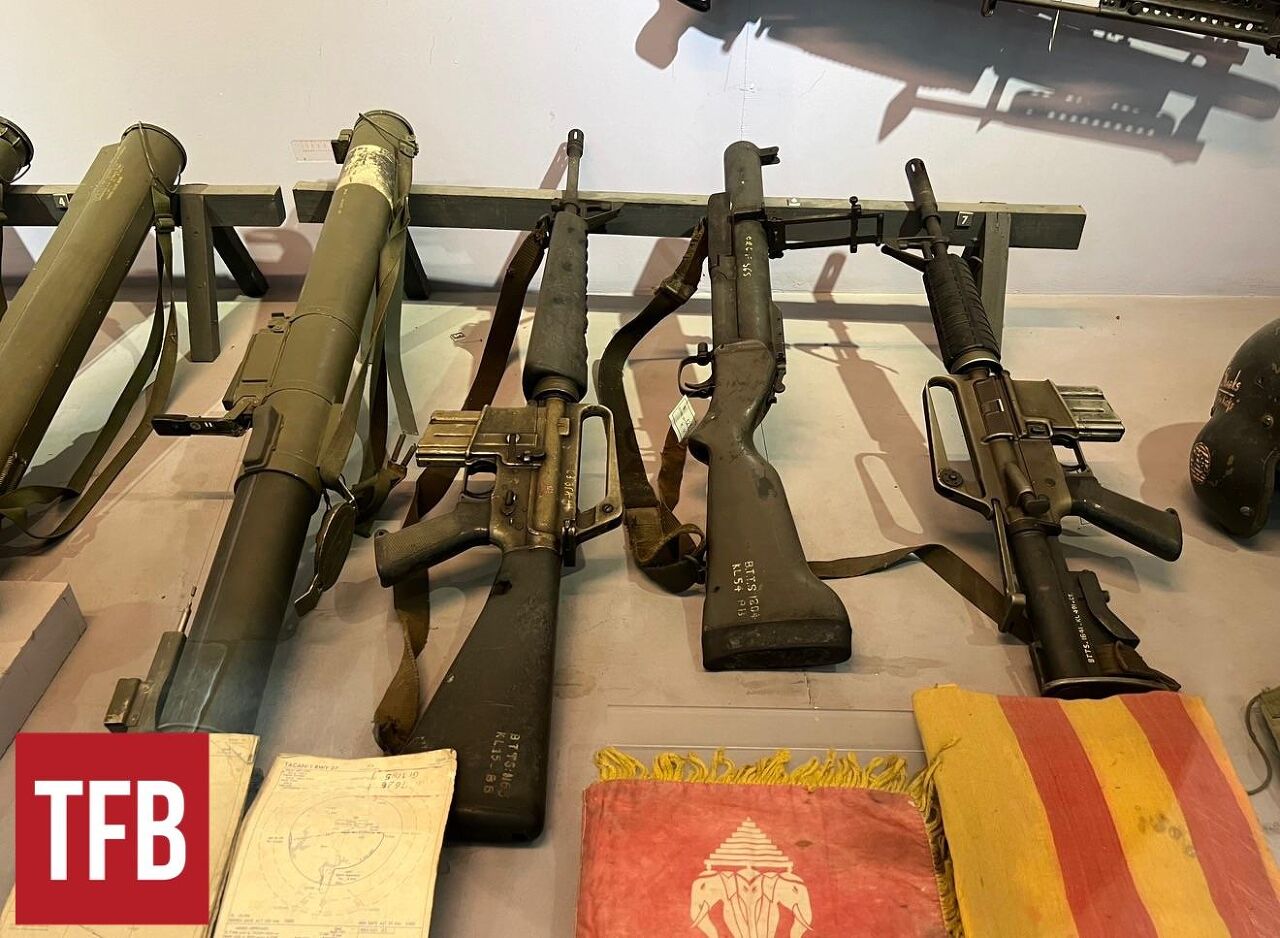
One of the lesser-told stories of that conflict is how battlefield captures and salvage of enemy hardware gave the Soviets, via North Vietnamese channels, a valuable window into U.S. weapons and technology. The result was inspiration in different areas of defense, and here I’ll cover the M16 and the 5.56 cartridge. A good example is the M60 machine gun, which reached the Soviet Union and was delivered to TsNIITOCHMASH in 1962 for testing and evaluation.
Captured U.S. weapons reached Soviet evaluators by battlefield transfer. This effort appears to have involved elements of the Soviet Military Advisory Corps in Vietnam and a dedicated military-scientific team, informally known as the “trophy men.” Sent to Vietnam by the GRU of the USSR General Staff, the five-person team consisted of civilian defense-industry specialists led by the Main Intelligence Directorate and also by the 10th Main Directorate of the General Staff. Their work included preliminary study of captured equipment and ammunition, selection and procurement of representative samples, and shipment of those specimens back to the Soviet Union, so it is likely they may have been involved in sending back the M-16 to the USSR. Once in hand, Soviet designers thoroughly tested the new M16 and 5.56 cartridge and evaluated what they could learn from the M-16.
A strategically significant influence was the U.S. adoption of the smaller-caliber, high-velocity 5.56x45mm cartridge. Soviet observation of U.S. trends in the early 1960s, amplified by captured ammunition and weapons, helped convince Soviet planners that a lighter, high-velocity micro caliber could improve controllability, reduce soldier loadout weight or allow them to carry more ammunition, and improve hit probability. That perception was one of several factors that eventually led to the development and adoption of the 5.45x39mm cartridge adopted in 1974.
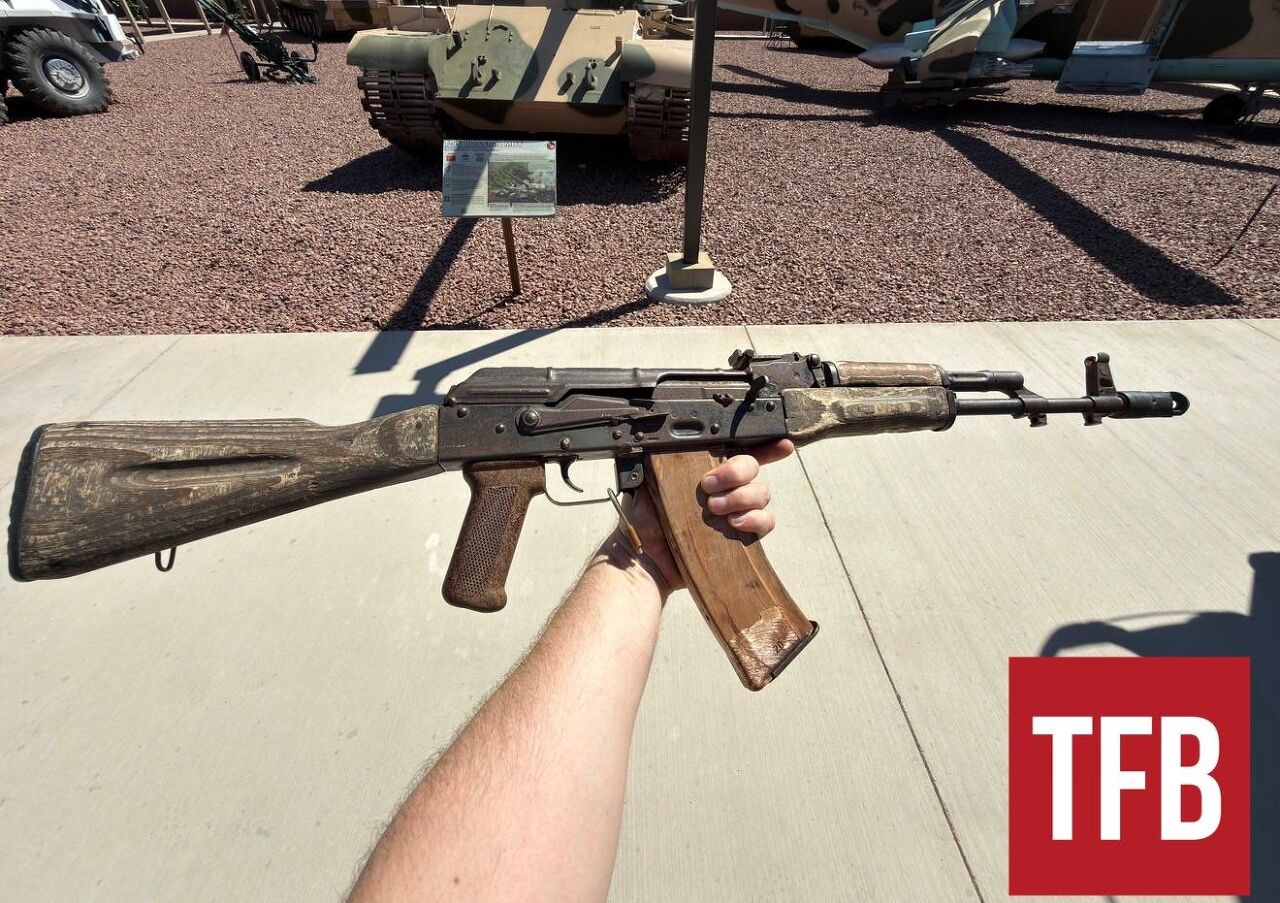
Early Soviet Izhmash 1977 AK-74 with 62-degree gas block.
After evaluating the captured rifle and ammunition, the USSR issued a new tactical and technical requirement, No. 008068, developed as early as 1966, calling for the development of the 5.6-mm assault rifle and cartridge.
The competition reportedly produced more than twenty experimental assault rifle prototypes built on various principles of automatic fire; strict requirements eliminated most designs for one reason or another. Only three samples from designers Alexandrov, Konstantinov, and Kalashnikov were chosen for further refinement and field tests. The competition was between Alexandrov AL-7, Kalashnikov's A-3, and Konstantinovsky SA-006.
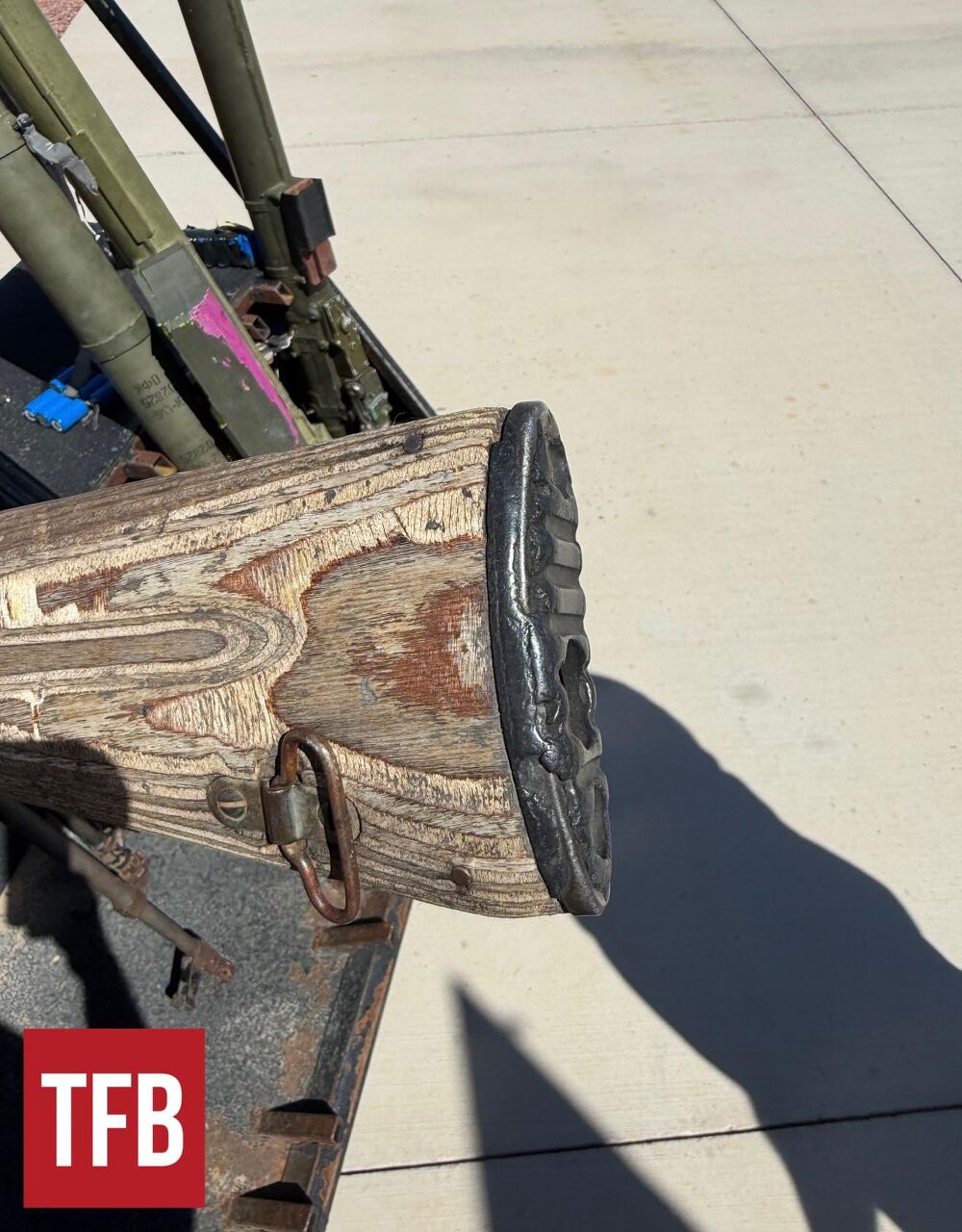
Early rubber buttpad that was quickly replaced with a steel bullet plate.
Field testing started in 1969. Multiple field tests and upgrades to the examples produced no clear winner, as all proved equivalent. From 1969 to 1973, there were multiple field tests of the continuously upgraded prototypes, and in 1973 Kalashnikovs A-3 (AK-74 and P-3 (RPK-74) were ultimately recommended for adoption.
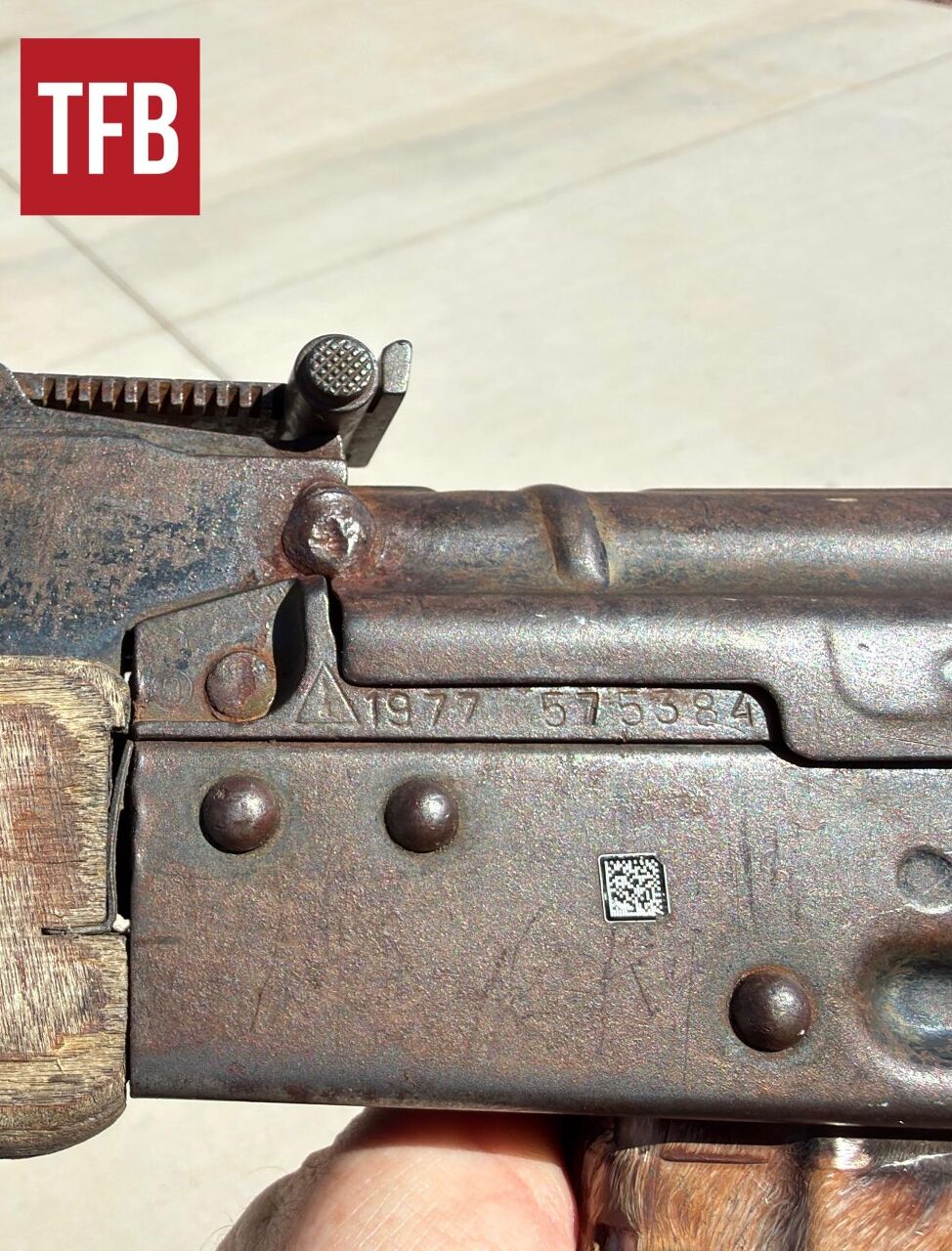
By the Decree of the Central Committee and the Council of Ministers of the USSR No. 54-29 of January 18, 1974, 5.45-mm cartridges, AK (S)74 (N) assault rifles, and Kalashnikov RPK (S)74 (N) light machine guns for them were adopted by the Soviet Army. Order of the Minister of Defense No. 049 of March 18, 1974, finally legalized their status, formalizing their military documentation and GRAU-type classification. This served as the Soviet assault rifle through Afghanistan to the present day.
If this post has you ready to hit the range, head over to gunranges.com - a free directory to help you find shooting ranges near you, wherever you are in the United States.
Related Topics: