The Thompson Submachine Gun
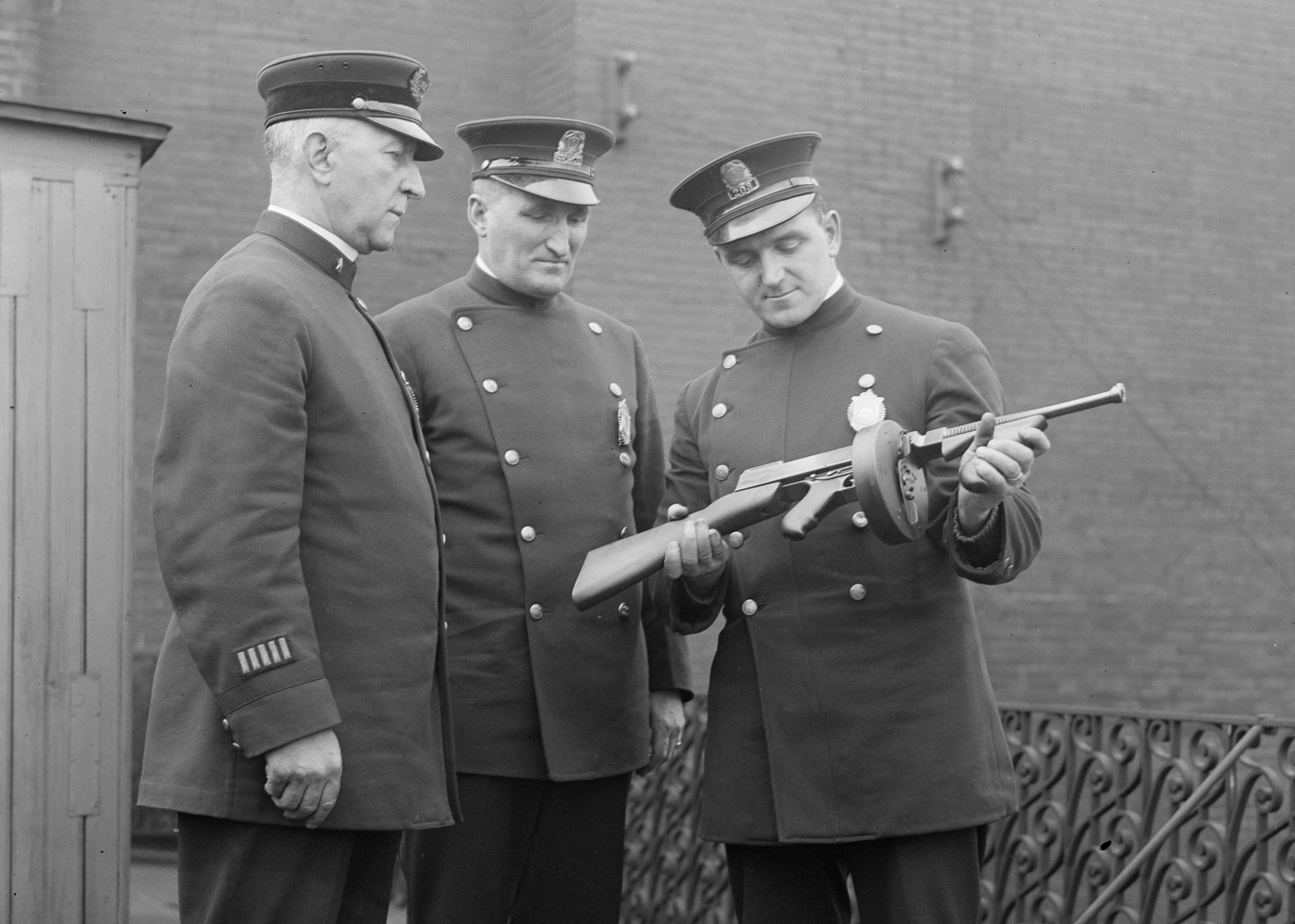
Few firearms have had as colorful a history as that of the iconic “Tommy Gun.”
It was developed for the trenches of the First World War. But, as it arrived too late, the Thompson submachine gun was marketed to civilians, and later was carried by Allied soldiers in World War II. It could be argued that two other equally iconic firearms — the AR-15 and AK-47 — wouldn’t even have been developed had it not been for John Taliaferro Thompson, the inventor of the submachine gun that bears his name.
Thompson, who served in the Spanish-American War as Chief Ordnance Officer, was so successful in running the supply operations to Cuba that he was the youngest officer to be promoted to the rank of colonel at the time. He was next appointed chief of the Small Arms Division for the U.S. Army Ordnance Department, and while serving in that role he supervised the development of the M1903 Springfield rifle and chaired the board that approved the M1911 .45 caliber pistol.
More importantly, in that role, Thompson saw the effectiveness of automatic weapons on the battlefield when used in a defensive role. The heavy water-cooled machine guns like the Maxim, the Vickers and even the John Browning-designed M1917 BAR were effective at creating a near impenetrable field of fire for any solider to try to cross.
World War I turned to a stalemate with each side digging in, where soldiers were forced to engage in futile assaults across “no man’s land” in some cases like lambs to the slaughter.
As the U.S. was on the sidelines, Thompson retired from the military and took a position with Remington Arms Company as chief engineer, where he oversaw production of the Pattern 1914 Enfield rifles for the British and the Mosin-Nagant rifles for Russia. It was during his time with that company that he first envisioned his “trench broom” concept that he believed could be used to provide automatic fire to an advancing soldier.
At that point, the only options for soldiers were weapons like the French-made Chauchat automatic rifle and the American-designed Lewis Gun. Both proved successful in assaults, but attackers could still benefit from a more compact and lighter weapon with a high rate of fire.
Working with John Blish, a commander in the U.S. Navy, Thompson laid the foundation for what would come to be known as the “Tommy Gun.” But then in 1917, Thompson returned to active duty and was promoted to Brigadier General, where he served as Director of Arsenals. By the time Thompson’s prototype, known by the descriptive moniker the “Annihilator I,” was developed, the war had come to a close.
Enter the Thompson
A weapon known as the Annihilator didn’t seem to have a place in the post-war world, but the weapon still could find a market. Thus, at a meeting in early 1919, it was rebranded as the “Thompson Submachine Gun,” which is also notable as it was the first firearm ever to bear the moniker “submachine gun,” as Germany’s MP-18 – the first true SMG – was officially designated “Maschinenpistole 18” as in “machine pistol.”
A new category of firearm was created.
Around 40 units of the original Thompson Model of 1919 were produced, and the few examples that remain serve to show that it was very much a transitional prototype. Yet, it featured many of the attributes of the models to come.
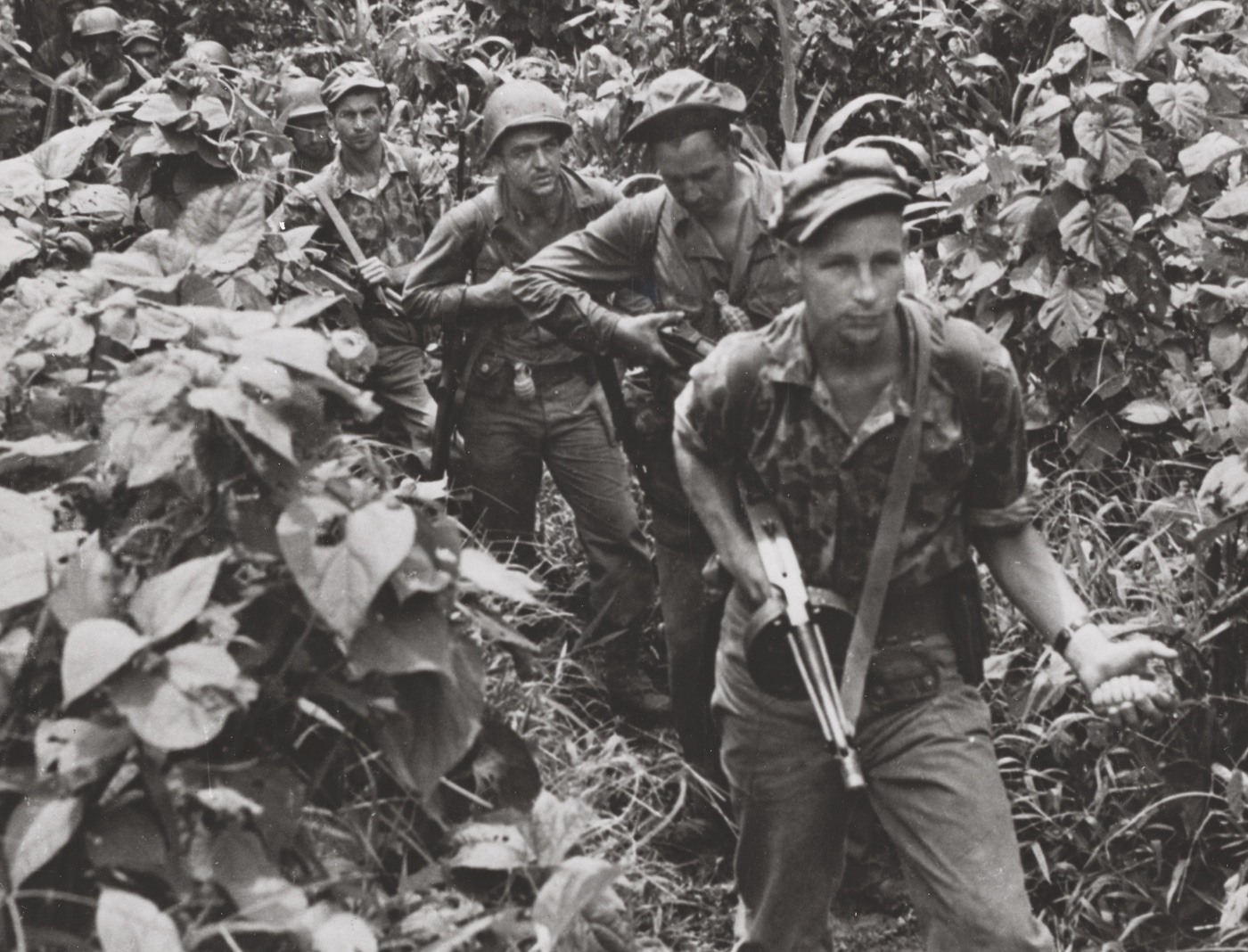
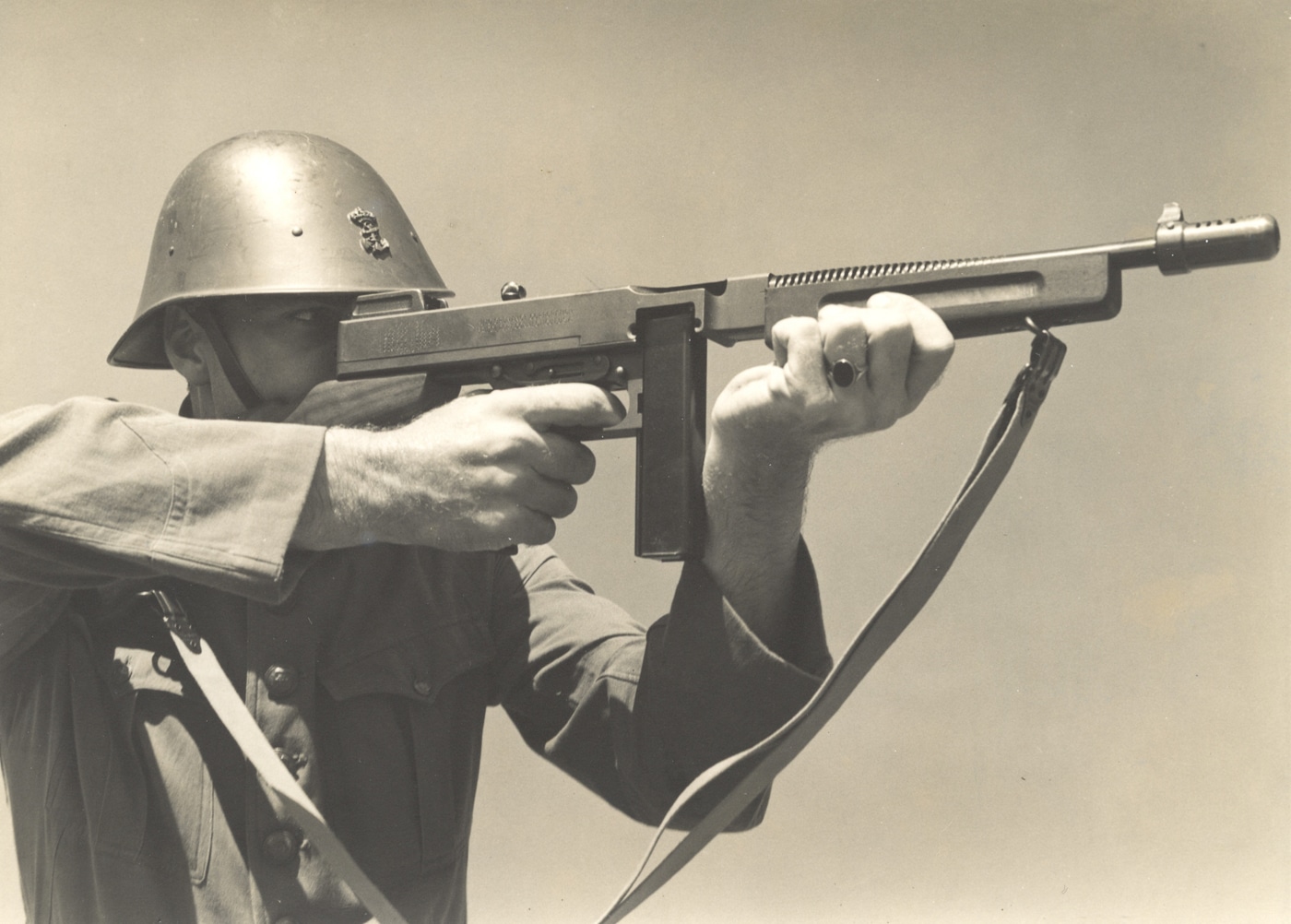
The Thompson SMG entered full production as the M1921 version, a selective-fire weapon that could fire in semi-automatic and full-automatic. With the latter, it had a cyclic rate of 900 to 990 rounds per minute and was chambered to fire the .45 ACP cartridge.
The U.S. military evaluated the M1921 Thompson, but rejected it as well, citing the price. It was seen as exorbitantly expensive, especially as the military was severely downsizing and didn’t see a tactical doctrine for such a firearm. Moreover, the weapon was complex in design and manufacture.
Ultimately, the M1921 was marketed to civilians and sold with a 20-shot “stick” magazine. It retailed for $200.00, which was a considerable amount of money in that day and age as a brand-new car averaged between $300 and $1,000.
Armed Mailmen
The United States military may not have been interested in the Thompson, but the United States Postal Inspection Service did see potential for the weapon as a firearm to protect mail on trains and trucks. In the early 1920s gangs frequently targeted shipments and trains, which was the preferred way to move large, valuable shipments of cash and other goods. In 1926, Postmaster General Harry New purchased 250 Thompsons.
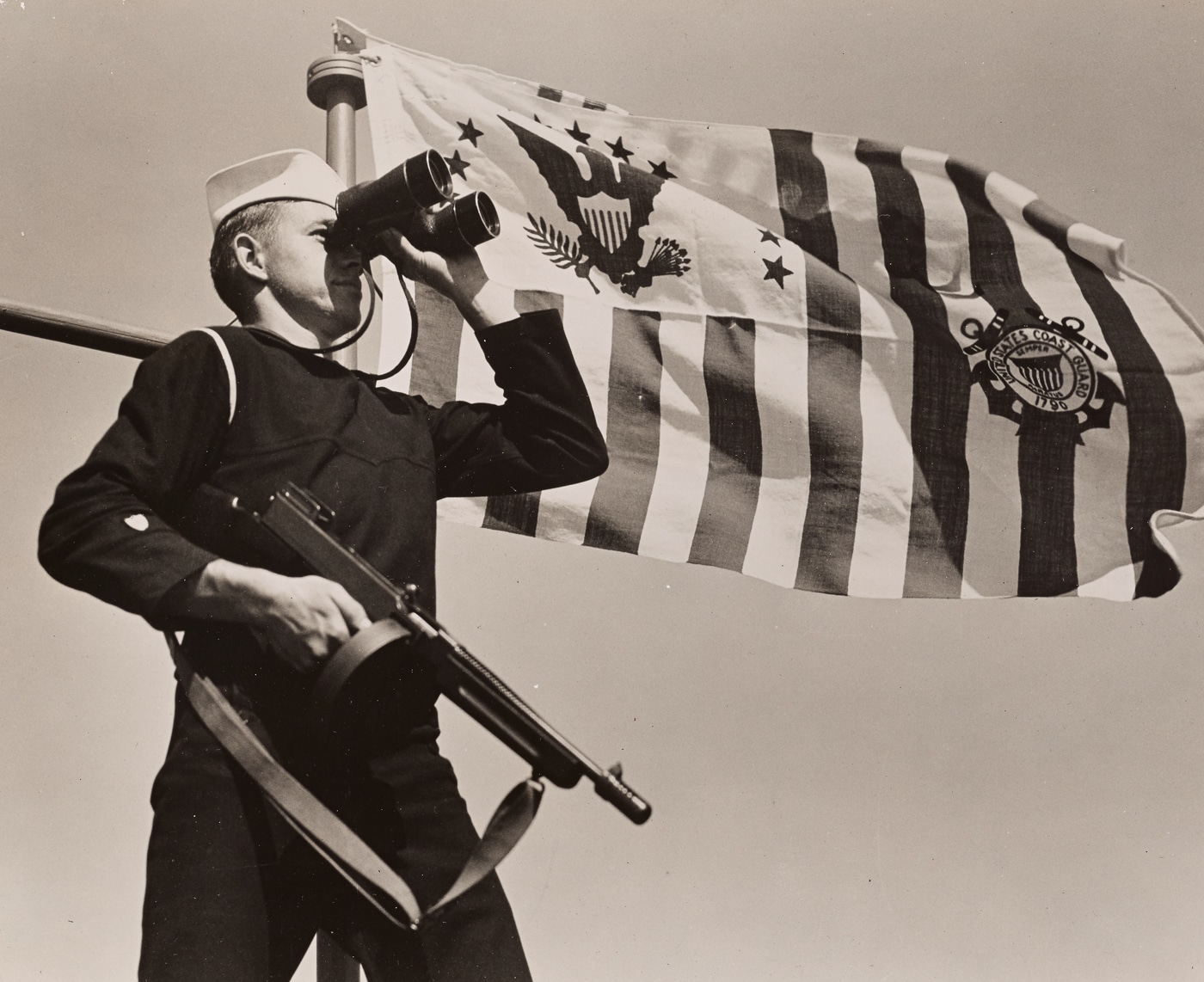
Interestingly, the firearms were provided to United States Marines who were assigned to guard the mail shipments. That led to the United States Marine Corps also becoming an early adopter of the firearm. One story is that those Marines who served with the USPIS sang the praises of the firearm, and it was soon carried with the grunts in postings to China, Central America and the Caribbean. The U.S.M.C. also was the first branch of the U.S. military to consider how an automatic close-quarters weapon could be part of a nine-man rifle squad.
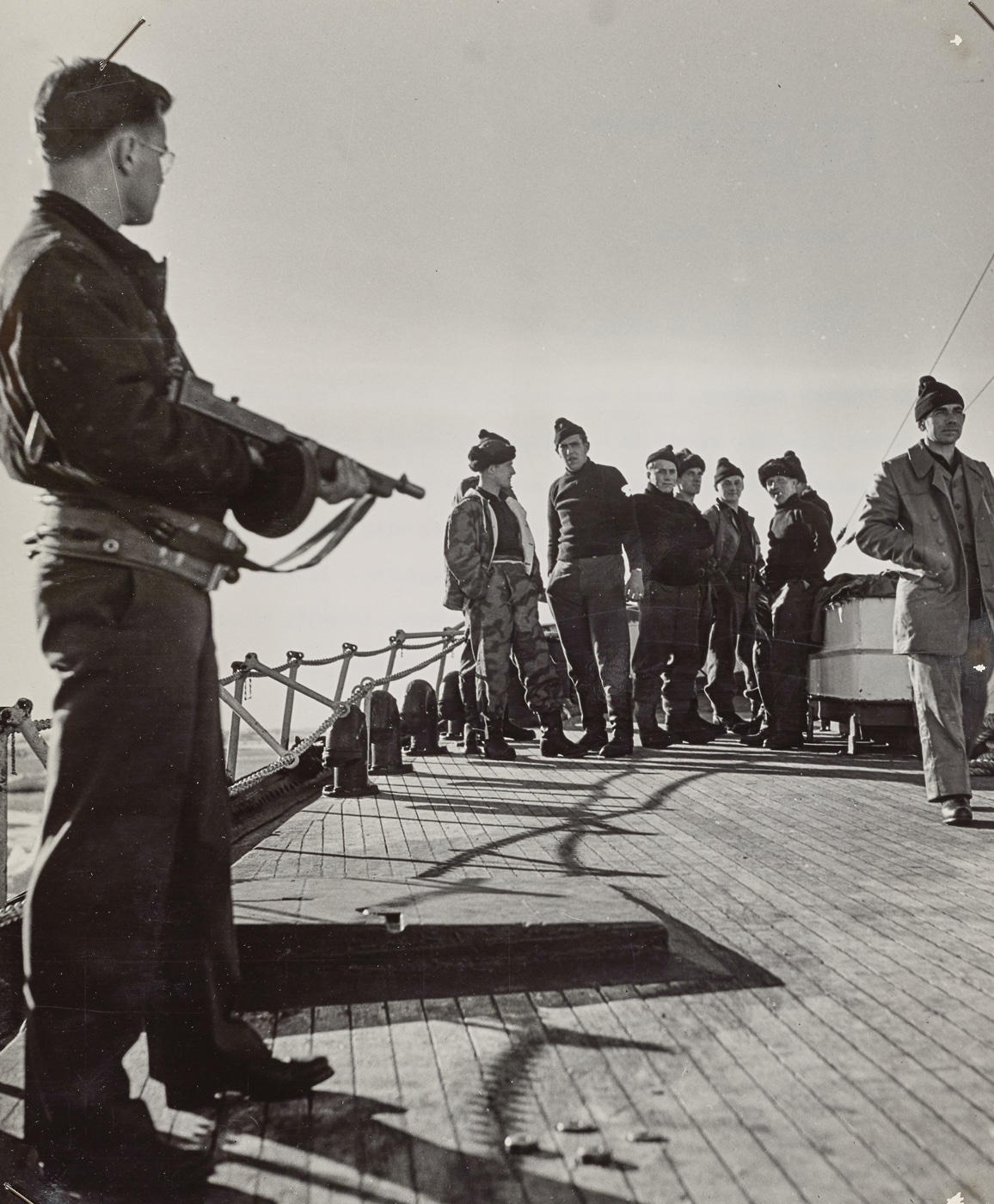
The first recorded use of the Thompson by the U.S.M.C. was in the Second Nicaraguan Campaign (1926-1933), where it was deployed for close-range jungle firefights and to protect patrols against the Sandinista rebellion.

Live The Armory Life. The latest content straight to your inbox plus an automatic entry to each of our monthly gun giveaways!
I have read and agree to the terms & conditions.However, the Thompson had already had its baptism of fire in combat with another “army” across the Atlantic – namely the Irish Republican Army. An undisclosed number of M1921 Thompsons were smuggled into Ireland and used by the IRA against the British military in the Irish War of Independence (1919-21).
Multiple sources suggest members of the Dublin Active Service Union (ASU), led by Oscar Traynor, used two Thompsons to fire on a train that was transporting soldiers of the British Army’s Royal West Kent Regiment. The attack on June 16, 1921, reportedly wounded three soldiers. It was then used by both sides in the Irish Civil War that followed.
The Gangland Guns
Apart from firearm retailers and the few buyers in the 1920s, the general American public likely never heard of the Thompson submachine gun, or even knew that such weapons existed — despite what movies and TV shows now suggest. Shootouts between gangsters occurred far less often than what media depicted, and when there were a gunfight, handguns and sawed-off shotguns were typically the weapon of choice.
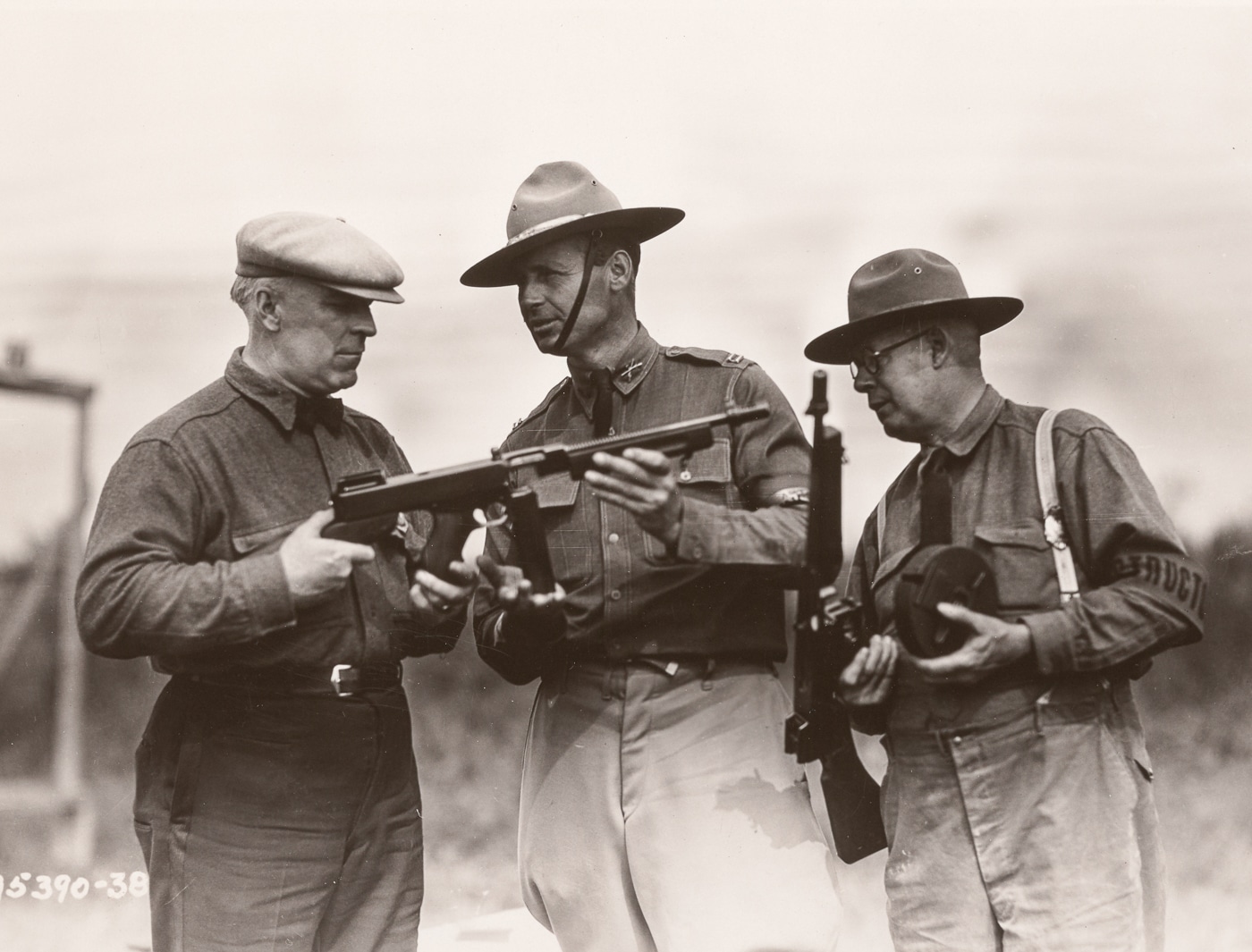
Ultimately, the primary buyer of the Thompson became the United States military, which finally began bulk purchases in 1938 as the clouds of war appeared on the horizon.
The design was nearly 20 years old, but it was to prove well-suited to the coming conflict, with some modifications.
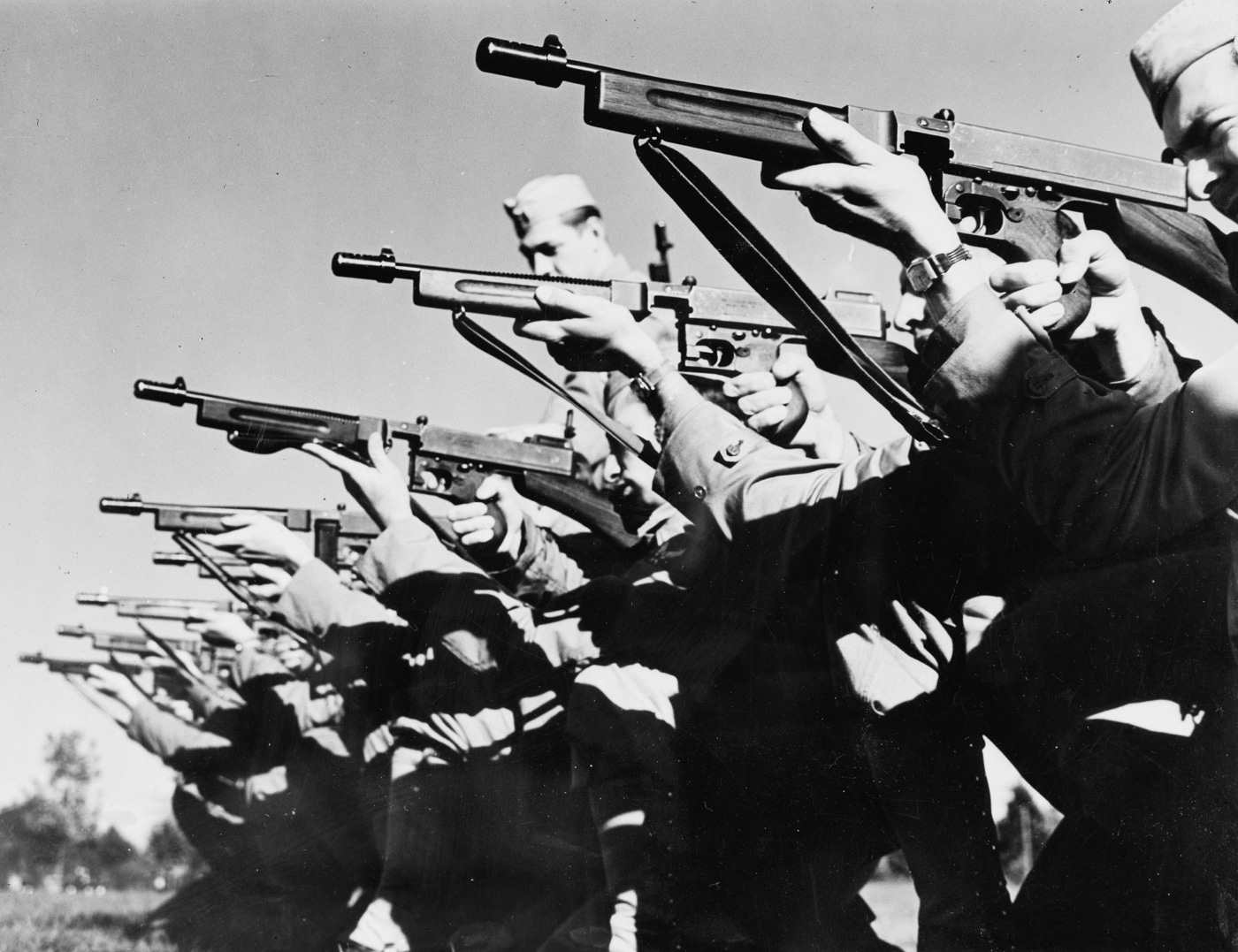
The Thompson was updated as the M1928, which primarily slowed the rate of fire from an almost uncontrollable 900 to 990 rounds per minute to 700 rounds per minute. In addition, the Cutts compensator was added to reduce muzzle climb and helped contribute to the military’s adoption. The M1928 version retained the iconic radial cooling fins on the barrel and interchangeable vertical or horizontal wooden fore-grip.
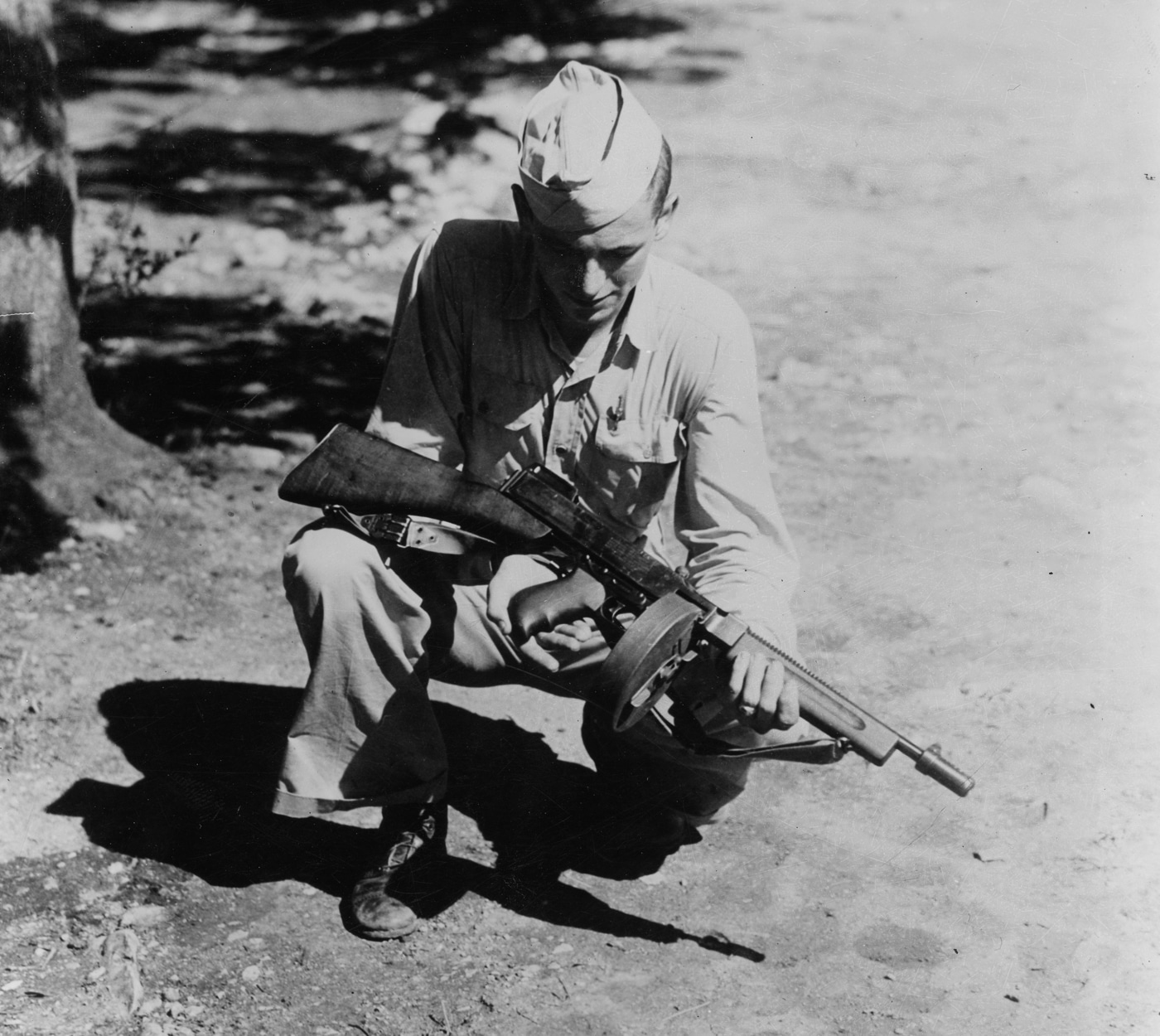
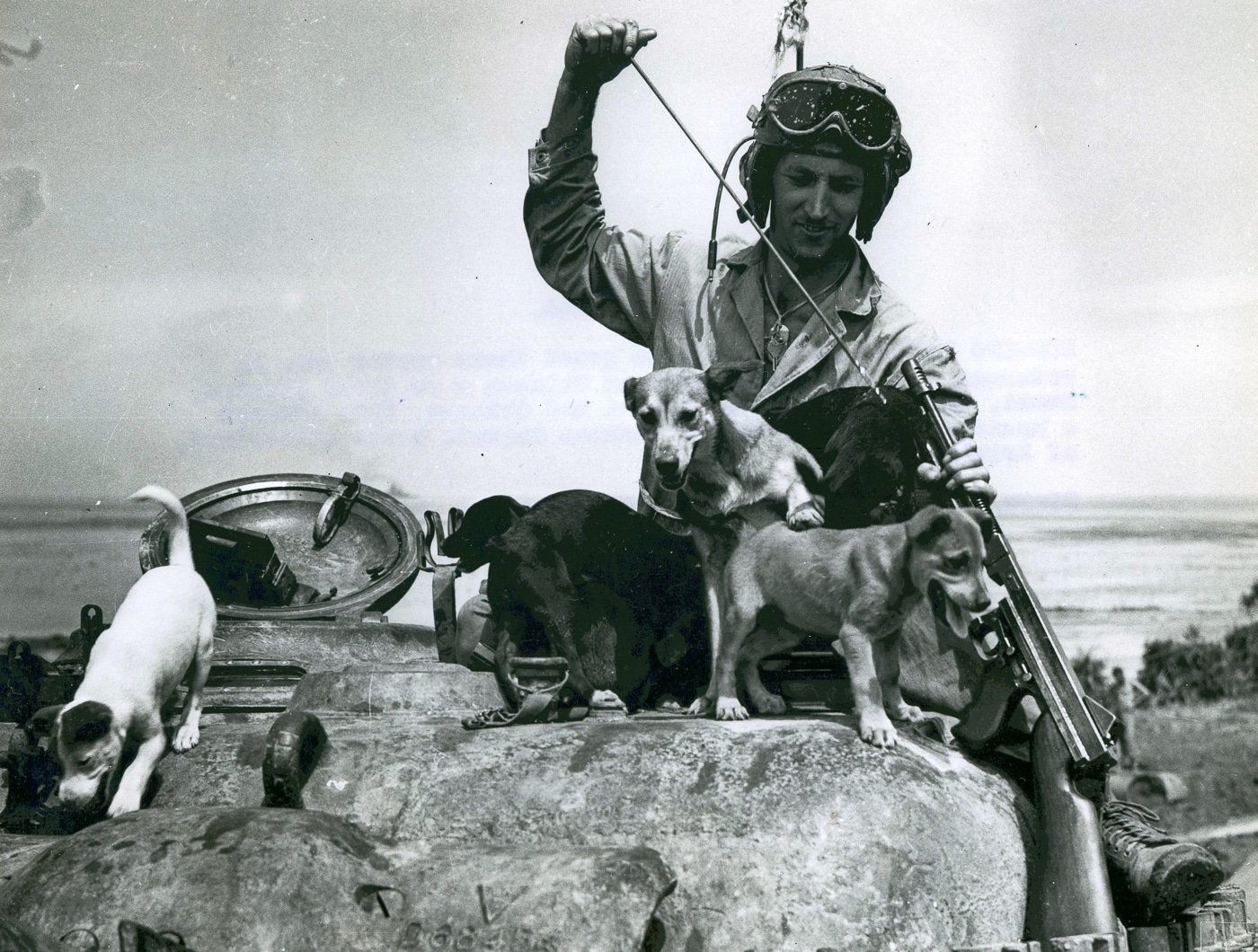
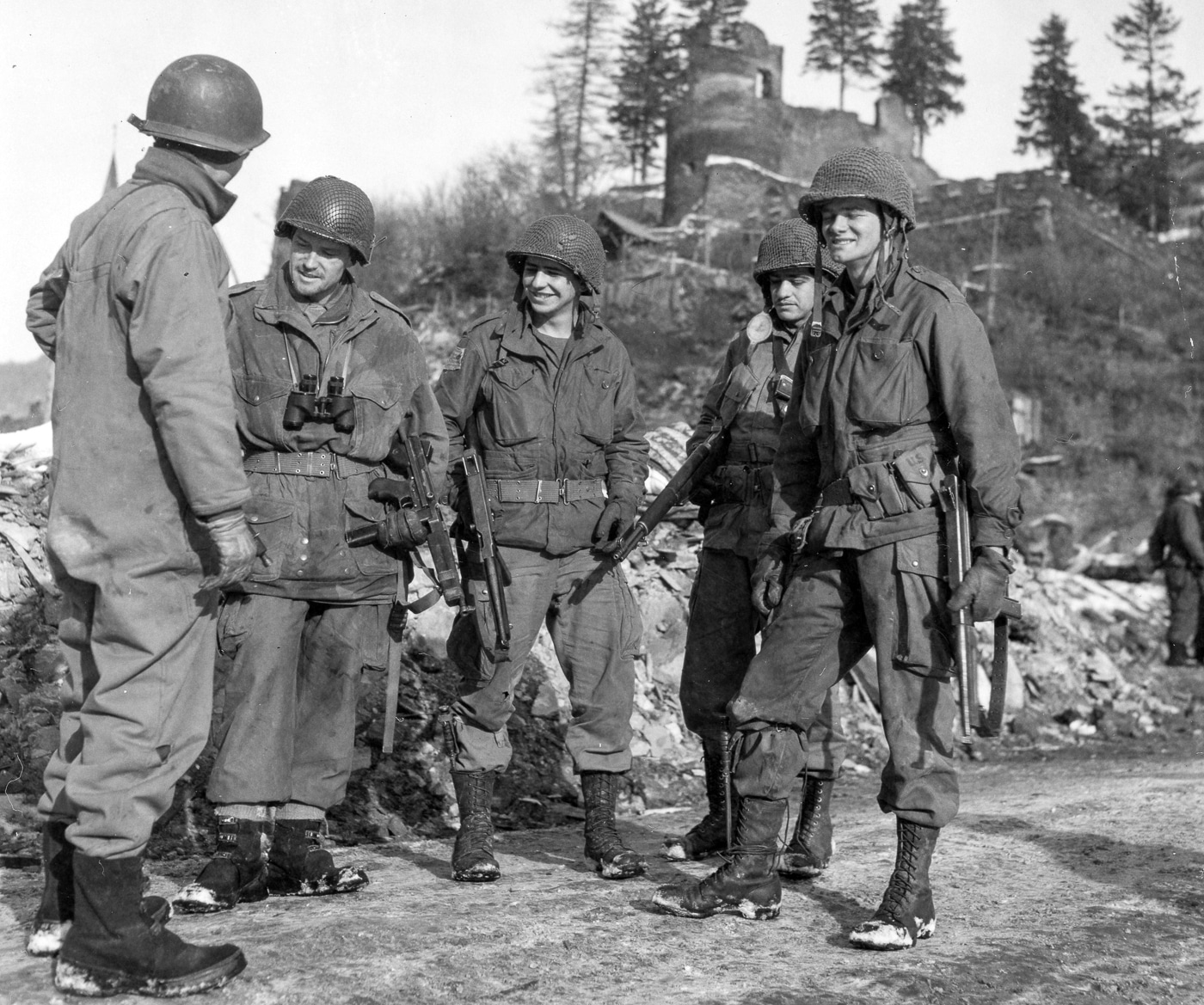
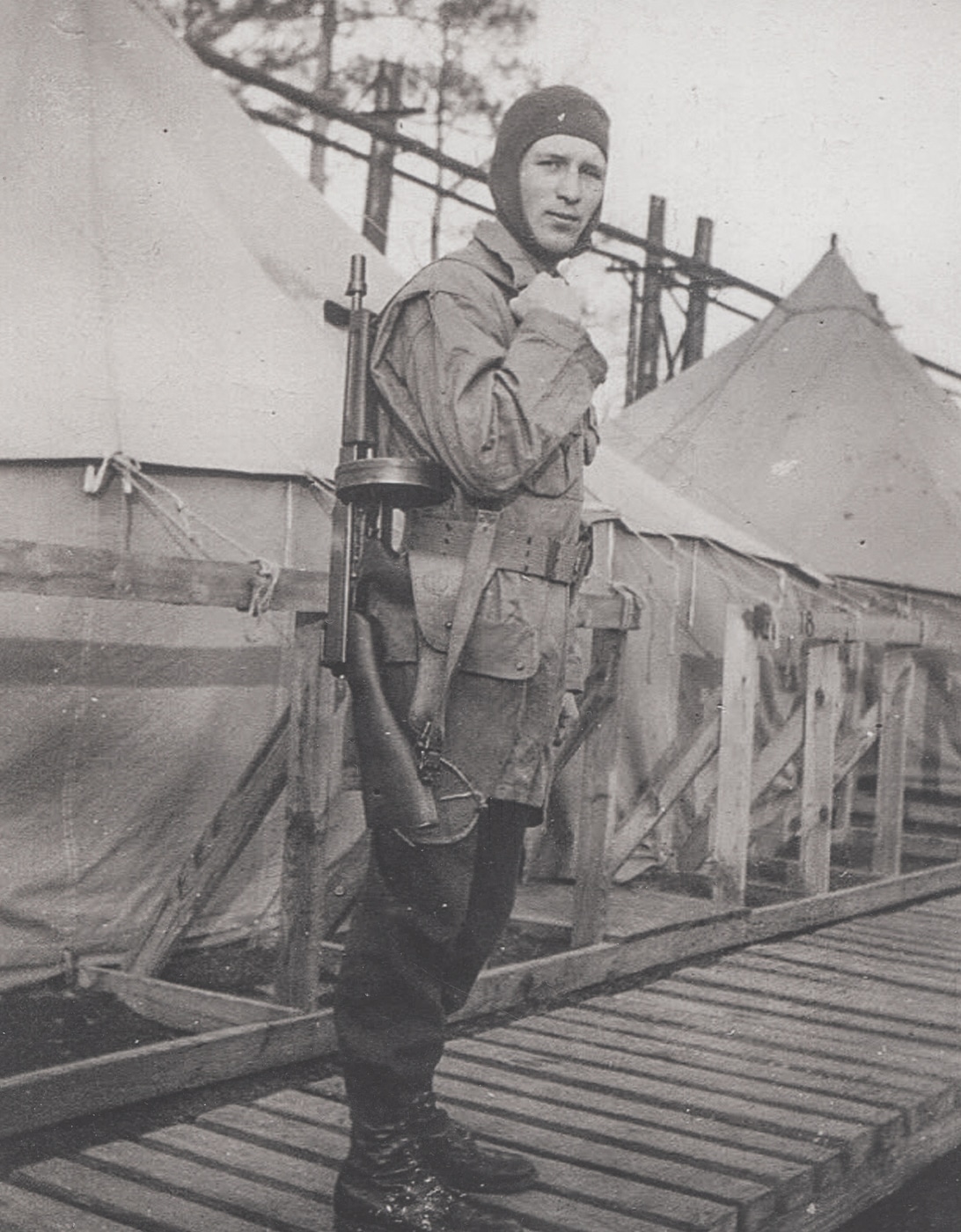
With the outbreak of World War II, the M1928A1 was introduced, which replaced the wooden vertical fore-grip with a flat, horizontal fore-grip. Late-production barrels were also produced without the cooling fins to speed up machining time and to further reduce costs. Both versions accepted the 50-round drum magazine that had been introduced with the M1921 model.
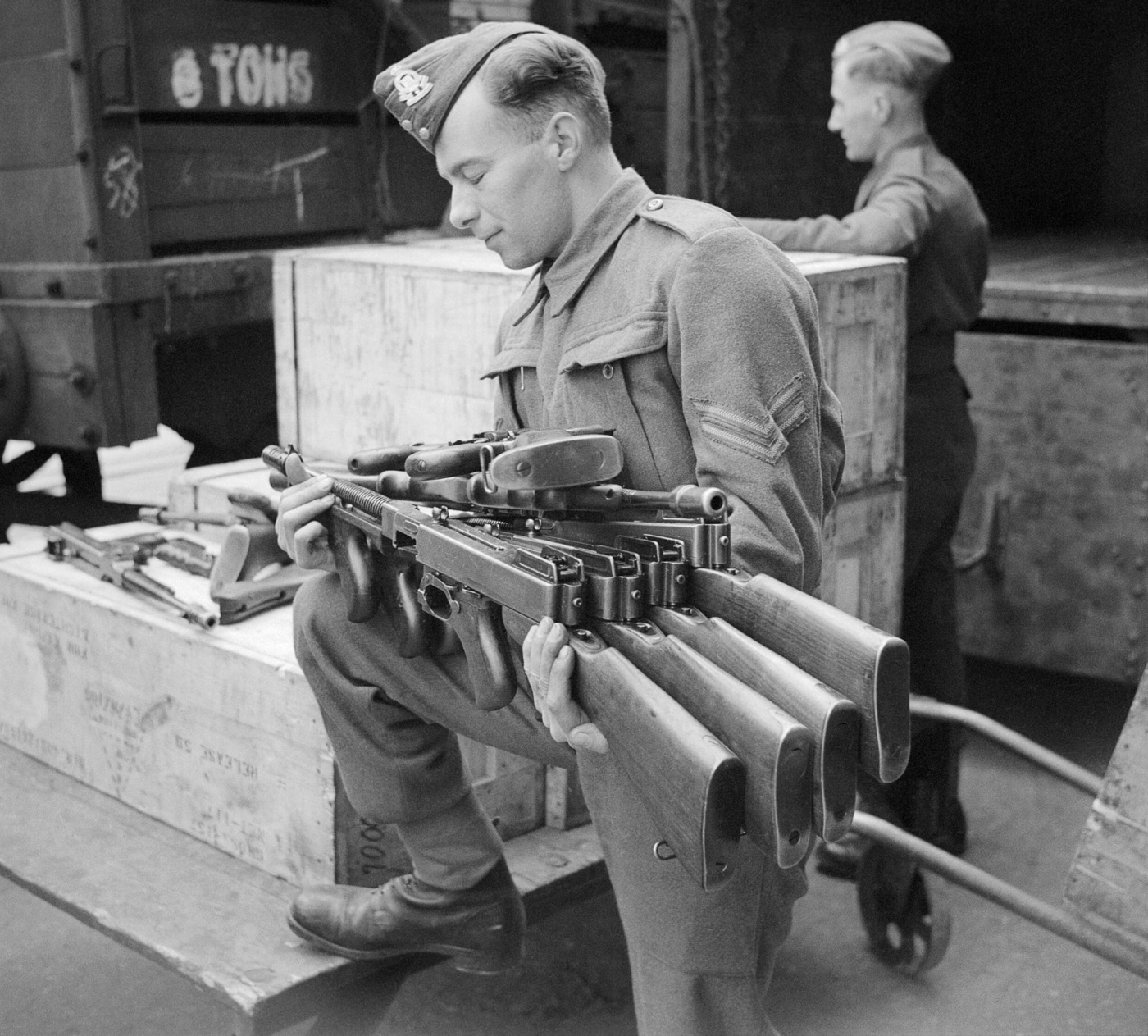
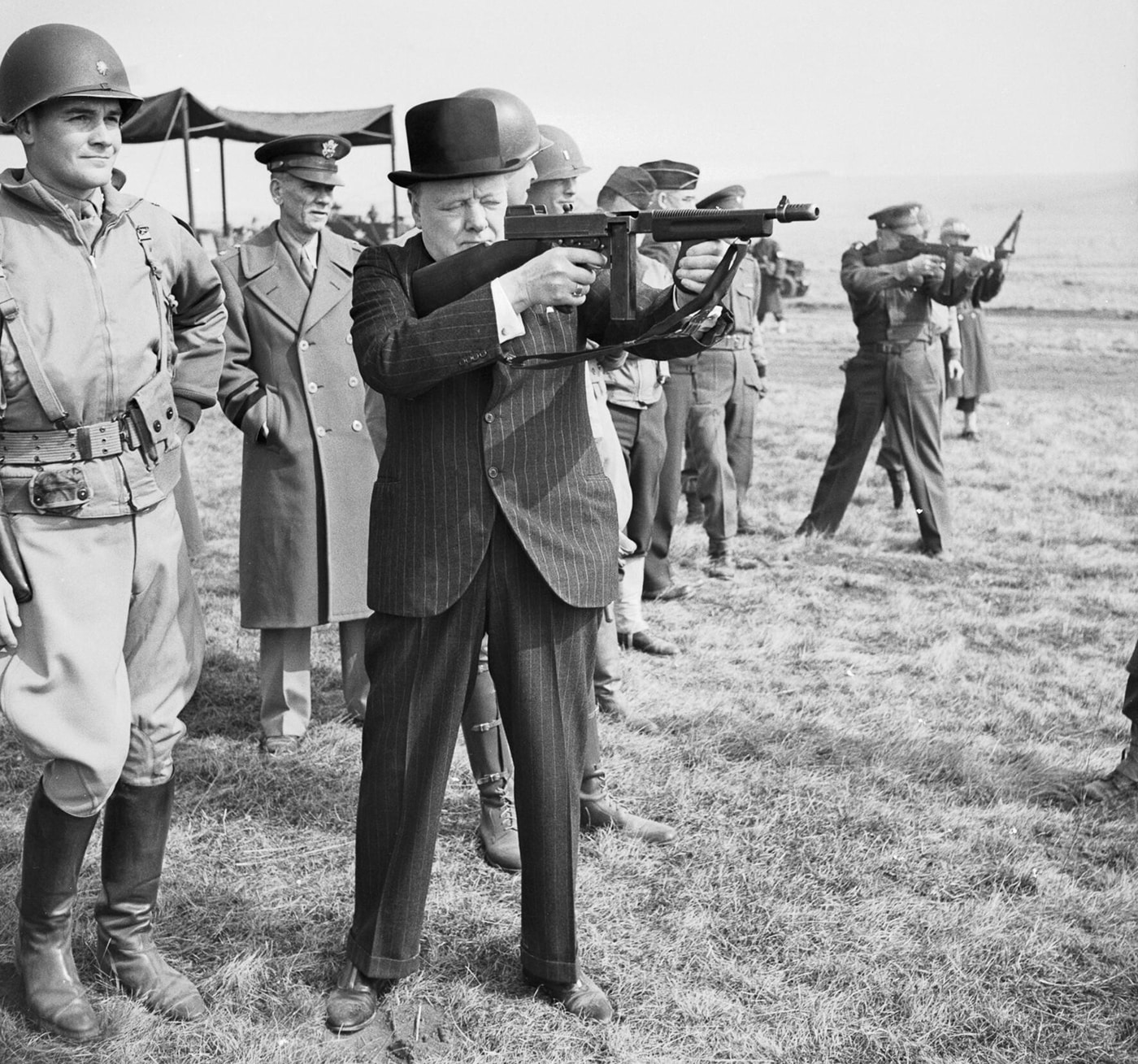
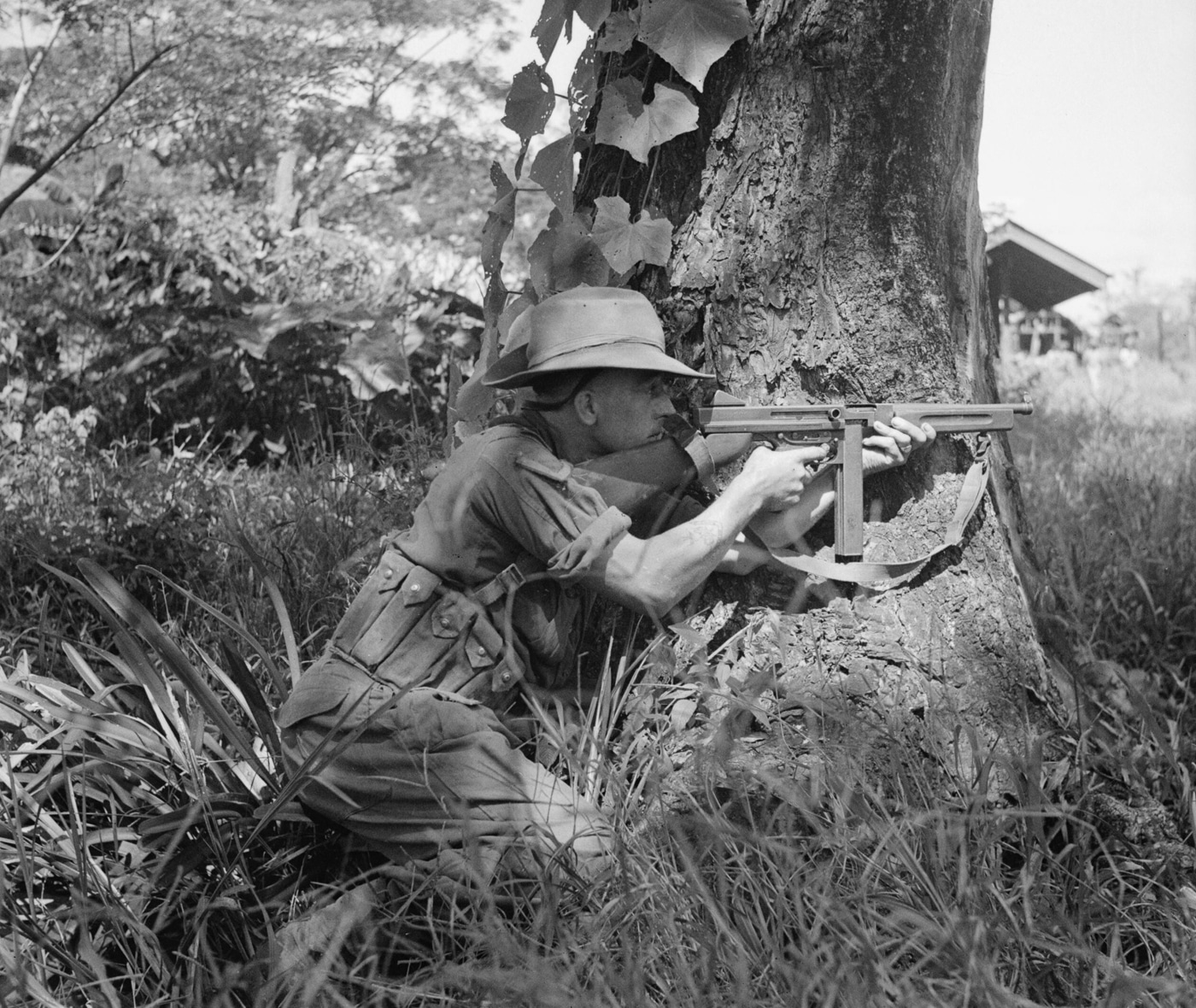
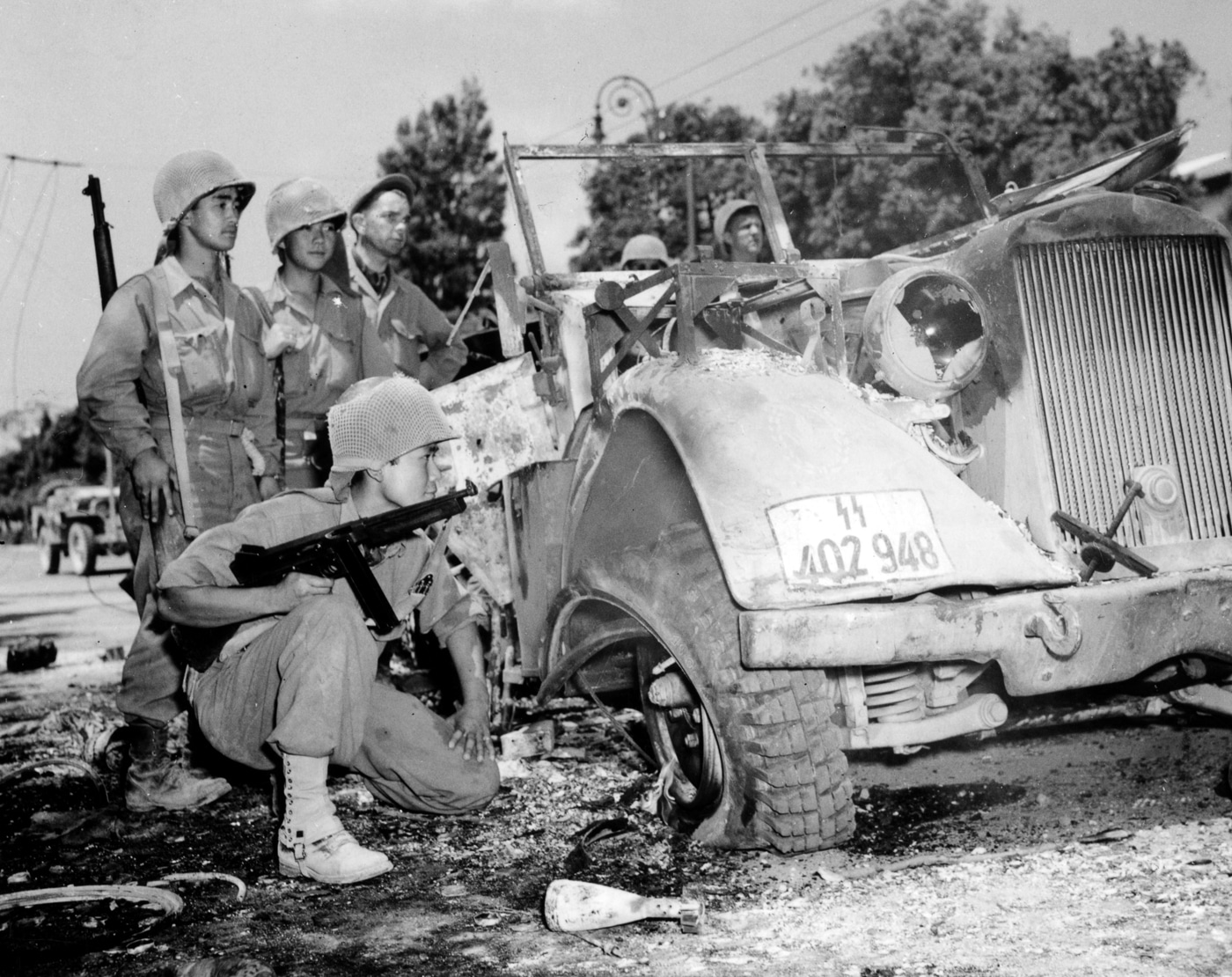
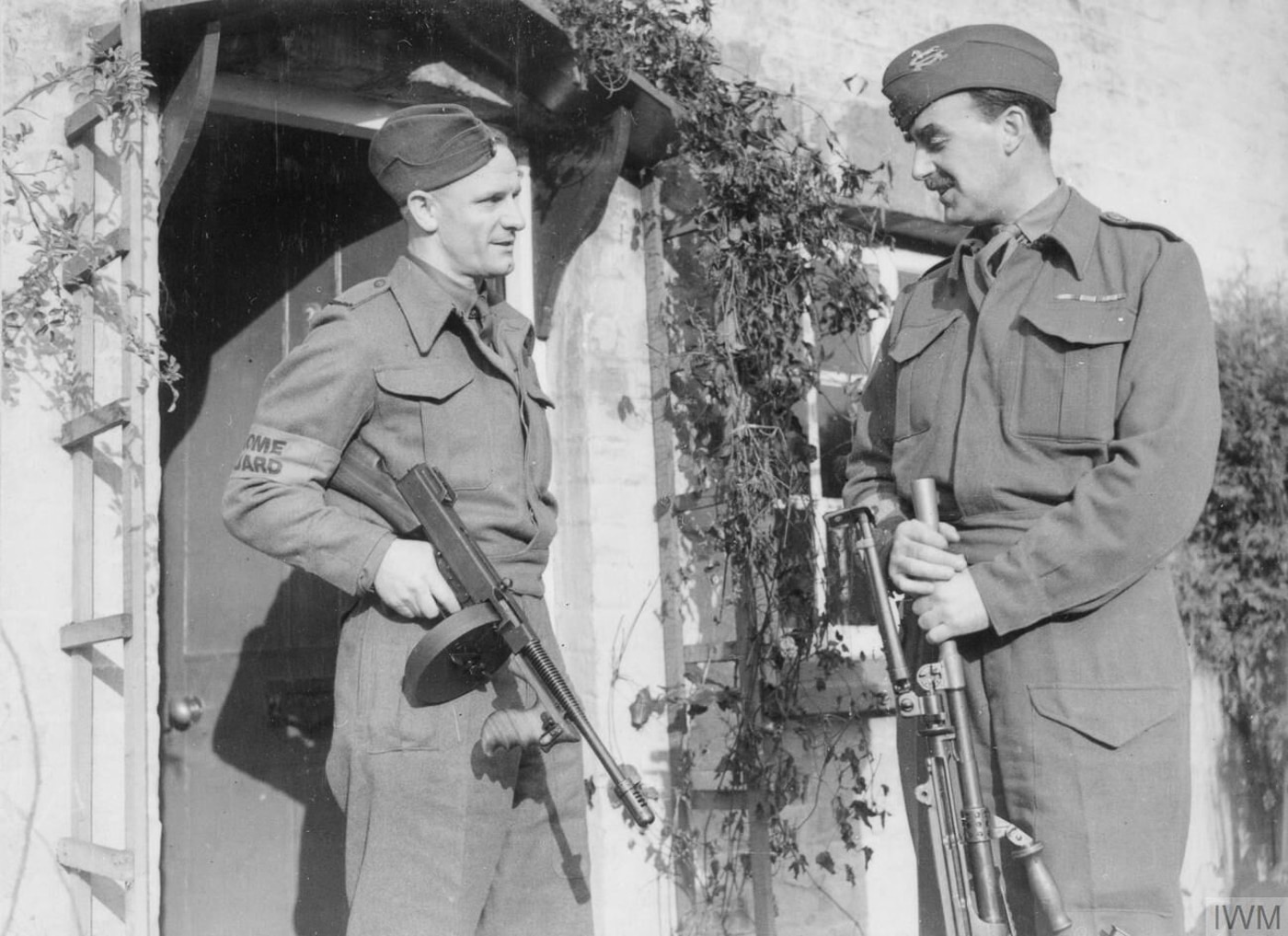
The M1928 and M1928A1 were used in the early stages of the Pacific War and by Allied forces in Europe via Lend Lease. In British service, it was officially designated the “Thompson machine carbine.” A famous photo shows British Prime Minister Winston Churchill wearing a pinstripe suit with his signature bowler hat (and an oversized cigar in his mouth) while holding an M1928 Thompson during a military inspection near Hartlepool in 1940.
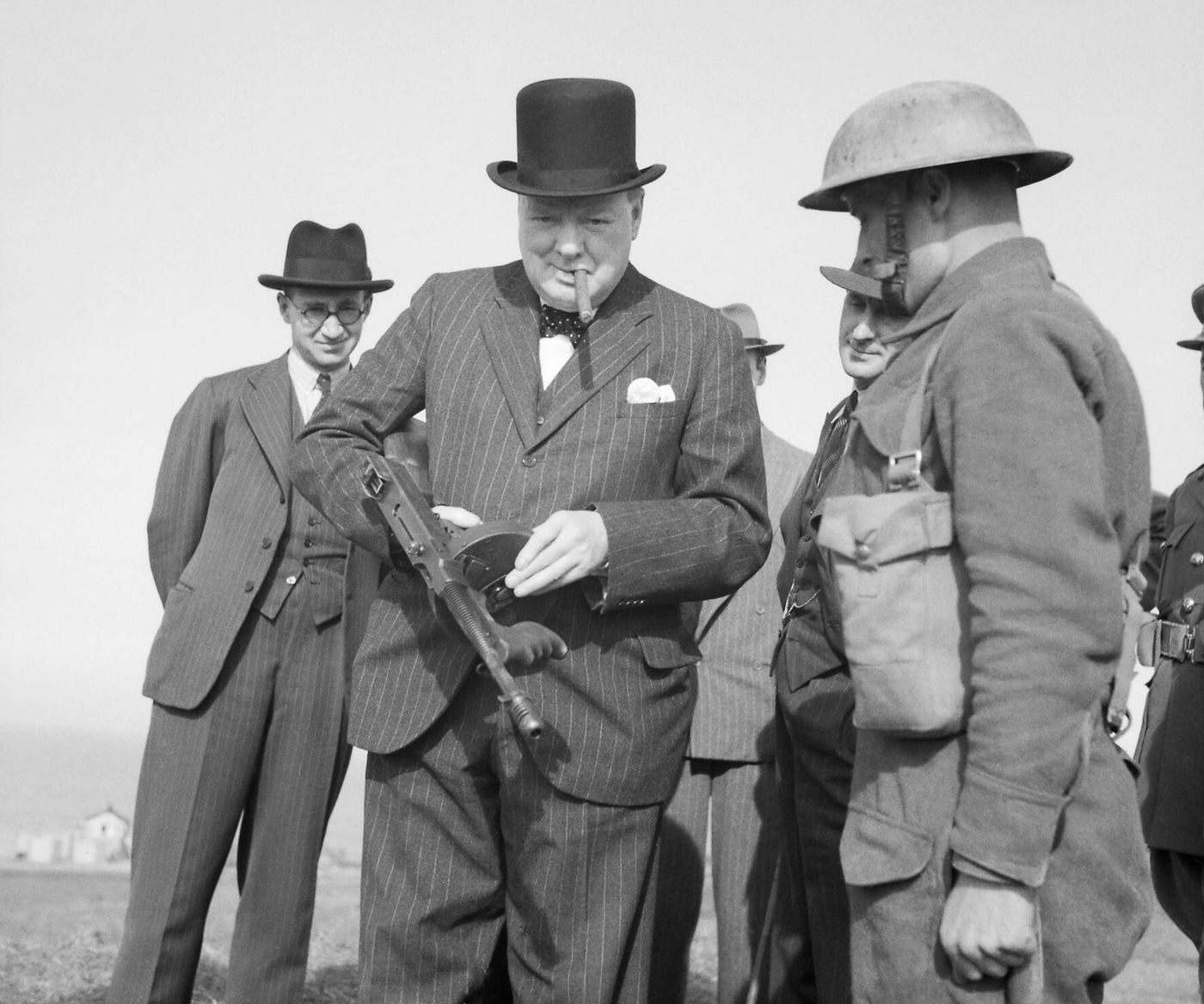
The German propaganda ministry obtained the photo and quickly compared Churchill to an American gangster. The Nazis even dropped leaflets over the UK that resembled a wanted poster!
The Wartime M1 and M1A
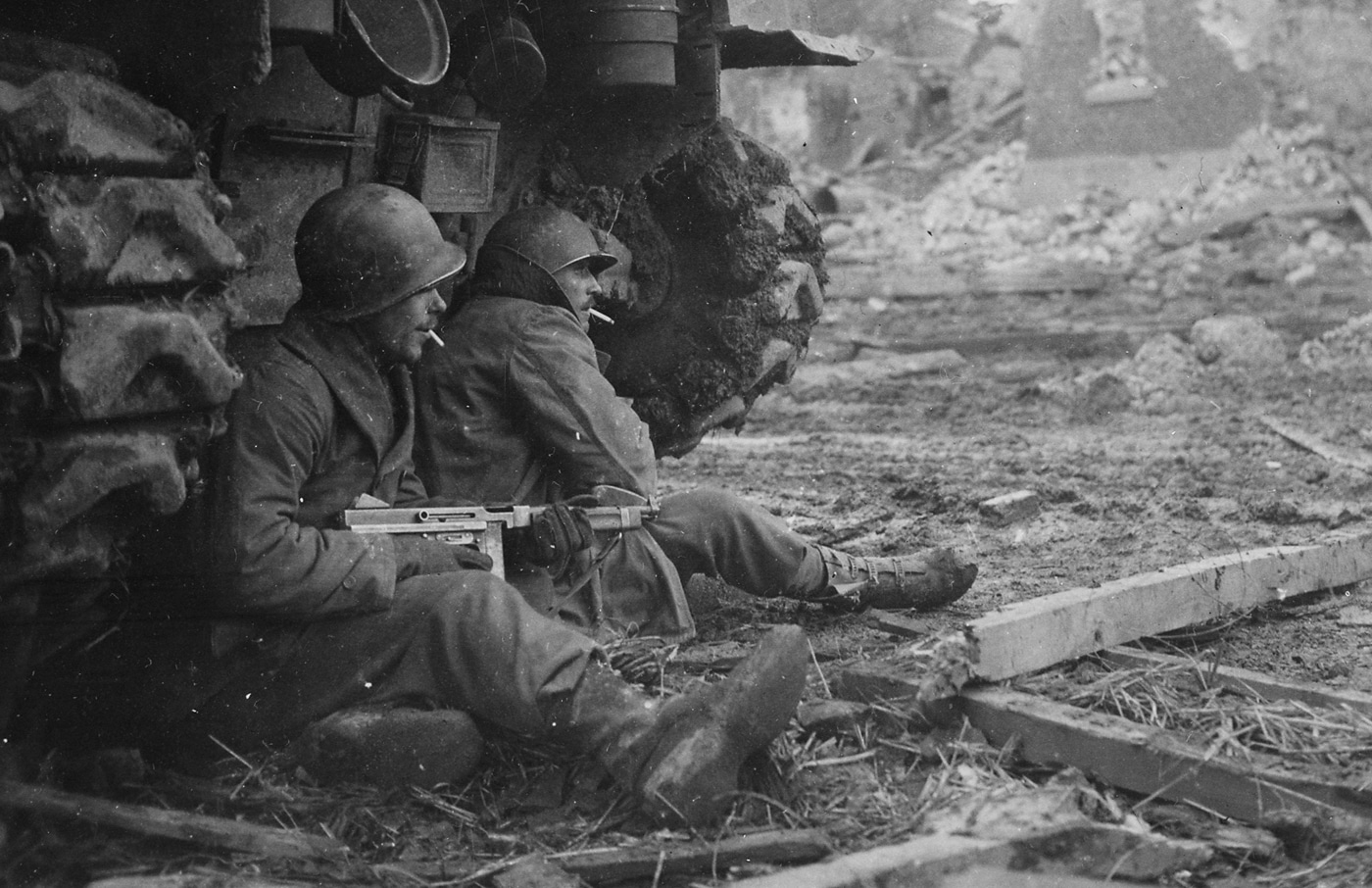
To meet production demands, the Thompson was further simplified as the M1 model, which was adopted by the U.S. military in 1942. It simplified the design, eliminating the complex Blish lock and top-mounted charging handle in favor of a straight blowback system and a side-charging handle, making it cheaper and faster to produce.
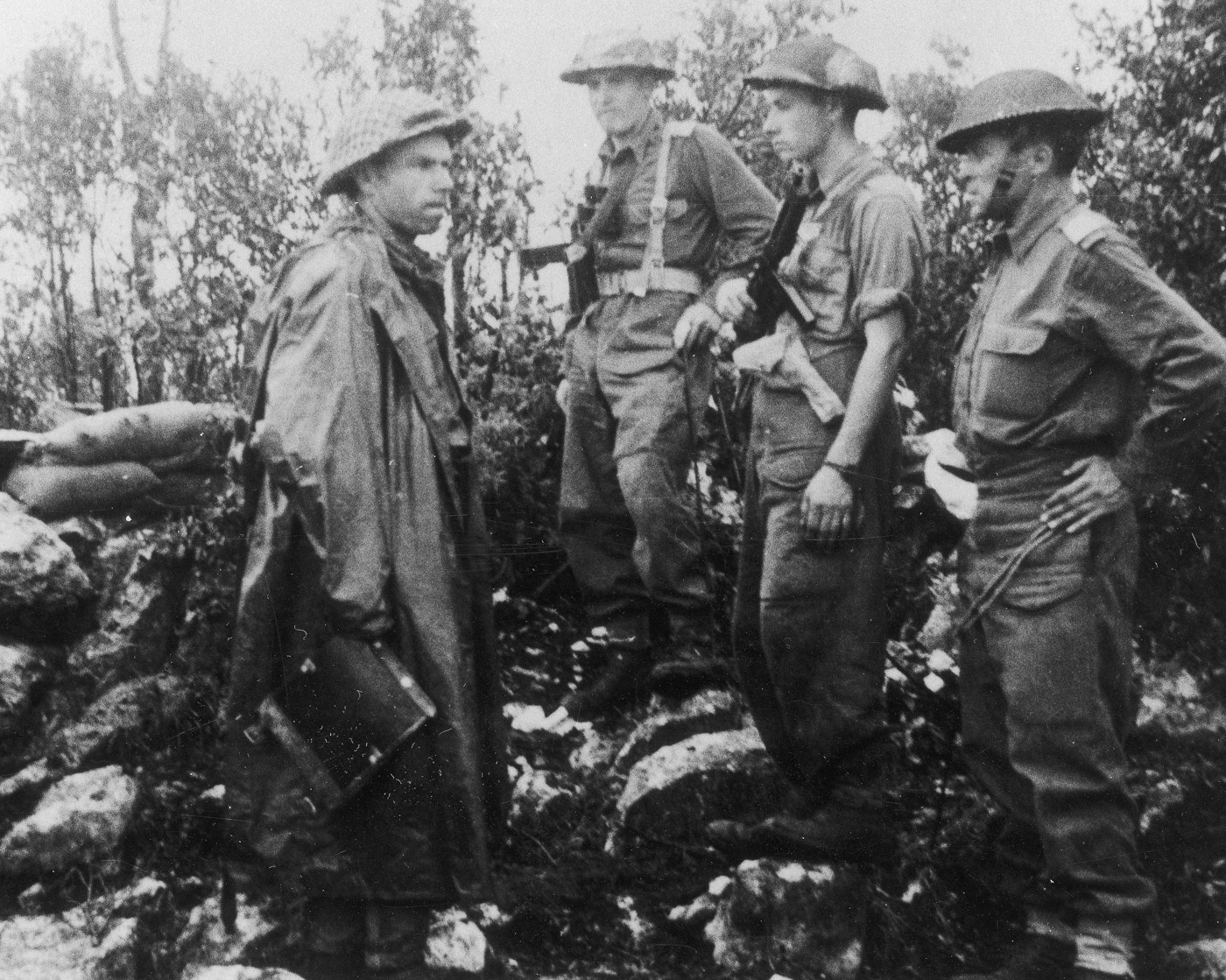
It also saw the removal of the Cutts compensator, as it was determined the heavy muzzle brake offered little real-world benefit for the .45 ACP, as troops were trained to fire in short, easily controlled bursts.
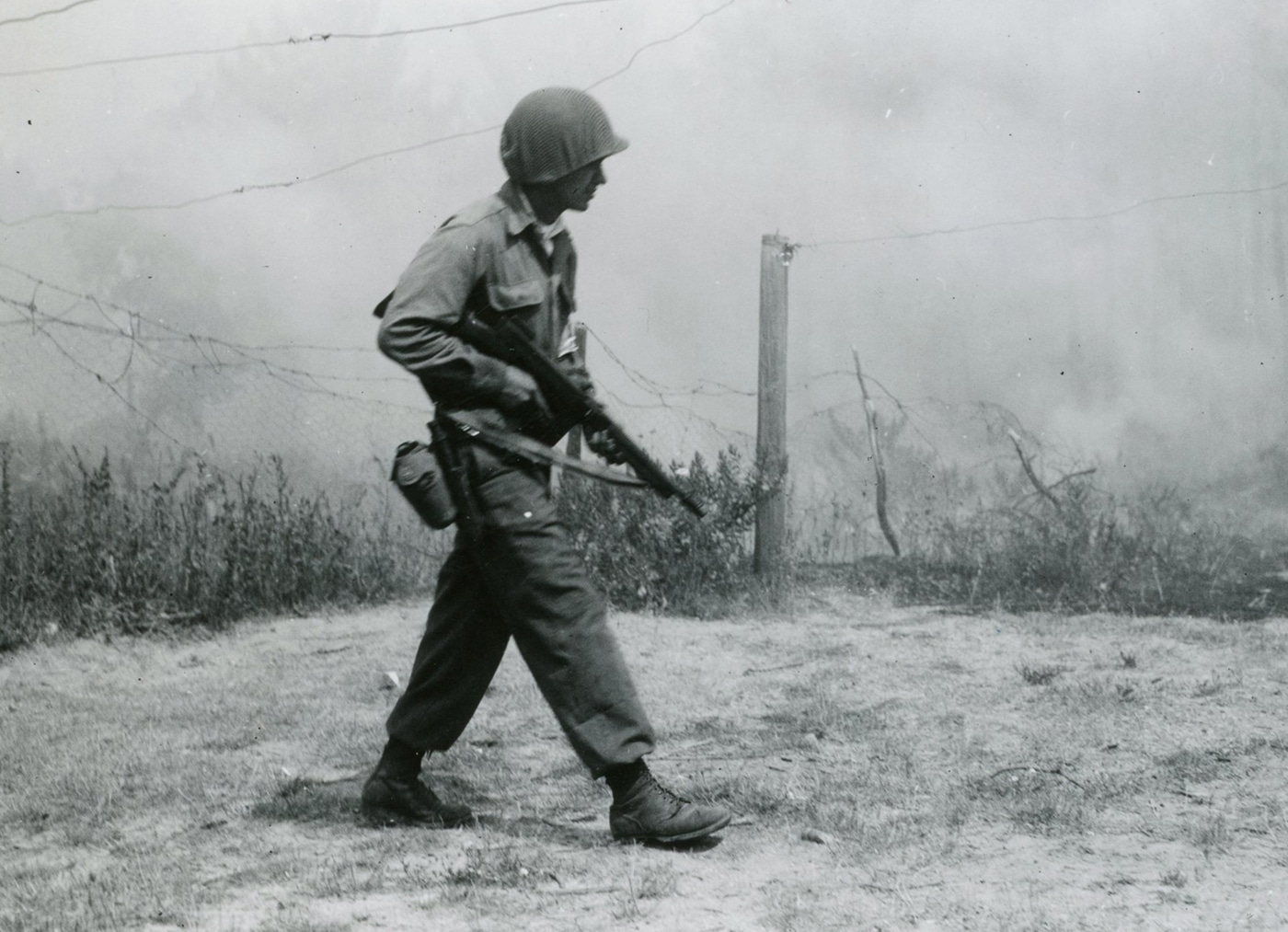
The firearm was further refined with the M1A1, which also replaced the floating firing pin in a bolt with a fixed, protruding firing pin that was meant to further reduce manufacturing time. Both the M1 and M1A1 models also replaced the highly machined, adjustable Lyman rear sight with a simple fixed ‘L’ aperture battle sight. Some M1928A1 models were equipped with that sight as well.
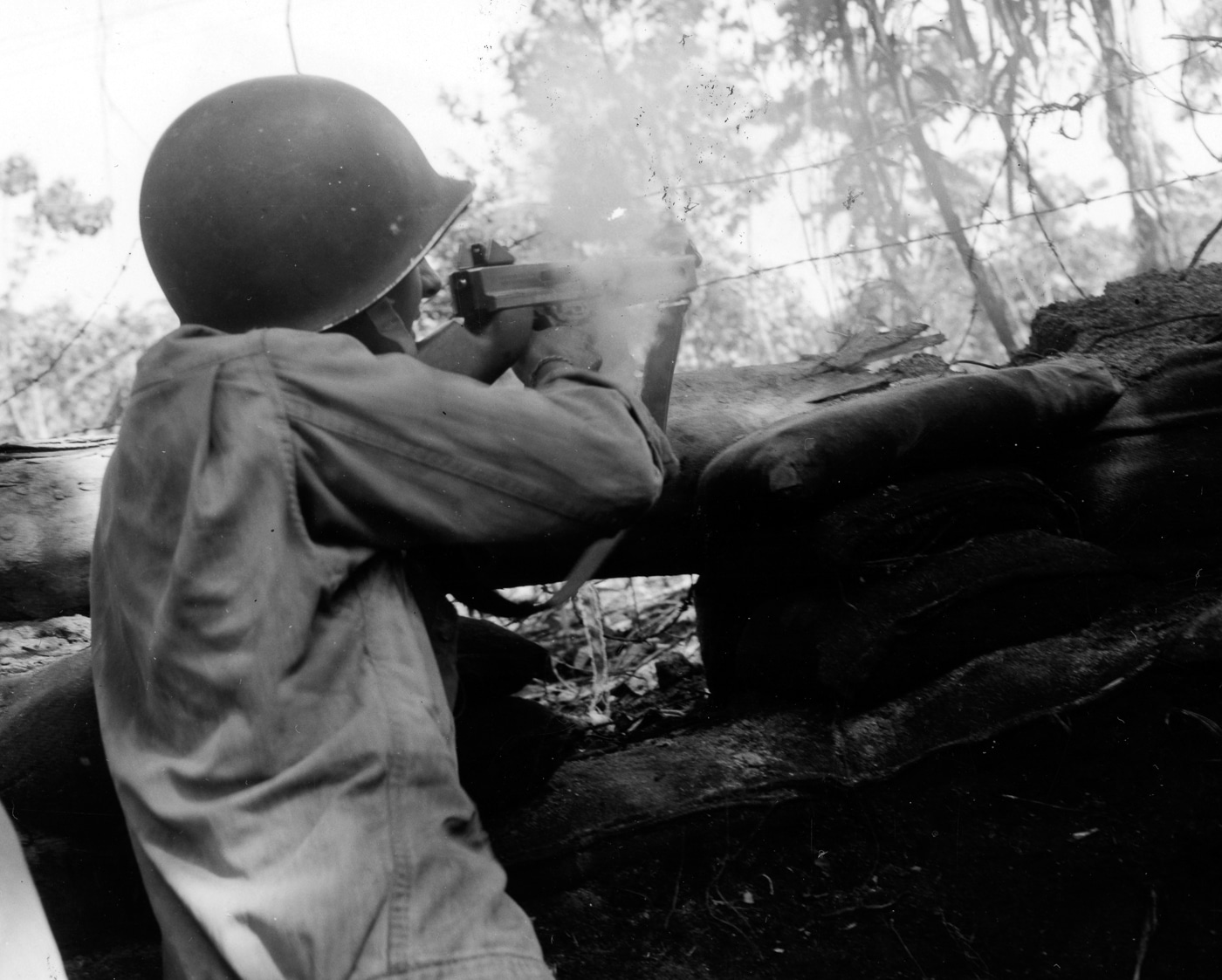
Unlike the M1928/1928A1 models, the M1 series relied exclusively on 20- or 30-round stick magazines as the feed ramp was modified.
Even as the Thompson M1/M1A1 was seen as an effective firearm on the frontlines, its cost was still too high for the military’s bean counters, with each costing around $45 to produce. The cost, along with production delays, resulted in the U.S. military developing the M3/M3A1 SMG, which cost between $15 and $20 each.
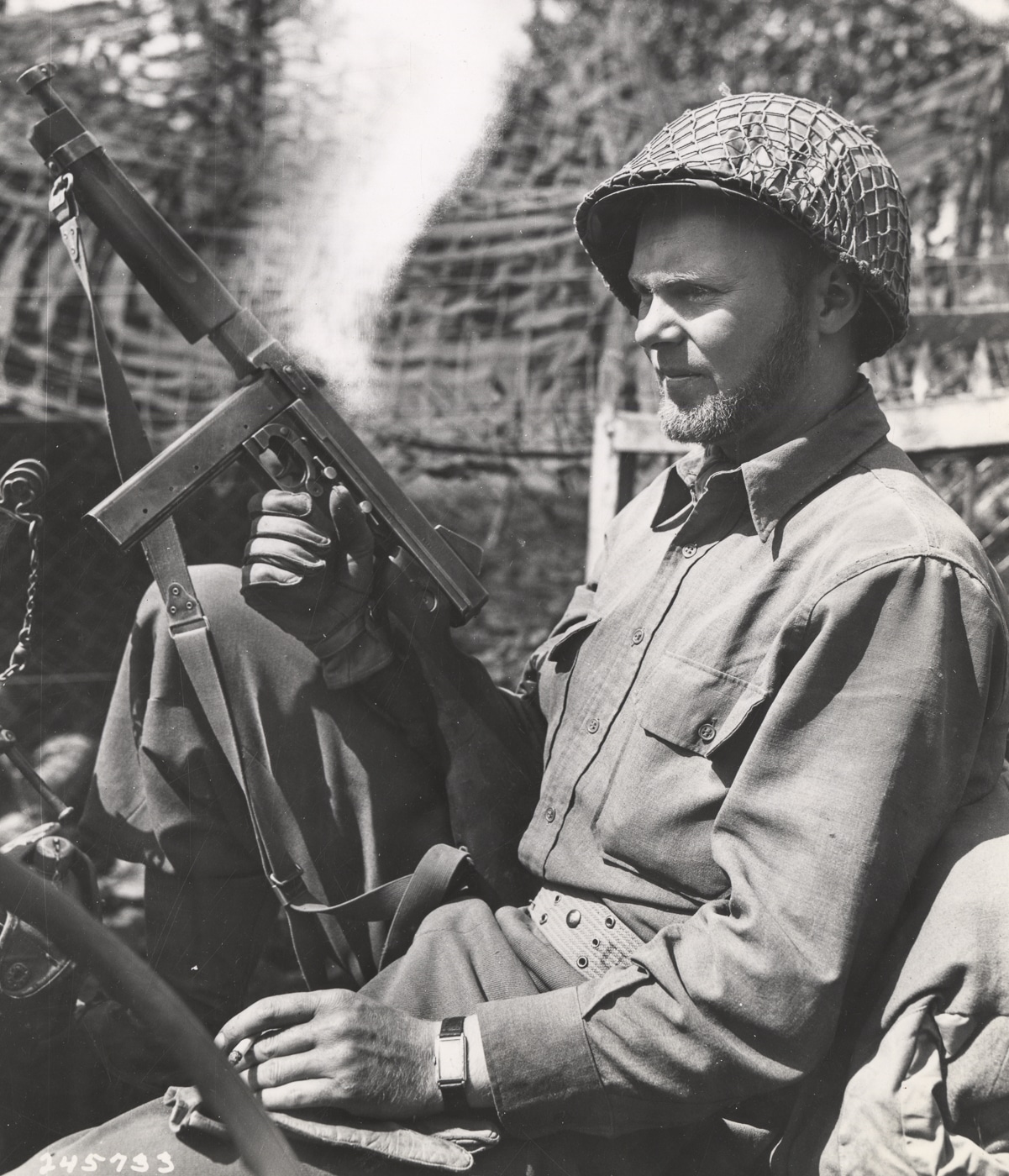
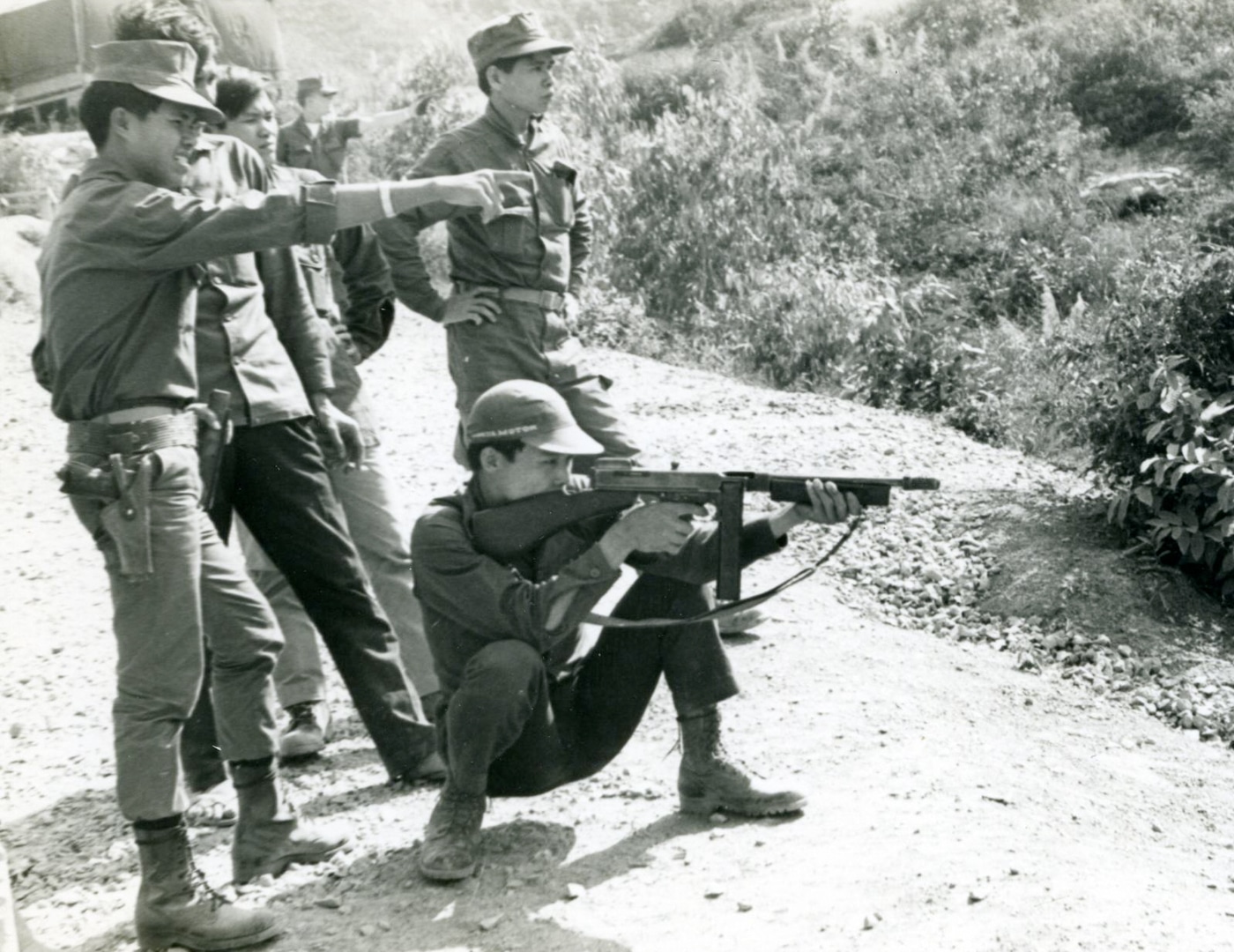
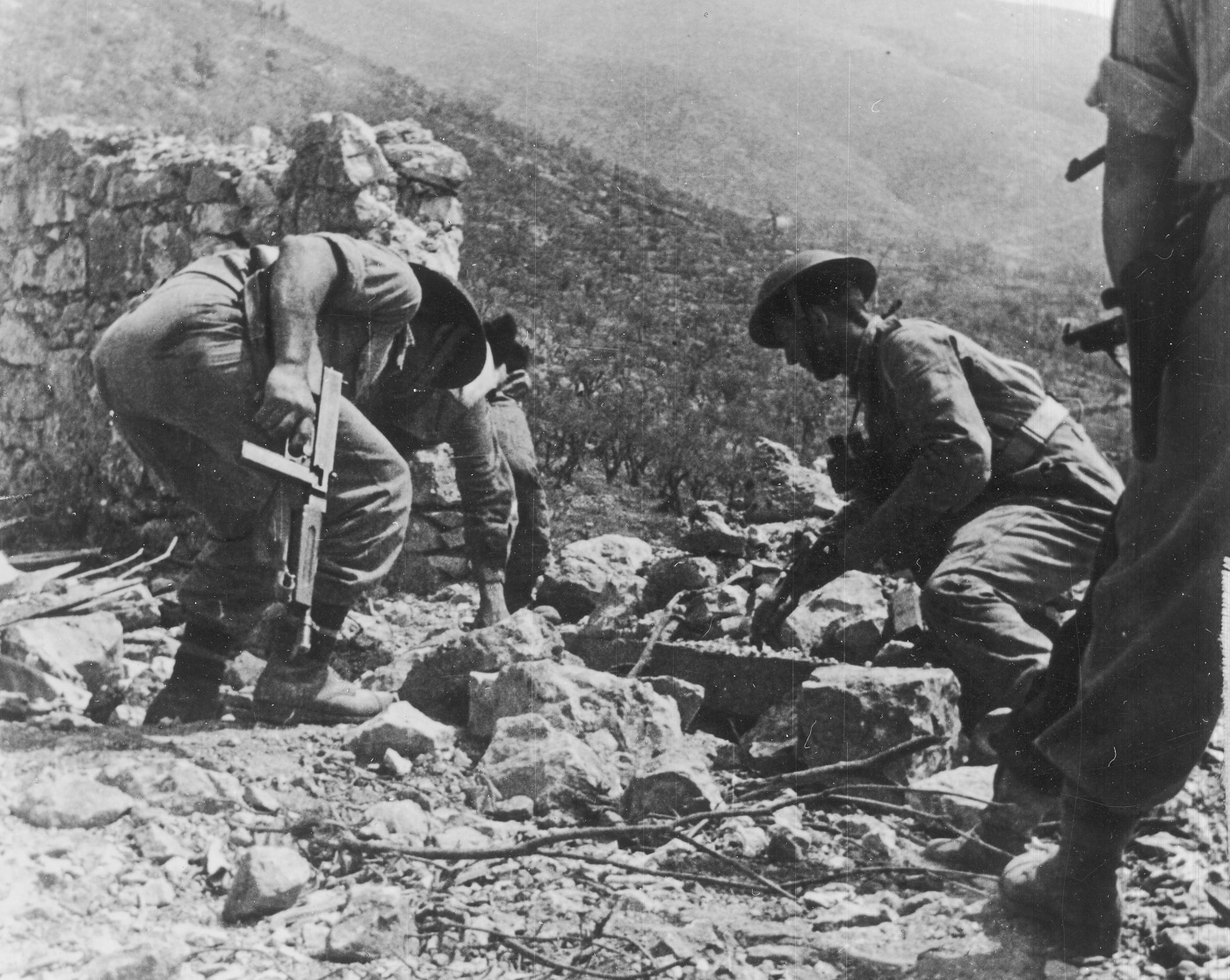
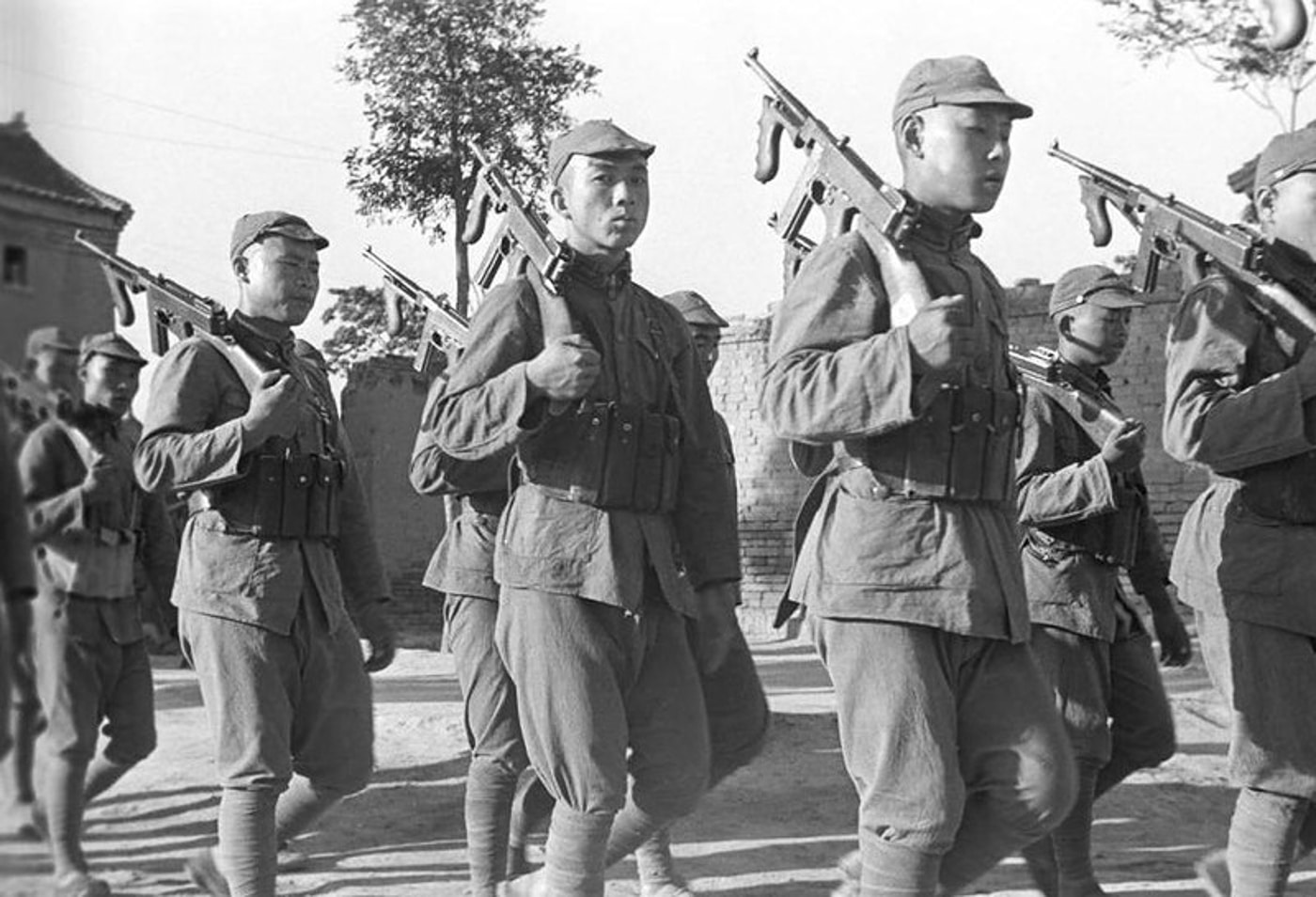
After the Second World War, the Thompsons in all varieties found use in subsequent conflicts around the globe, including the Chinese Civil War, the Greek Civil War, and the Arab-Israeli Wars. The Thompson remained in use with the U.S. military in the Korean War, and even in a limited capacity in Vietnam and Southeast East Asia in the late 1960s.
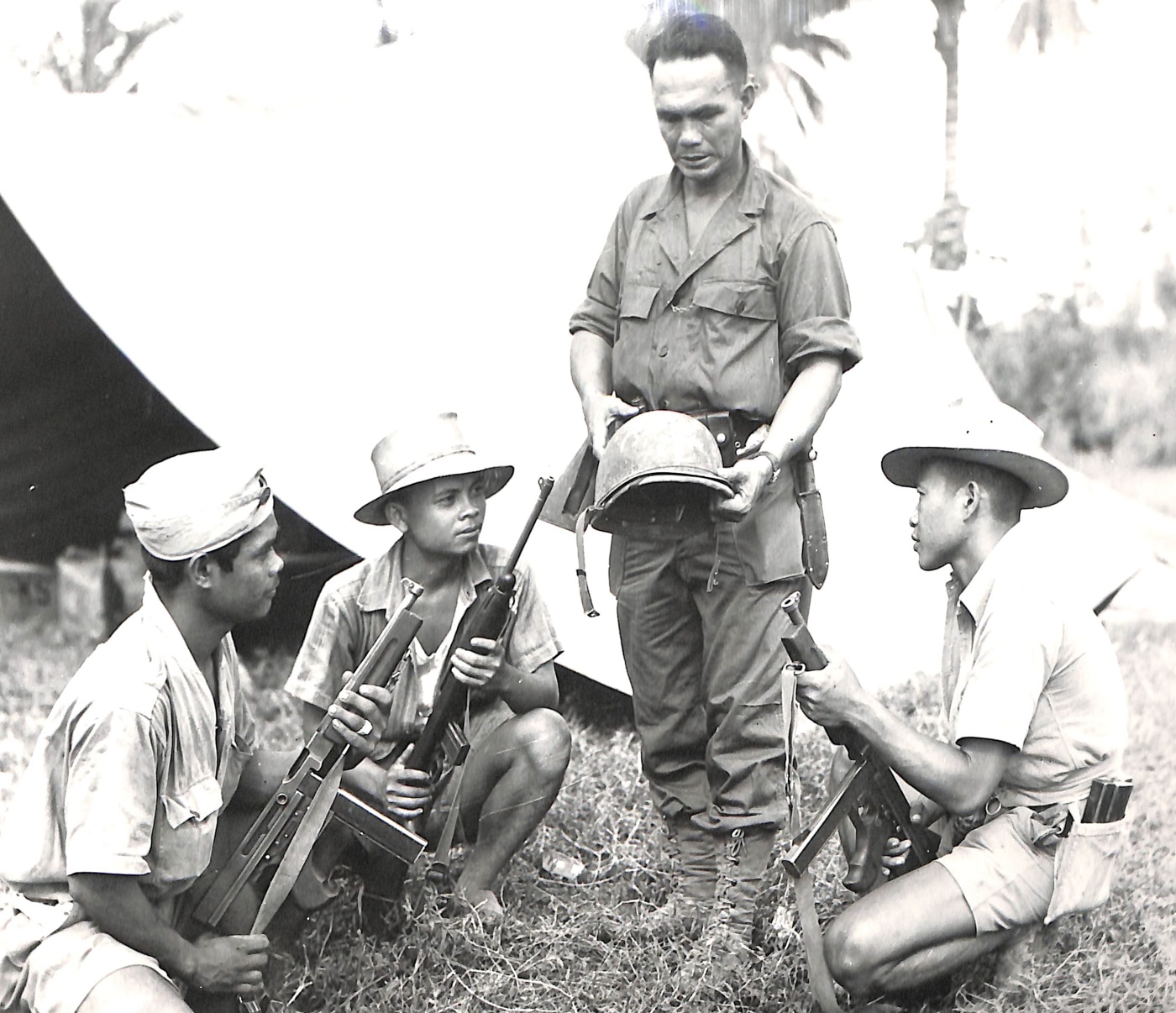
John Thompson died on June 21, 1940. Although he didn’t live to see the firearm he conceived be used to liberate Europe and the Pacific, the Allies were already adopting it. More than a century after it was introduced, the “Tommy Gun” remains so iconic that even people who don’t know firearms have heard of it.
That’s a truly lasting legacy.
Editor’s Note: Please be sure to check out The Armory Life Forum, where you can comment about our daily articles, as well as just talk guns and gear. Click the “Go To Forum Thread” link below to jump in and discuss this article and much more!
The post The Thompson Submachine Gun appeared first on The Armory Life.