Trump Administration Cuts Red Tape Blocking American Suppressor Exports
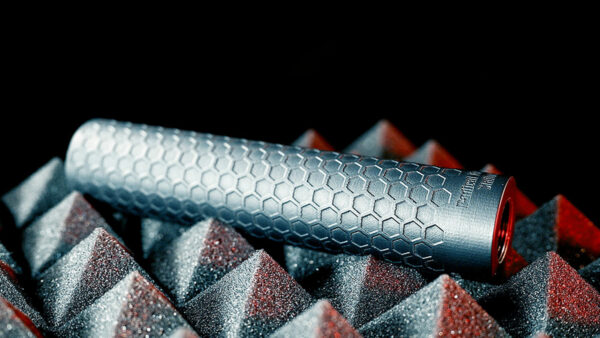
The Trump administration has taken another meaningful step toward treating firearm suppressors like what gun owners have always known them to be: ordinary firearm accessories that reduce dangerous noise, recoil and muzzle blast.
Two coordinated interim final rules will transfer export jurisdiction over certain suppressors from the State Department to the Commerce Department. The change applies to suppressors intended for non-automatic and semiautomatic rifles, pistols and shotguns. Most of the new provisions take effect on November 20, 2026.
The American Suppressor Association, which has pushed for the reform for more than a decade, says the change will give American manufacturers a better opportunity to compete in established foreign commercial markets. It may also make it easier for American hunters to travel internationally with suppressors for lawful sporting use.
That is good news for American gun owners, hunters and the domestic suppressor industry.
Suppressors Move Out of Military Export System
Suppressors covered by the change have remained on the State Department’s U.S. Munitions List and subject to the International Traffic in Arms Regulations, commonly known as ITAR.
That system is intended to control the export of military equipment and other defense-related articles. Treating commercially manufactured suppressors for ordinary rifles and handguns as though they were exotic military technology created an unnecessary regulatory obstacle for American businesses.
In 2020, the federal government transferred export jurisdiction over many non-automatic and semiautomatic firearms from the State Department to the Commerce Department. Suppressors, however, remained behind under the more restrictive State Department framework. The new rules begin correcting that inconsistency.
Suppressors removed from the Munitions List will instead be placed on the Commerce Control List and regulated under the Export Administration Regulations. The Commerce Department said the transfer will reduce the regulatory burden associated with suppressor exports while maintaining oversight based on the destination, end user, national security and foreign-policy concerns.
This does not mean suppressors can suddenly be shipped anywhere without government approval. Many exports, reexports and foreign transfers will still require Commerce Department authorization. License applications will generally receive a case-by-case review, and restrictions will remain for prohibited countries and questionable end users.
The important change is that lawful commercial exports will no longer face the same regulatory structure used for items retained on the military-controlled Munitions List.
A Boost for American Suppressor Makers
ASA Executive Director Knox Williams called the reform a major step toward allowing American businesses to compete in “thriving, well-established international commercial markets.”
American suppressor companies manufacture some of the most advanced and durable products available anywhere. Yet federal export restrictions have made it more difficult for those businesses to sell civilian products in countries where suppressors are already accepted as practical hunting and hearing-protection equipment.
ASA argues that opening those markets could support hundreds of American jobs while giving hunters greater access to equipment that reduces their exposure to damaging impulse noise.
The Commerce Department estimates that the change will generate approximately 200 additional license applications annually. Other transactions could qualify for license exceptions or license-free treatment, depending on the product and destination.
Hunters Could Also Benefit
The rules also make qualifying suppressors eligible for the Commerce Department’s Baggage license exception.
That exception allows U.S. citizens and permanent residents to temporarily take certain firearms and related accessories abroad for legitimate hunting, sporting, scientific or personal-protection purposes. Travelers must still comply with the laws of the destination country and satisfy all other federal requirements.
For American hunters traveling overseas, that could provide a more practical avenue for bringing the same hearing-protection equipment they use at home.
Suppressors do not make firearms silent. According to ASA, they generally reduce a gunshot by approximately 20 to 35 decibels—roughly comparable to the reduction offered by conventional earplugs or earmuffs. They reduce hazardous noise, but they do not eliminate the report of a firearm.
The federal government’s continued treatment of suppressors as heavily restricted National Firearms Act items at home remains difficult to justify. Still, moving civilian suppressors out of a military-oriented export system represents real progress.
Washington is finally acknowledging in export policy that suppressors are legitimate commercial products, useful hunting accessories and valuable hearing-protection tools.
The same common-sense recognition should eventually guide federal suppressor policy here at home.
About Duncan Johnson:
Duncan Johnson is a lifelong firearms enthusiast and unwavering defender of the Second Amendment—where “shall not be infringed” means exactly what it says. A graduate of George Mason University, he enjoys competing in local USPSA and multi-gun competitions whenever he’s not covering the latest in gun rights and firearm policy. Duncan is a regular contributor to AmmoLand News and serves as part of the editorial team responsible for AmmoLand’s daily gun-rights reporting and industry coverage.